ASUS TUF Gaming TUF507ZC4-HN231 RAM upgrade specifications




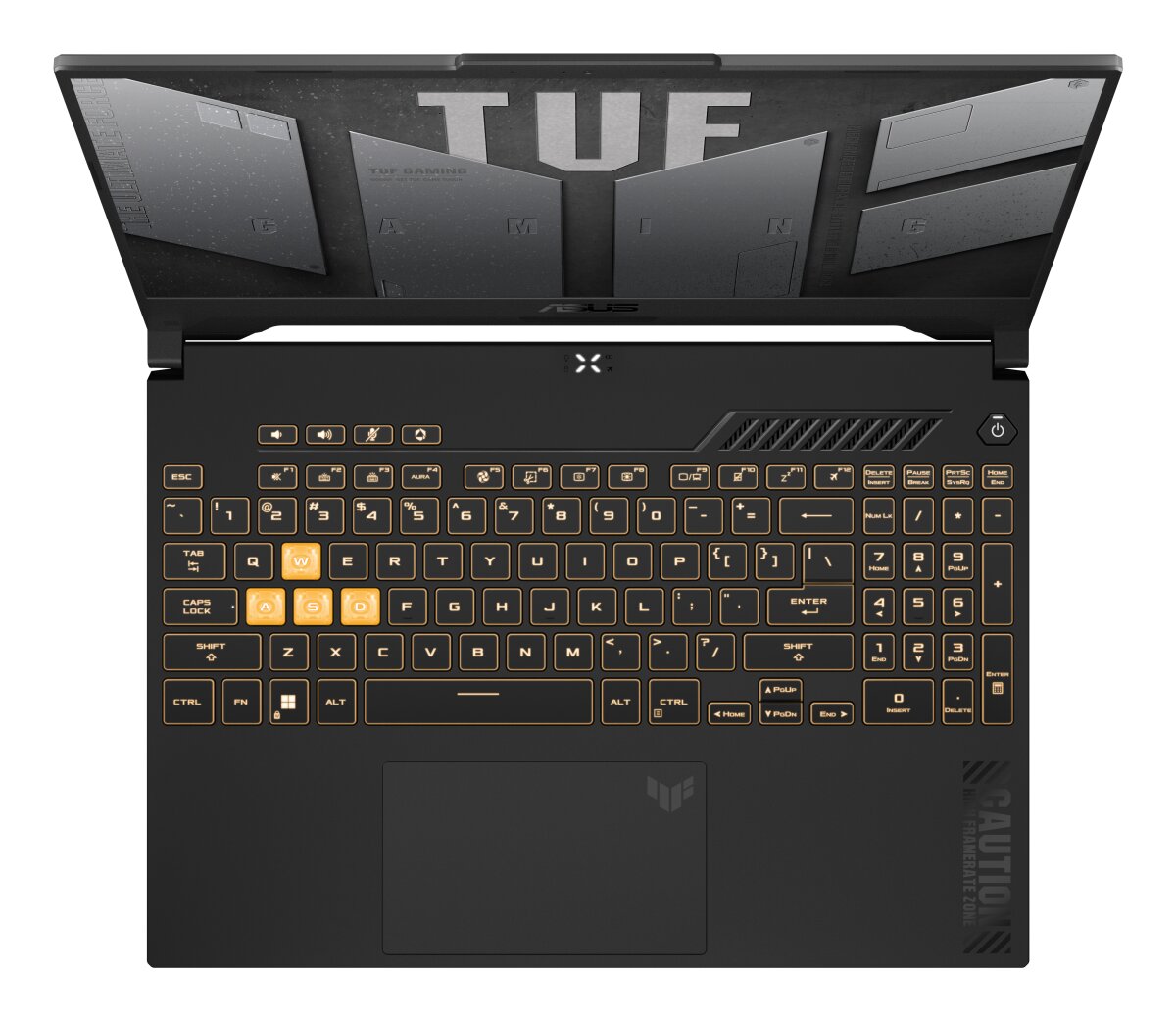
The ASUS TUF Gaming F15 series model TUF507ZC4-HN231 features DDR4-SDRAM memory upgrade specifications. The laptop contains 2x SO-DIMM memory slots supporting a maximum RAM capacity of 32 GB total. Compatible memory modules operate at 3200 MHz frequency and utilize SO-DIMM form factor. The upgrade specifications enable users to expand the laptop's memory capacity for enhanced multitasking and performance capabilities.
Memory Upgrade Specifications
| Specification | Value |
|---|---|
| Memory slots | 2x SO-DIMM |
| Form factor | SO-DIMM |
| Memory type | DDR4-SDRAM |
| Frequency | 3200 MHz |
| Maximum RAM | 32 GB |
| Voltage | 1.2V |
| Number of pins | 260-pin |
| Interface | PC4 |
| PC Speed Rating | PC4-3200 (PC4-25600) |
| Bandwidth | 25.6 GB/s |
Additional Notes
- The 32 GB ceiling reflects chipset-level addressing limitations rather than slot capacity, preventing future expansion beyond this threshold regardless of module availability.
- The 3200 MHz specification requires JEDEC-compliant modules, as XMP-profiled memory may default to lower speeds or cause POST failures in laptop implementations.
- SO-DIMM modules operating at 3200 MHz demand stricter voltage tolerances (1.2V ±5%) than desktop DIMMs, with deviations potentially triggering thermal throttling in confined chassis designs.
- Dual-channel population across both slots enables full memory bandwidth utilization, whereas single-module configurations halve throughput to 25.6 GB/s regardless of capacity.
- DDR4-3200 represents the native speed ceiling for this platform, making advertised higher-frequency modules redundant as they will downclock to match system limitations.
- Non-ECC unbuffered modules are mandatory for this consumer-grade system, as registered or error-correcting variants create incompatibility at the BIOS level.
- The ASUS TUF Gaming TUF507ZC4-HN231 restricts mixing module densities (8 GB with 16 GB) due to rank asymmetry issues that destabilize memory training algorithms during initialization.
- Ambient operating temperatures above 35°C compress the thermal headroom for sustained 3200 MHz operation, potentially forcing automatic speed reduction to maintain stability.
- Aftermarket modules must match CAS latency specifications to prevent asynchronous timing conflicts, with CL22 being the standard baseline for DDR4-3200 SO-DIMMs.
- Bottom-panel access typically requires complete disassembly rather than dedicated service doors, transforming RAM upgrades into warranty-sensitive procedures if seals are present.