ASUS TUF Gaming TUF566HM-HN012T RAM upgrade specifications
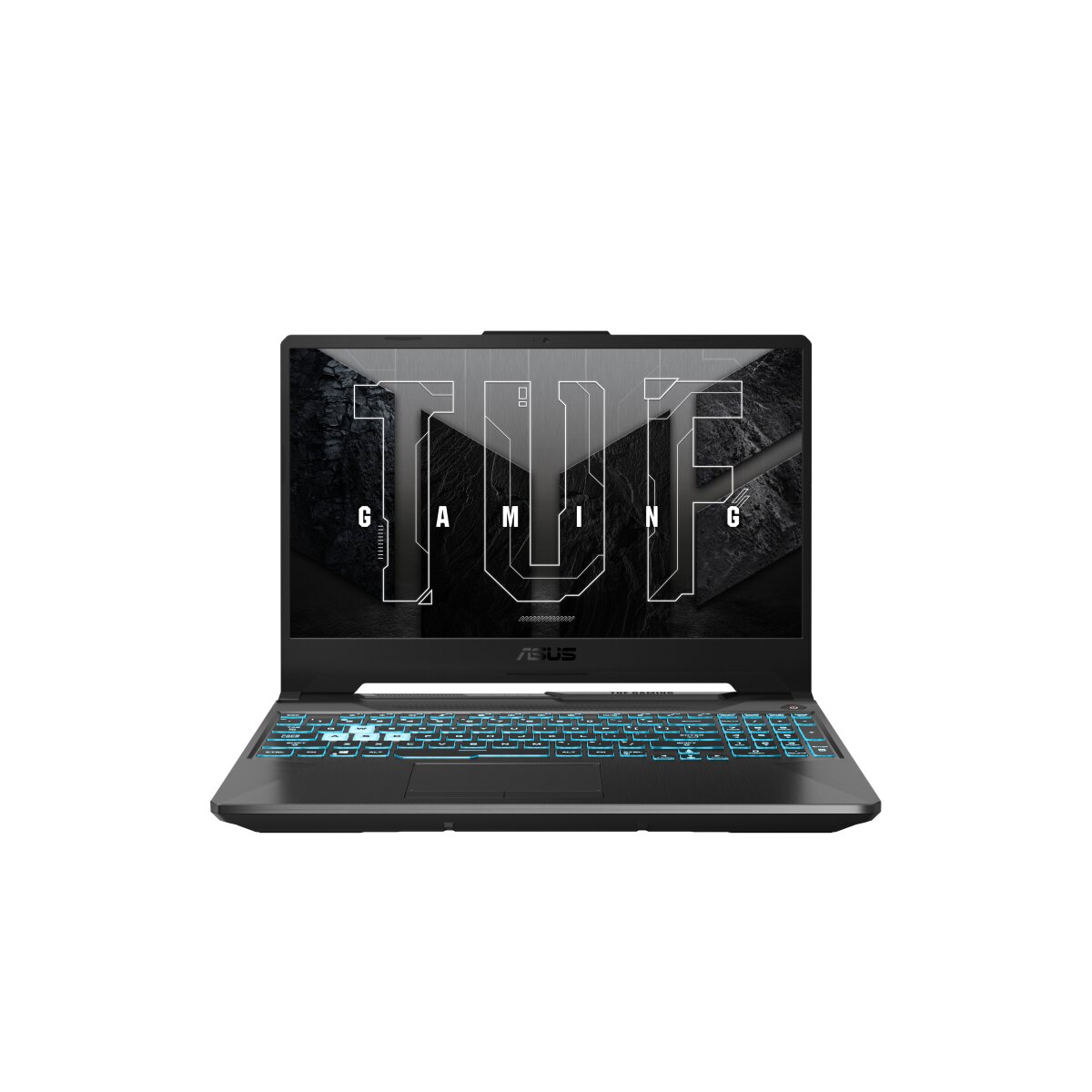

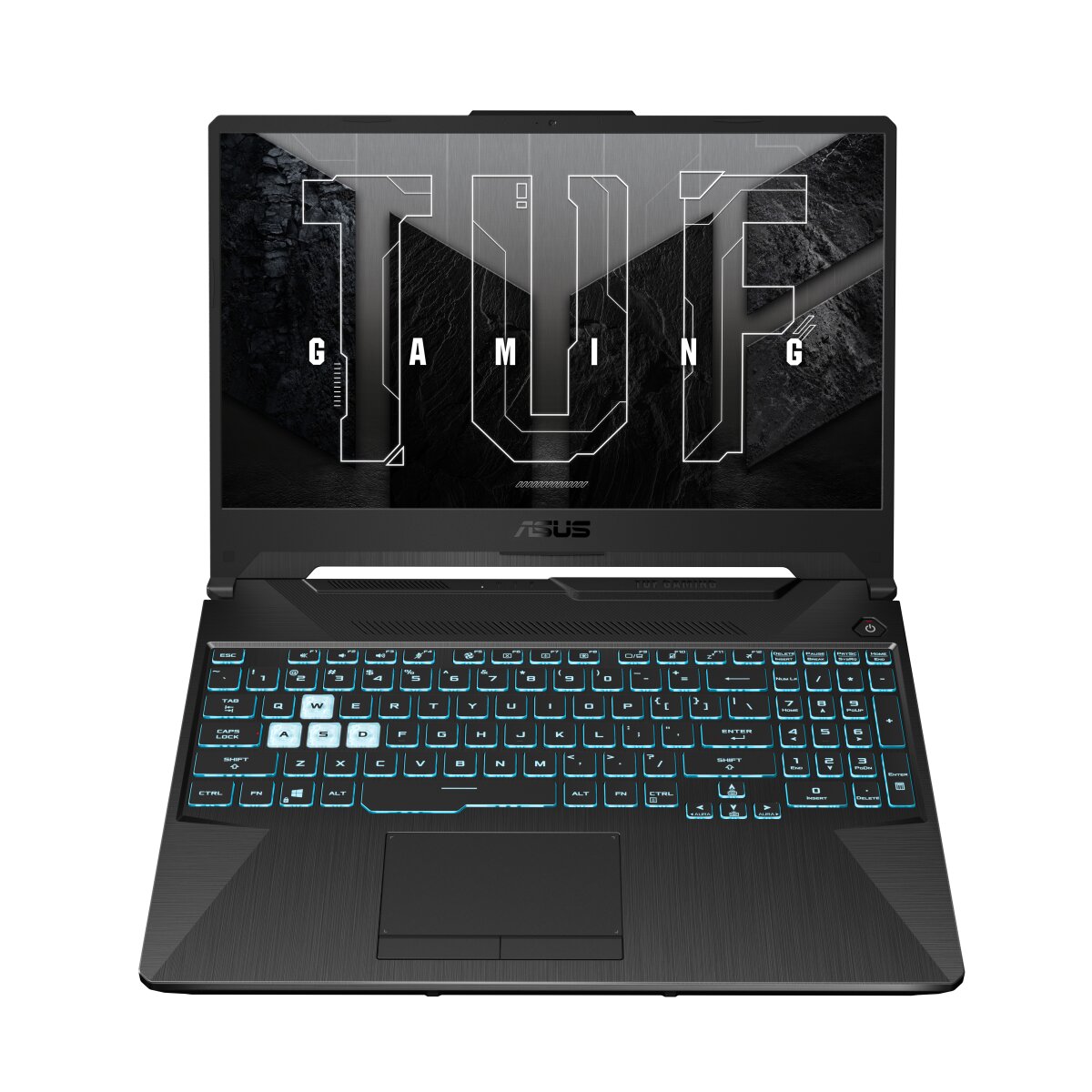
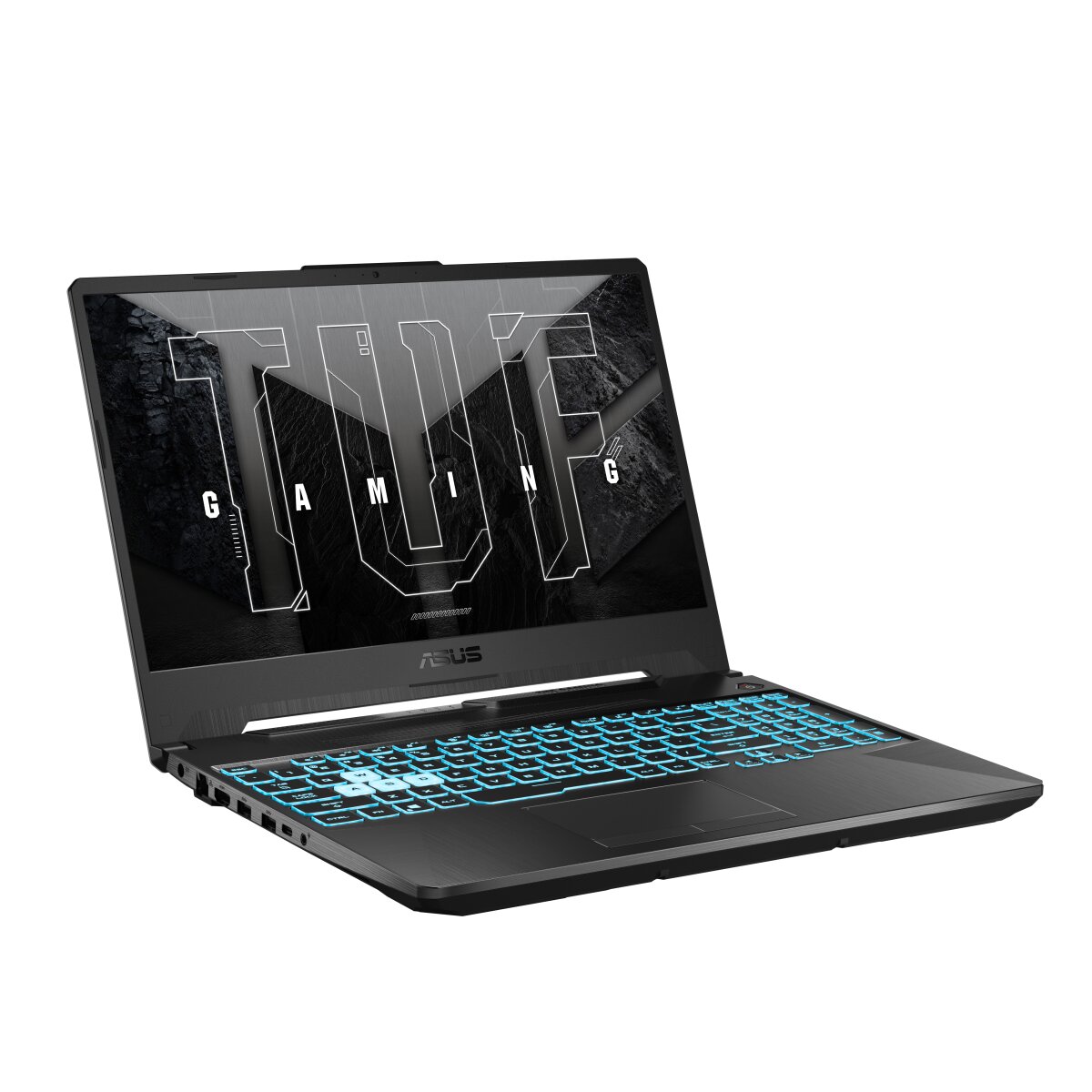
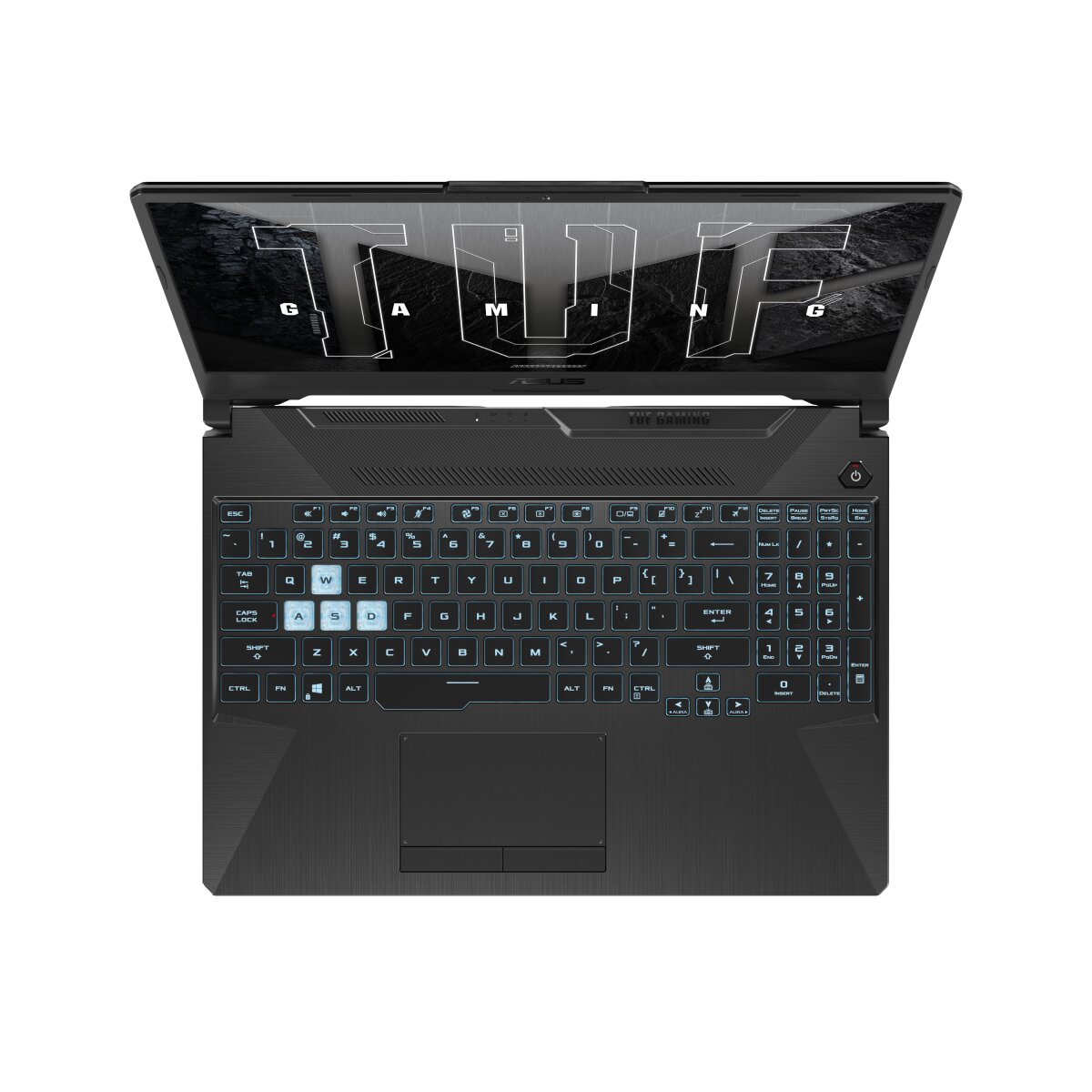
The ASUS TUF Gaming F15 series model TUF566HM-HN012T features DDR4-SDRAM memory configuration with two SO-DIMM slots. Maximum supported RAM capacity reaches 32 GB total. Memory operates at 3200 MHz frequency. Upgrade specifications indicate compatibility with standard SO-DIMM form factor modules. Existing slots accommodate RAM expansion to maximum capacity of 32 GB.
Memory Upgrade Specifications
| Specification | Value |
|---|---|
| Memory slots | 2x SO-DIMM |
| Form factor | SO-DIMM |
| Memory type | DDR4-SDRAM |
| Frequency | 3200 MHz |
| Maximum RAM | 32 GB |
| Voltage | 1.2V |
| Number of pins | 260-pin |
| Interface | PC4 |
| PC Speed Rating | PC4-3200 (PC4-25600) |
| Bandwidth | 25.6 GB/s |
| Laptop Release date | 09 December 2021 |
Additional Notes
- Dual channel memory architecture requires matching modules in both slots to maximize memory controller bandwidth for gaming and rendering tasks.
- The absence of soldered memory on the ASUS TUF566HM-HN012T motherboard ensures that both physical modules can be replaced if a chip failure occurs outside of the standard warranty period.
- The internal layout utilizes the SO-DIMM form factor which necessitates the use of unbuffered non-ECC modules to maintain system stability and POST compatibility.
- Upgrading beyond the 32 GB threshold is restricted by the hardware abstraction layer or BIOS limitations despite the theoretical capacity of the mobile processor architecture.
- Mixed frequency installations will result in the memory controller downclocking to the lowest common denominator to maintain synchronization across the bus.
- Accessing the internal memory slots requires the removal of the bottom chassis panel which may involve a captive screw system designed to prevent hardware loss during maintenance.
- Latency timings should be matched between the two integrated circuits to prevent timing discrepancies that cause intermittent system crashes or blue screen errors.
- Thermal management within the compact chassis relies on the passive cooling of the RAM modules through internal airflow as these slots lack dedicated heat spreaders.