ASUS TUF Gaming TUF566HM-HN134 RAM upgrade specifications
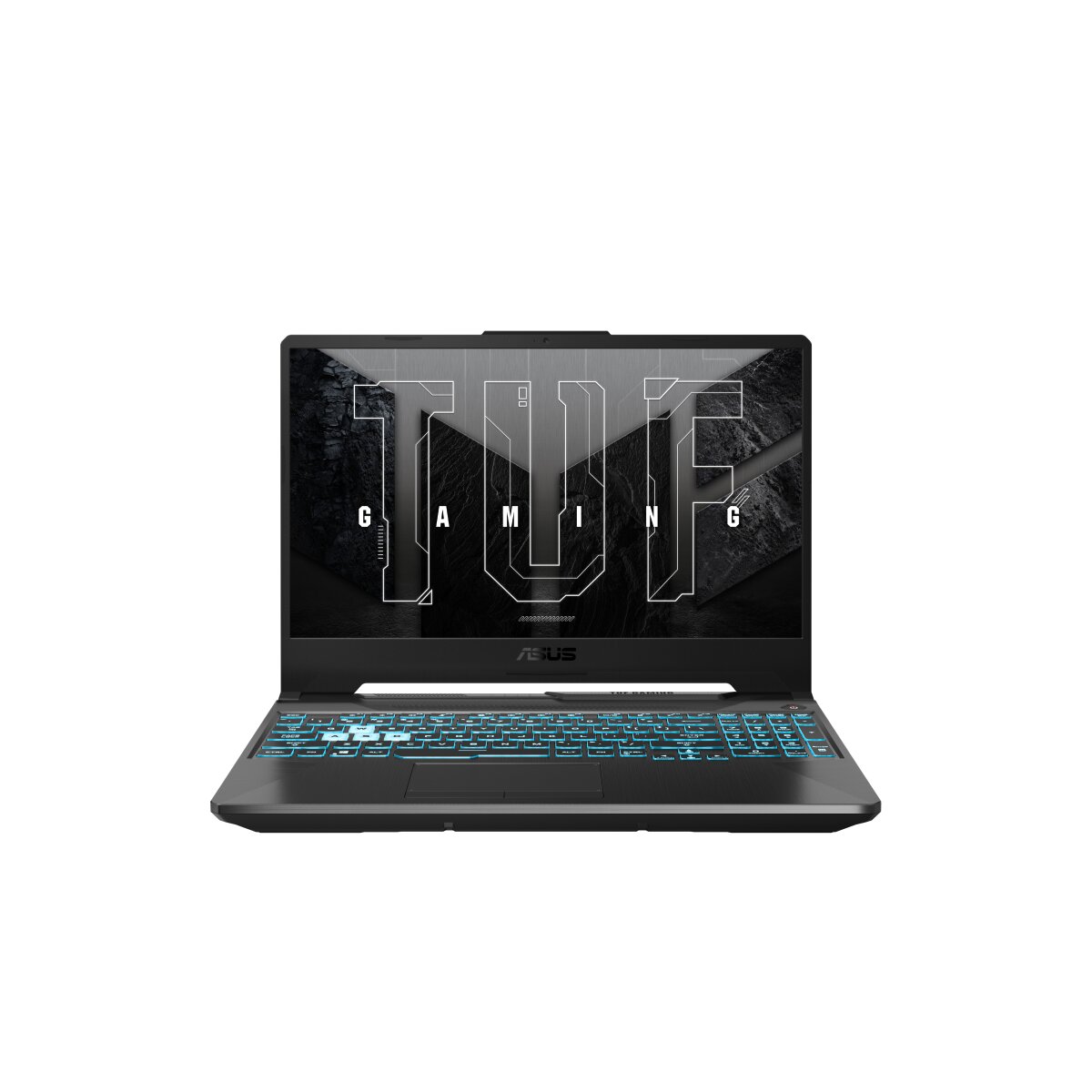



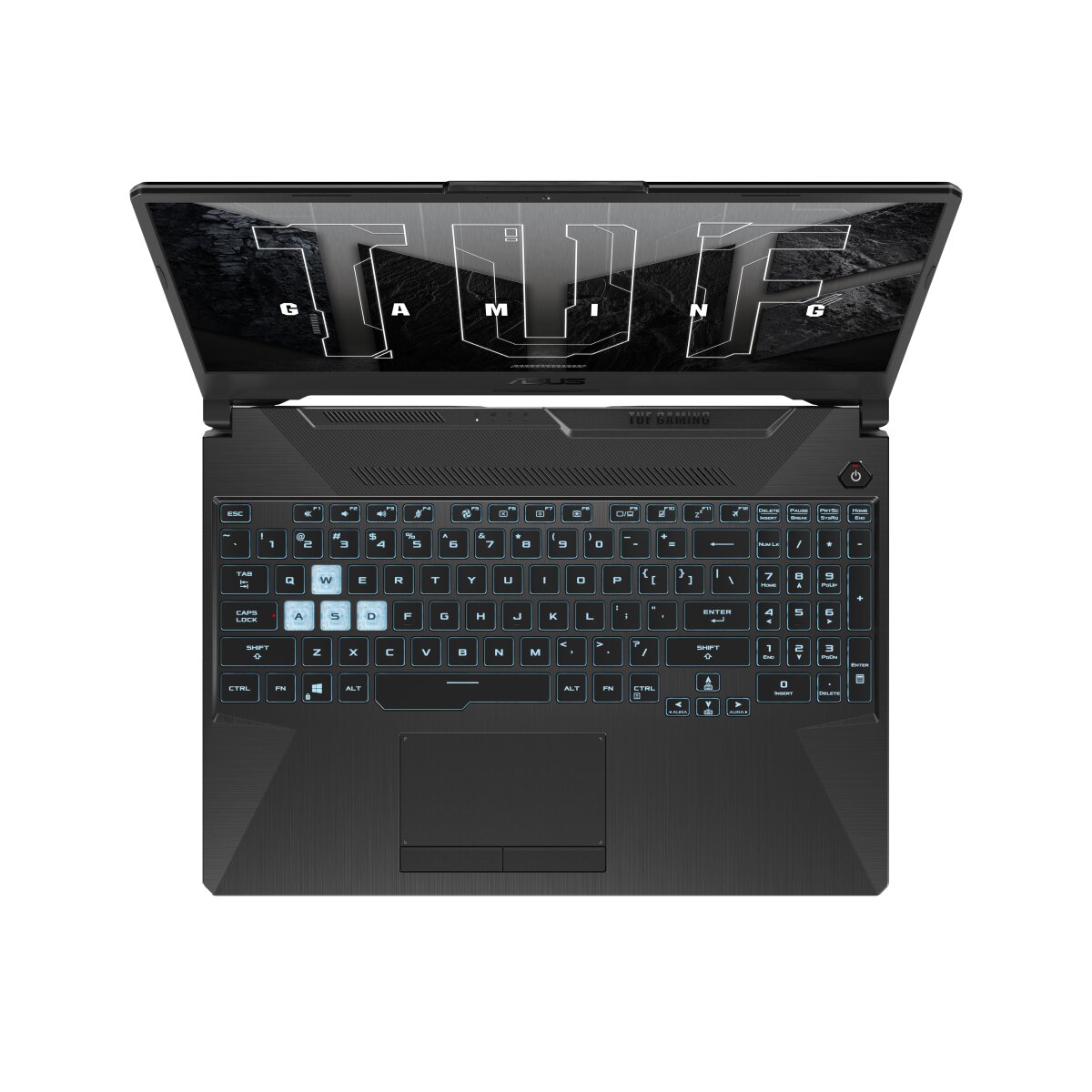
ASUS TUF Gaming F15 series model TUF566HM-HN134 supports DDR4-SDRAM memory upgrades with maximum capacity of 32 GB. Laptop features 2x SO-DIMM slots for memory expansion. Compatible RAM specifications include DDR4 modules operating at 3200 MHz frequency. Memory form factor requires SO-DIMM standard configuration. Upgrade compatibility limited to DDR4-SDRAM technology on designated slots.
Memory Upgrade Specifications
| Specification | Value |
|---|---|
| Memory slots | 2x SO-DIMM |
| Form factor | SO-DIMM |
| Memory type | DDR4-SDRAM |
| Frequency | 3200 MHz |
| Maximum RAM | 32 GB |
| Voltage | 1.2V |
| Number of pins | 260-pin |
| Interface | PC4 |
| PC Speed Rating | PC4-3200 (PC4-25600) |
| Bandwidth | 25.6 GB/s |
| Laptop Release date | 09 December 2021 |
Additional Notes
- The 2 SO-DIMM slots in the ASUS TUF Gaming TUF566HM-HN134 operate in dual-channel configuration, meaning paired capacity increases deliver proportional bandwidth gains rather than linear scaling. Mismatched module sizes result in the smaller capacity operating in single-channel mode on the secondary slot, creating a performance asymmetry.
- DDR4-3200 operates at a latency range of 16-22 cycles depending on module binning. Memory modules rated above 3200 MHz will downclock to 3200 MHz by default, eliminating the rationale for higher-frequency purchases and adding unnecessary cost without functional benefit.
- The 32 GB ceiling with 2 slots mandates 2x16 GB modules for maximum capacity. Single 16 GB modules paired with an 8 GB or smaller second module will leave half of the memory interface bandwidth underutilized, degrading system responsiveness during multithreaded operations.
- SO-DIMM modules have lower thermal mass than full-size DIMMs. Replacement modules without adequate heat spreaders may throttle performance under sustained loads exceeding 50 watts aggregate, particularly in confined chassis environments typical of 15-inch gaming laptops.
- Warranty coverage typically remains intact for SO-DIMM replacements when performed by the end user. However, mixing original equipment manufacturer modules with third-party alternatives creates compatibility documentation gaps; purchasing identical part numbers eliminates ambiguity during warranty claims.
- The memory controller resides on the CPU die. Frequency mismatches between installed modules and the processor's rated memory support can trigger BIOS failsafes that lock all memory to 2400 MHz, resulting in a 25-percent bandwidth reduction versus specification.