ASUS TUF Gaming FX607JV-QT115W RAM upgrade specifications




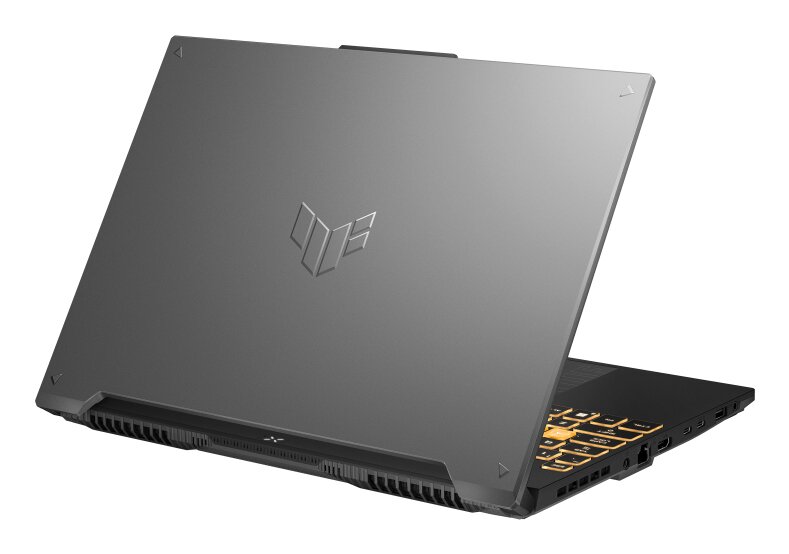
The ASUS TUF Gaming F16 FX607JV-QT115W laptop features DDR5-SDRAM memory specifications with two SO-DIMM slots available for upgrade. Maximum supported RAM capacity reaches 32 GB total, with compatible modules operating at 4800 MHz frequency. The memory upgrade slots accommodate standard SO-DIMM form factor RAM modules. Specifications indicate DDR5 memory technology compatibility for enhanced performance in the FX607JV-QT115W model. Current and maximum memory configurations utilize the dual SO-DIMM slot architecture, allowing for modular RAM expansion within the 32 GB ceiling.
Memory Upgrade Specifications
| Specification | Value |
|---|---|
| Memory slots | 2x SO-DIMM |
| Form factor | SO-DIMM |
| Memory type | DDR5-SDRAM |
| Frequency | 4800 MHz |
| Maximum RAM | 32 GB |
| Voltage | 1.1V |
| Number of pins | 262-pin |
| Interface | PC5 |
| PC Speed Rating | PC5-4800 (PC5-38400) |
| Bandwidth | 38.4 GB/s |
Additional Notes
- The ASUS TUF Gaming FX607JV-QT115W contains 2 SO-DIMM slots, restricting upgrade capacity to a single additional module since both slots must accommodate matched pairs for optimal dual-channel performance.
- DDR5-4800 memory operates at reduced latency compared to DDR4 equivalents, but the 32 GB ceiling limits scalability for workloads requiring 48 GB or higher configurations, constraining future-proofing for memory-intensive applications.
- SO-DIMM form factor requires laptop-specific memory modules rather than standard desktop DDR5 sticks, narrowing supplier options and typically increasing per-gigabyte costs relative to desktop alternatives.
- The 4800 MHz specification represents conservative DDR5 binning; replacement modules rated for 5600 MHz or higher will operate at the motherboard's 4800 MHz ceiling, eliminating performance advantages from higher-frequency parts.
- Upgrading from a single 16 GB module to dual 16 GB modules activates dual-channel architecture, substantially increasing memory bandwidth and reducing latency-dependent performance bottlenecks in gaming and content creation workflows.
- Memory upgrades on this platform typically do not void manufacturer warranty when performed by end users, though compliance with ASUS service guidelines and retention of original components remains essential for claim validity.