ASUS TUF Gaming FX607JV-N3113W RAM upgrade specifications



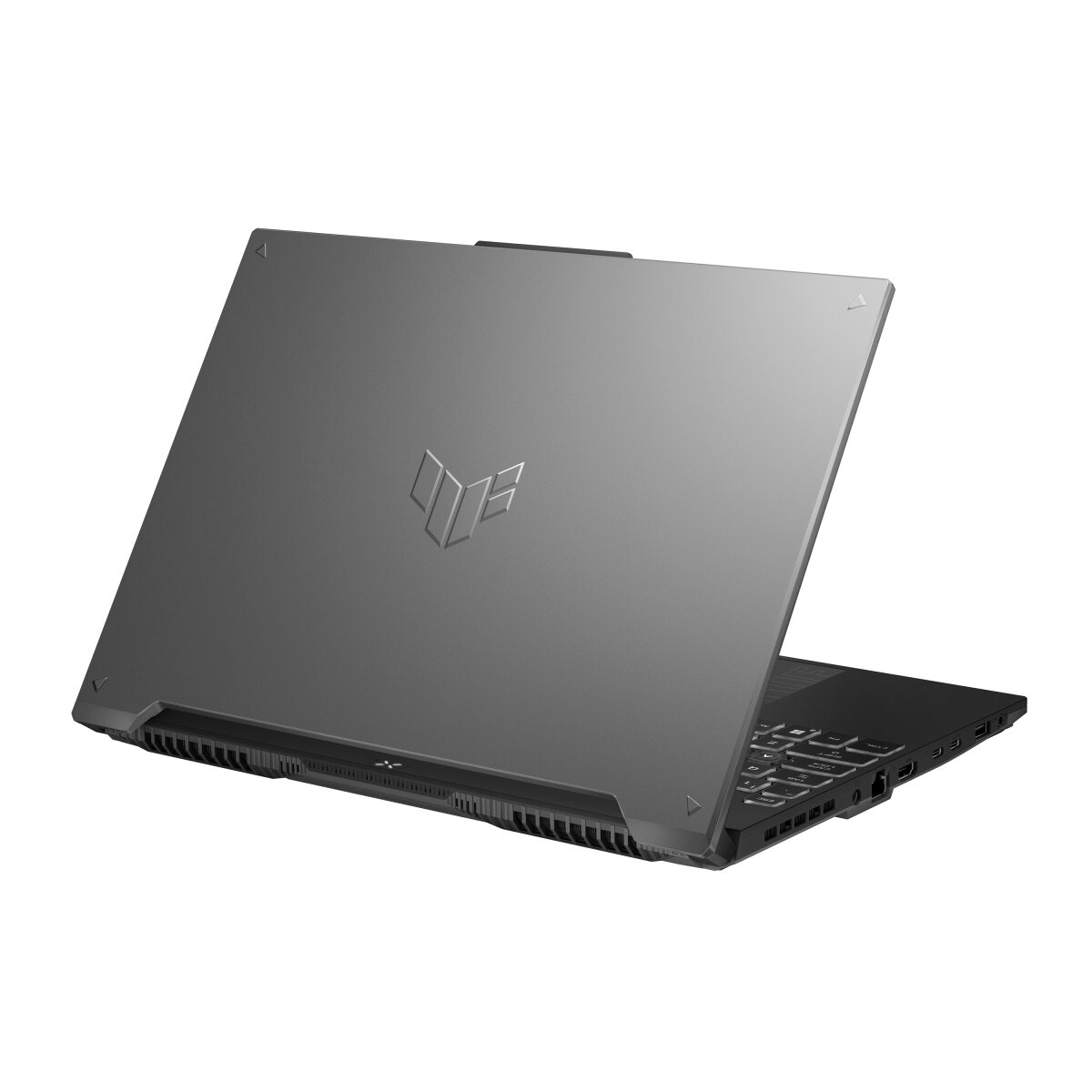

ASUS TUF Gaming F16 series model FX607JV-N3113W supports DDR5-SDRAM memory upgrades with 2x SO-DIMM slots. The laptop accommodates a maximum RAM capacity of 32 GB total, utilizing SO-DIMM form factor modules operating at 5600 MHz frequency. Compatible DDR5 memory upgrades enable enhanced multitasking performance and increased system responsiveness for gaming and demanding applications. Specifications indicate dual-slot architecture allowing for flexible memory configurations to meet individual computing requirements.
Memory Upgrade Specifications
| Specification | Value |
|---|---|
| Memory slots | 2x SO-DIMM |
| Form factor | SO-DIMM |
| Memory type | DDR5-SDRAM |
| Frequency | 5600 MHz |
| Maximum RAM | 32 GB |
| Voltage | 1.1V |
| Number of pins | 262-pin |
| Interface | PC5 |
| PC Speed Rating | PC5-5600 (PC5-44800) |
| Bandwidth | 44.8 GB/s |
Additional Notes
- DDR5-SDRAM modules operate at higher voltage than DDR4, requiring careful module selection to avoid incompatibility with the 2 SO-DIMM slots on the ASUS TUF Gaming FX607JV-N3113W.
- Asymmetric capacity configurations (mixing different GB modules) function but prevent dual-channel operation on the populated ranks, reducing memory bandwidth utilization below the 5600 MHz rated performance ceiling.
- The 32 GB maximum capacity constraint indicates a single-channel limitation per slot, meaning each SO-DIMM socket accepts 16 GB modules at maximum, not 32 GB individual modules.
- SO-DIMM form factor requires extraction of the palmrest or keyboard assembly on most TUF Gaming models, introducing risk of voiding thermal compound contact on nearby die-cast components if reinstallation torque specifications are not observed.
- 5600 MHz DDR5 modules require Intel XMP 3.0 or JEDEC profile enablement in BIOS; systems shipped with older firmware versions may default to sub-rated speeds until BIOS microcode updates are applied.
- Upgrading from factory-installed DDR5-4800 modules to 5600 MHz variants introduces latency timing variance, which may demand manual voltage adjustment (within 1.25V specification limits) to maintain stability under sustained workloads.
- Mixed DDR5 generational modules (5600 MHz paired with 4800 MHz) downclock both slots to the slower module's rated frequency, negating performance gains from the upgrade investment.