ASUS TUF Gaming FX607VU-RL142-GAMING RAM upgrade specifications
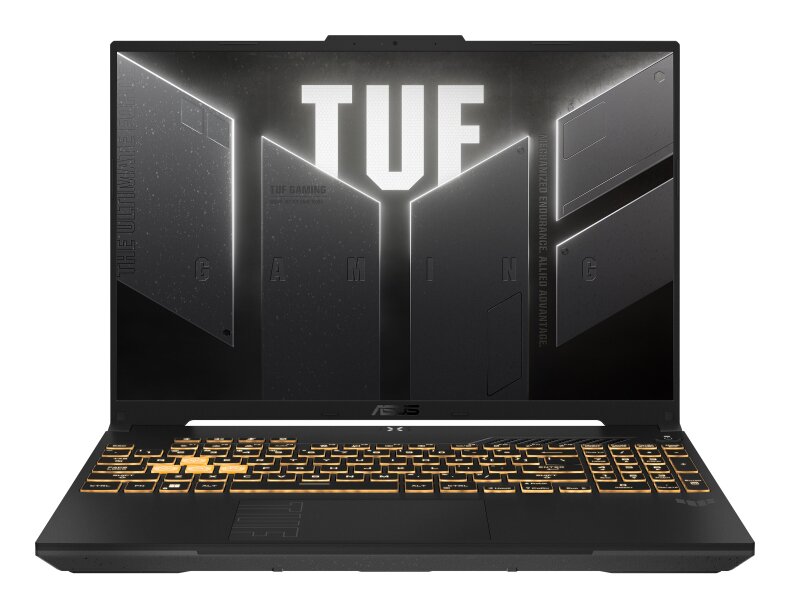
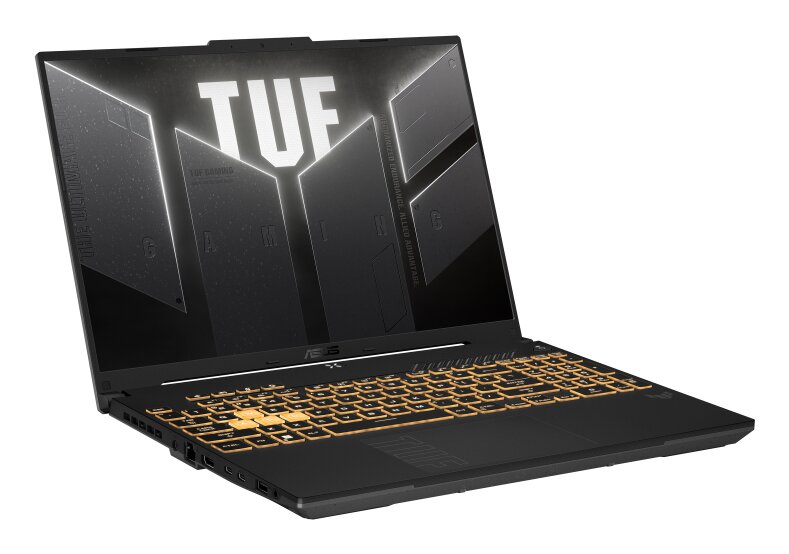
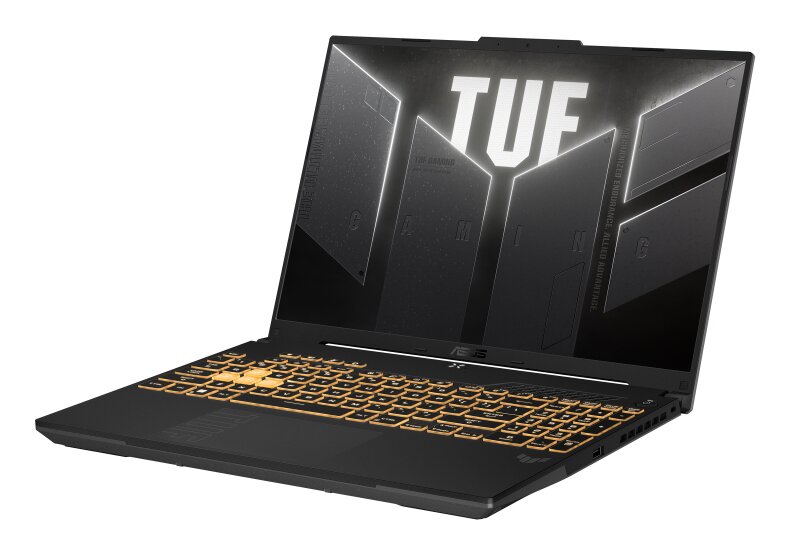
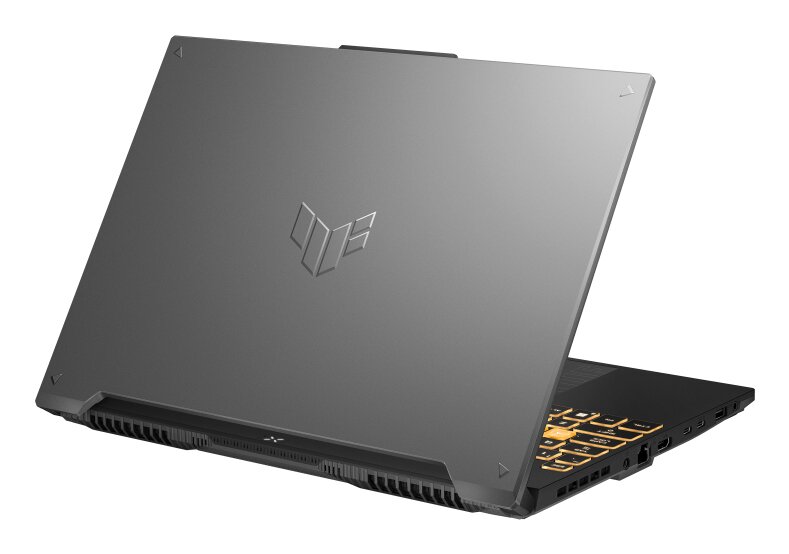
ASUS TUF Gaming F16 series model FX607VU-RL142-GAMING supports DDR5-SDRAM memory upgrades with two SO-DIMM slots. Maximum RAM capacity reaches 32 GB total, with compatible modules operating at 5200 MHz frequency. The laptop specifications allow for memory expansion through standard SO-DIMM form factor upgrades, enabling users to increase multitasking performance and productivity capabilities.
Memory Upgrade Specifications
| Specification | Value |
|---|---|
| Memory slots | 2x SO-DIMM |
| Form factor | SO-DIMM |
| Memory type | DDR5-SDRAM |
| Frequency | 5200 MHz |
| Maximum RAM | 32 GB |
| Voltage | 1.1V |
| Number of pins | 262-pin |
| Interface | PC5 |
| PC Speed Rating | PC5-5200 (PC5-41600) |
| Bandwidth | 41.6 GB/s |
Additional Notes
- The ASUS TUF Gaming FX607VU-RL142-GAMING enforces a hard 32 GB ceiling, meaning paired identical modules must not exceed 16 GB per slot to achieve maximum capacity.
- DDR5-5200 MHz operation requires SO-DIMM modules rated for 5200 MHz or higher; lower-rated DDR5 sticks will downclock to JEDEC 4800 MHz baseline, reducing bandwidth by approximately 8 percent.
- Dual-slot architecture creates asymmetrical upgrade vulnerability. Removing either module from a matched pair forces single-channel operation at half memory bandwidth until replacement occurs, degrading frame rates in memory-dependent gaming workloads.
- SO-DIMM physical constraint limits upgrade sources to laptop-grade modules only; desktop DDR5 UDIMM variants are mechanially incompatible and cannot be force-fitted without damage to connector or motherboard.
- Warranty preservation requires purchasing modules explicitly qualified for ASUS laptop platforms or certified by memory vendors for this specific model generation, as generic DDR5-5200 SO-DIMMs risk incompatibility flags during support claims.
- Single-slot expansion beyond current fill state creates immediate timing latency exposure; modules from different manufacturers or production batches may trigger SPD negotiation conflicts, forcing manual BIOS voltage and timing adjustments to stabilize.
- Memory frequency headroom exhaustion at 5200 MHz eliminates future overclocking paths; secondary timing tuning represents the only performance optimization surface available after maximum capacity installation.