ASUS TUF Gaming FX607VU-RL144-GAMING RAM upgrade specifications




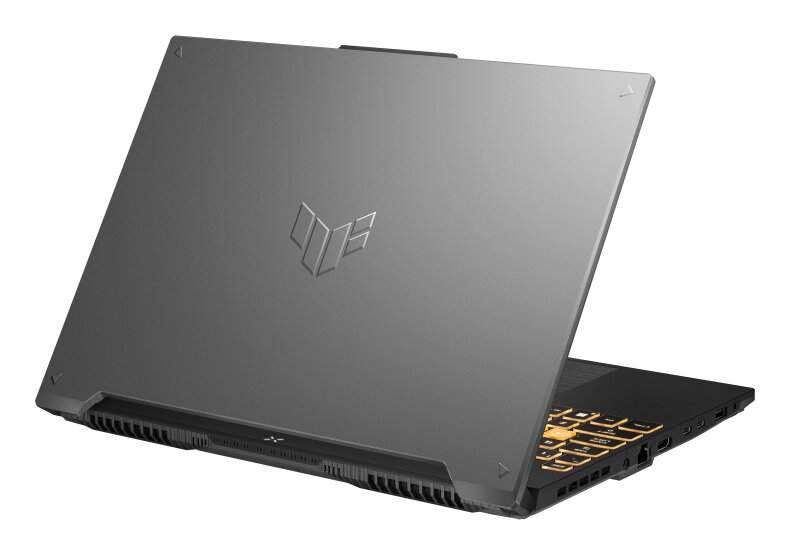
The ASUS TUF Gaming FX607VU-RL144-GAMING supports memory upgrades using DDR5-SDRAM technology. The laptop features 2 SO-DIMM slots for RAM expansion, with a maximum capacity of 32 GB total. Compatible memory modules operate at 5200 MHz frequency and utilize the SO-DIMM form factor. Specifications indicate the FX607VU-RL144-GAMING model from the F16 series accommodates DDR5 memory upgrades within these technical parameters for enhanced system performance and multitasking capabilities.
Memory Upgrade Specifications
| Specification | Value |
|---|---|
| Memory slots | 2x SO-DIMM |
| Form factor | SO-DIMM |
| Memory type | DDR5-SDRAM |
| Frequency | 5200 MHz |
| Maximum RAM | 32 GB |
| Voltage | 1.1V |
| Number of pins | 262-pin |
| Interface | PC5 |
| PC Speed Rating | PC5-5200 (PC5-41600) |
| Bandwidth | 41.6 GB/s |
Additional Notes
- The 32 GB capacity ceiling limits professional workloads requiring larger memory allocations such as virtual machine hosting with multiple concurrent instances or RAM-intensive simulation tasks.
- DDR5 modules from the DDR4 generation are physically incompatible due to different notch positioning, preventing accidental installation of older memory technology.
- The 5200 MHz native frequency represents JEDEC standard speed for DDR5, meaning XMP or EXPO overclocking profiles may enable higher transfer rates if the memory controller supports dynamic frequency scaling.
- SO-DIMM form factor restricts module availability compared to desktop DIMM equivalents, typically resulting in higher cost per gigabyte and fewer vendor options at matching specifications.
- Dual-channel architecture with 2 populated slots enables maximum theoretical bandwidth of 83.2 GB/s, whereas single-module configurations halve this throughput regardless of individual module capacity.
- The ASUS TUF Gaming FX607VU-RL144-GAMING platform requires memory modules operating at 1.1V standard DDR5 voltage, as higher-voltage modules designed for overclocking may cause stability issues or fail POST diagnostics.
- Accessing SO-DIMM slots in gaming chassis often requires bottom panel removal and potential warranty seal breakage, necessitating verification of manufacturer upgrade policies before physical installation.
- Mismatched module speeds in a dual-channel configuration force both modules to operate at the lower frequency, negating performance benefits of any higher-rated module.
- ECC SO-DIMM DDR5 modules, while physically compatible, typically remain disabled in consumer gaming platforms due to chipset and BIOS limitations.
- Thermal constraints in compact gaming laptops may throttle sustained memory-intensive operations when both slots contain high-density modules generating cumulative heat output.