ASUS TUF Gaming FX608JPR-DS76-CA RAM upgrade specifications
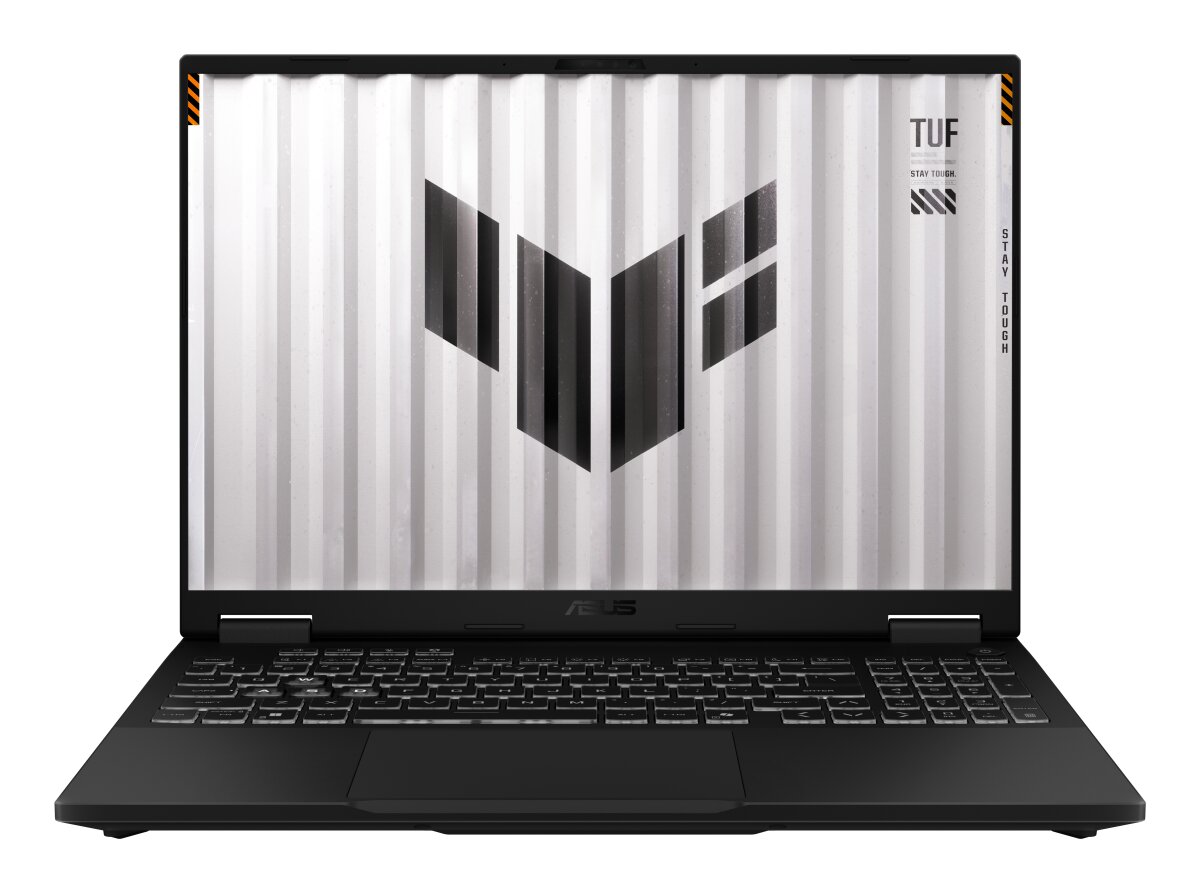

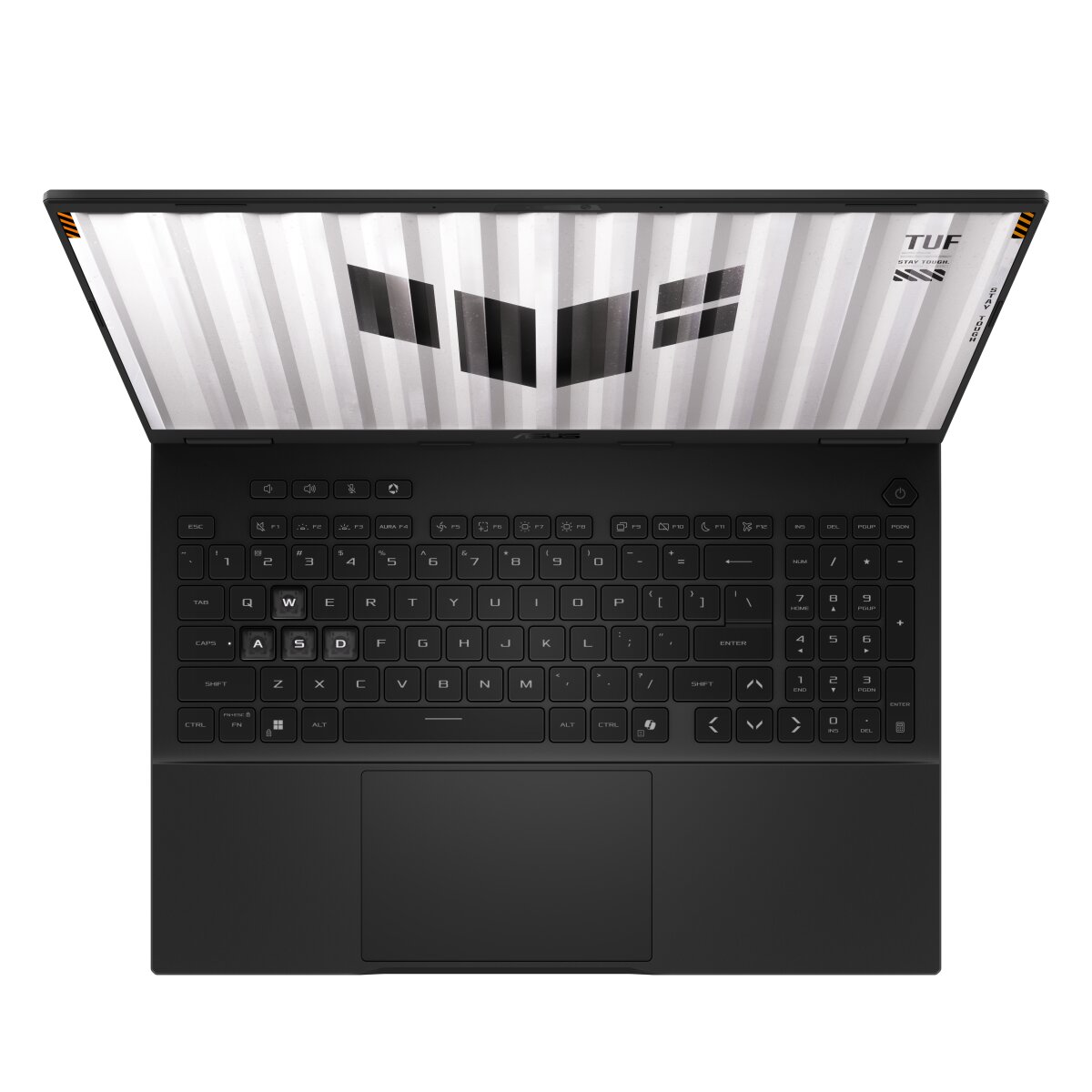
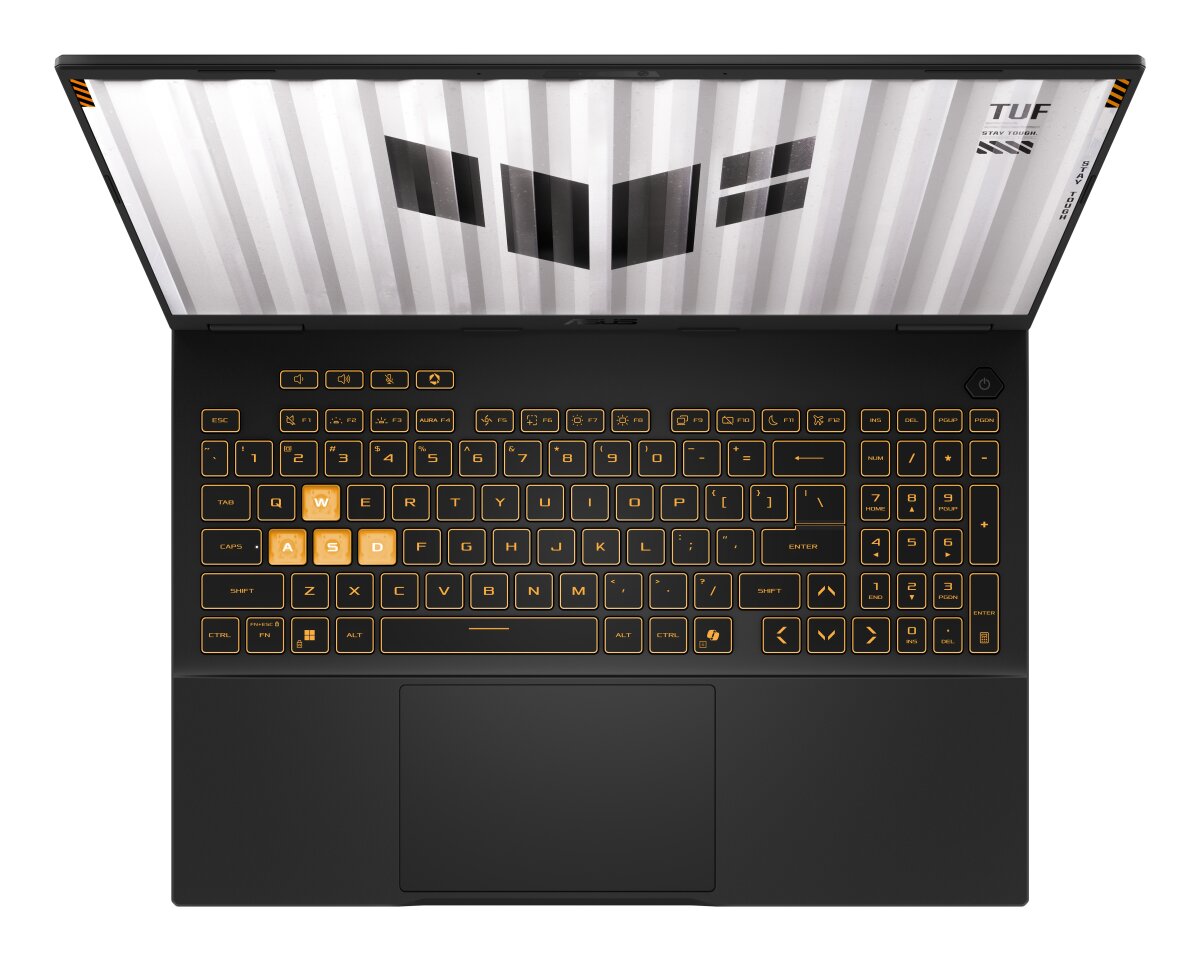
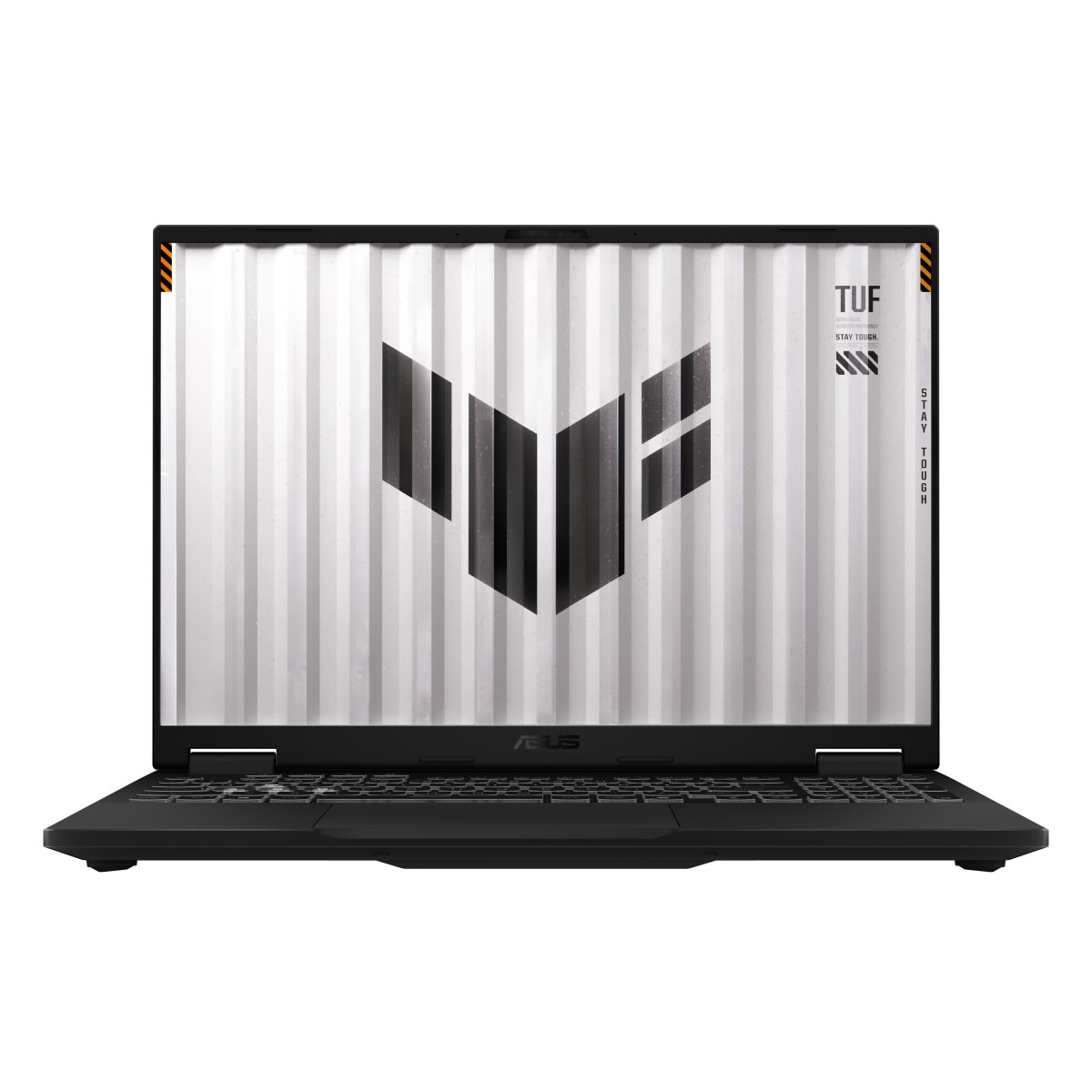
The ASUS TUF Gaming F16 FX608JPR-DS76-CA laptop features DDR5-SDRAM memory upgrade specifications with two SO-DIMM slots supporting maximum capacity of 64 GB. Compatible RAM modules operate at 5600 MHz frequency. Upgrade options include installing matched pairs or single modules in available slots, with specifications designed for gaming and performance-intensive applications. Memory expansion is compatible with DDR5 SO-DIMM form factor standards.
Memory Upgrade Specifications
| Specification | Value |
|---|---|
| Memory slots | 2x SO-DIMM |
| Form factor | SO-DIMM |
| Memory type | DDR5-SDRAM |
| Frequency | 5600 MHz |
| Maximum RAM | 64 GB |
| Voltage | 1.1V |
| Number of pins | 262-pin |
| Interface | PC5 |
| PC Speed Rating | PC5-5600 (PC5-44800) |
| Bandwidth | 44.8 GB/s |
Additional Notes
- The ASUS TUF Gaming FX608JPR-DS76-CA supports a 64 GB maximum capacity through 2 occupied slots, requiring 32 GB modules if the ceiling is reached.
- DDR5-5600 operates with higher latency than DDR4 at equivalent CAS timings, though bandwidth compensates in sustained workloads.
- SO-DIMM slots in gaming chassis typically require bottom-panel removal, with some models positioning memory beneath the battery assembly.
- DDR5 modules lack backward compatibility with DDR4 sockets due to differing notch positions and voltage requirements.
- 5600 MHz represents JEDEC standard speed for DDR5, allowing BIOS recognition without XMP profile activation.
- Dual-channel population requires matched modules to prevent asynchronous operation and potential instability.
- DDR5 integrates on-die ECC unavailable in DDR4, correcting single-bit errors without user intervention or performance penalty.
- Thermal considerations increase with DDR5 due to higher power draw per module compared to previous generation technologies.
- Mixing modules with different speeds forces the memory controller to downclock all sticks to the slowest installed frequency.
- Warranty preservation typically requires avoiding excessive voltage application beyond manufacturer-rated specifications during manual overclocking attempts.
- 2 physical slots limit upgrade flexibility to capacity increases rather than slot additions unavailable in this form factor.
- DDR5's dual-channel architecture per module differs from DDR4's single-channel design, affecting memory controller interaction at the hardware level.