ASUS TUF Gaming FX608JPR-RV013W RAM upgrade specifications



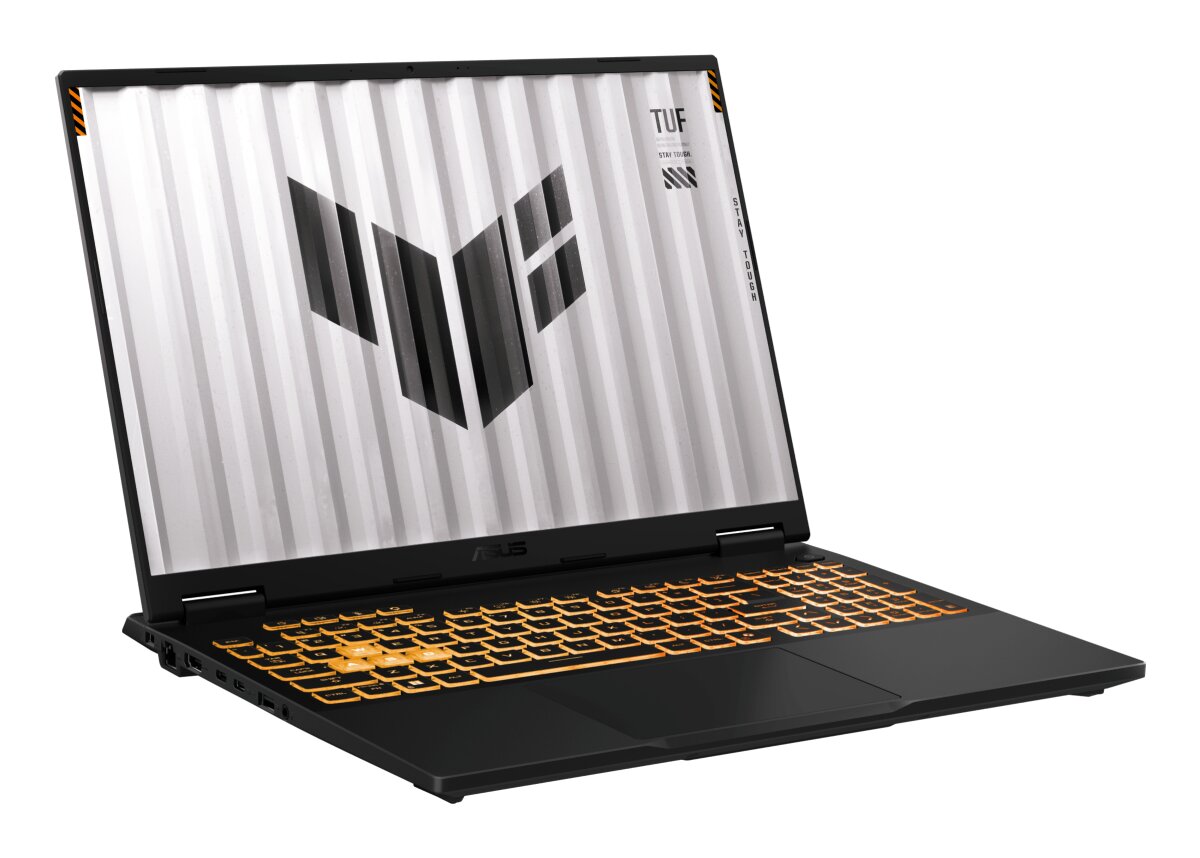
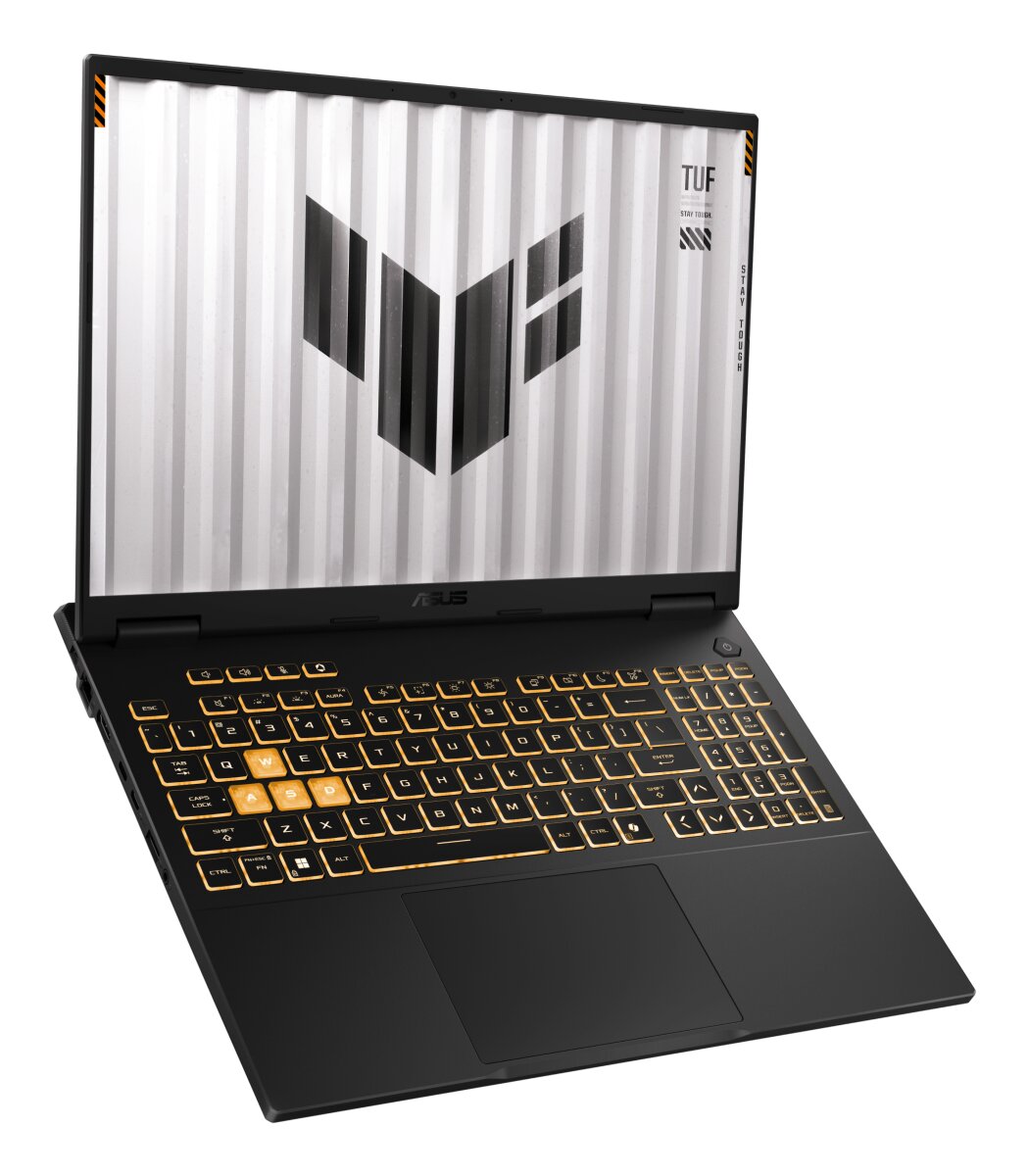
ASUS TUF Gaming F16 series model FX608JPR-RV013W features DDR5-SDRAM memory upgrade capabilities. The laptop contains two SO-DIMM slots supporting maximum RAM capacity of 64 GB. Compatible memory modules operate at 5600 MHz frequency. Specifications indicate SO-DIMM form factor for RAM upgrades. Current memory configuration and available slots allow for expansion to reach maximum supported capacity through compatible DDR5-SDRAM modules.
Memory Upgrade Specifications
| Specification | Value |
|---|---|
| Memory slots | 2x SO-DIMM |
| Form factor | SO-DIMM |
| Memory type | DDR5-SDRAM |
| Frequency | 5600 MHz |
| Maximum RAM | 64 GB |
| Voltage | 1.1V |
| Number of pins | 262-pin |
| Interface | PC5 |
| PC Speed Rating | PC5-5600 (PC5-44800) |
| Bandwidth | 44.8 GB/s |
Additional Notes
- The ASUS TUF Gaming FX608JPR-RV013W employs DDR5 modules exclusively, rendering DDR4 physically and electrically incompatible due to different pin configurations and voltage requirements.
- Both SO-DIMM slots support dual-channel operation when populated with matching capacity and speed modules, potentially doubling memory bandwidth compared to single-channel configurations.
- The 64 GB ceiling restricts maximum single-module density to 32 GB per slot, eliminating support for higher-capacity modules that may become available in future DDR5 generations.
- DDR5-5600 represents the validated speed specification, though chipset and BIOS limitations may prevent stability with faster-rated modules even if physically compatible.
- SO-DIMM access typically requires bottom panel removal on gaming laptops, and manufacturer seal breakage during this process may void warranty coverage depending on regional consumer protection laws.
- Mixed-speed configurations will force all modules to operate at the lowest common frequency, negating any benefit from installing faster-rated memory alongside the base 5600 MHz specification.
- Native DDR5-5600 operation eliminates the need for XMP/EXPO profile activation, reducing potential BIOS compatibility issues compared to overclocked memory configurations.
- The 2-slot design offers no expansion headroom beyond replacement, requiring disposal or repurposing of factory modules when upgrading to higher capacities.
- DDR5 architecture incorporates on-die ECC unavailable in DDR4, providing transparent error correction without requiring registered modules or sacrificing capacity.
- Thermal considerations become critical at 5600 MHz speeds, as poorly ventilated SO-DIMM slots may throttle performance during sustained memory-intensive workloads.