ASUS TUF Gaming TUF607JV-N3153 RAM upgrade specifications




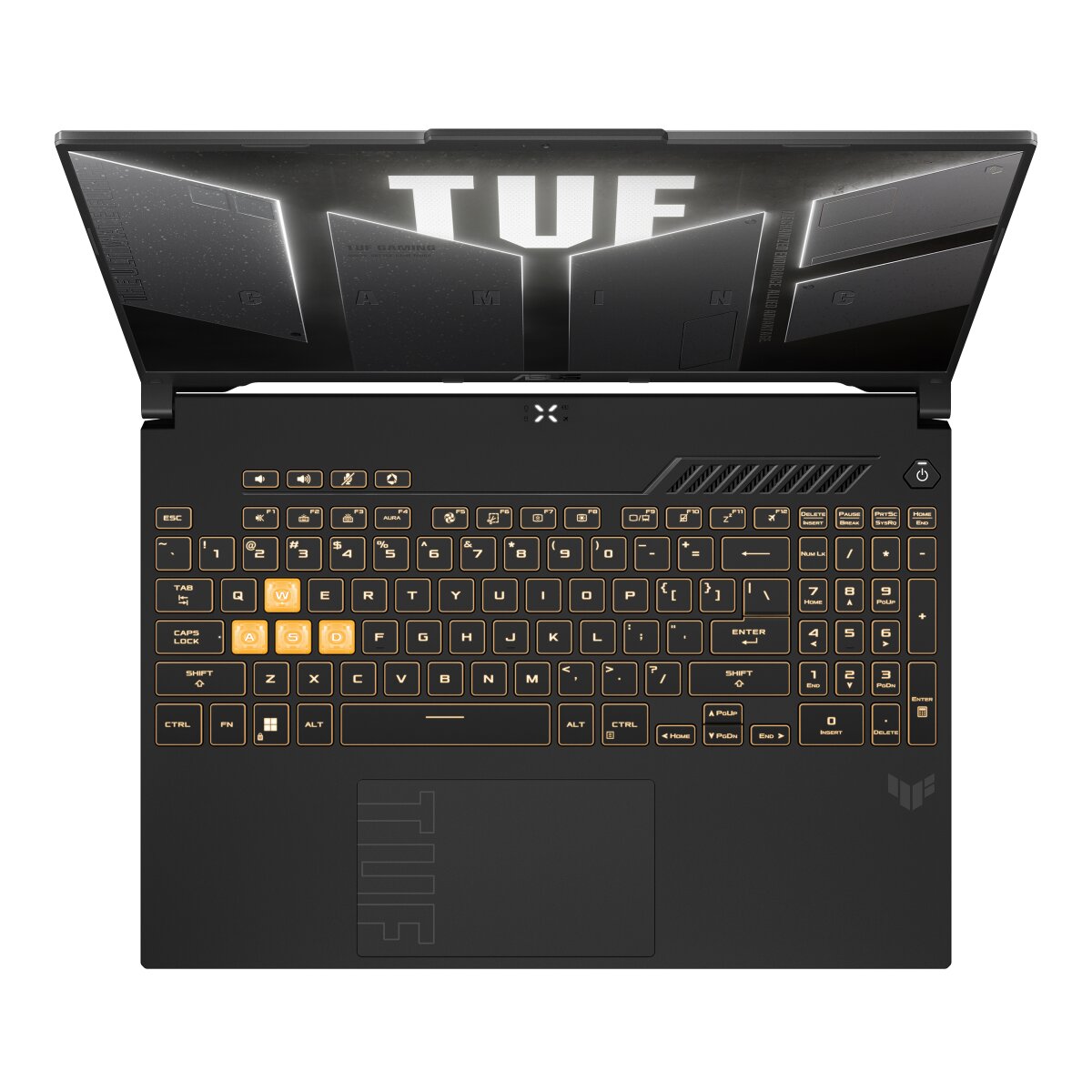
The ASUS TUF Gaming F16 series model TUF607JV-N3153 supports DDR5-SDRAM memory upgrades. The laptop contains 2 SO-DIMM slots for memory expansion, with a maximum RAM capacity of 32 GB. Compatible memory modules operate at 4800 MHz frequency and utilize the SO-DIMM form factor. The upgrade specifications enable compatible DDR5 memory modules to be installed for enhanced system performance and multitasking capabilities.
Memory Upgrade Specifications
| Specification | Value |
|---|---|
| Memory slots | 2x SO-DIMM |
| Form factor | SO-DIMM |
| Memory type | DDR5-SDRAM |
| Frequency | 4800 MHz |
| Maximum RAM | 32 GB |
| Voltage | 1.1V |
| Number of pins | 262-pin |
| Interface | PC5 |
| PC Speed Rating | PC5-4800 (PC5-38400) |
| Bandwidth | 38.4 GB/s |
Additional Notes
- The ASUS TUF Gaming TUF607JV-N3153 implements DDR5 technology, which operates at higher voltages than DDR4 and requires incompatible slot keying, preventing any cross-generation module installation.
- The 32 GB ceiling reflects a controller limitation rather than slot capacity, meaning modules exceeding 16 GB per slot will not be recognized even if physically compatible.
- Both SO-DIMM slots must remain accessible through the bottom chassis panel, as soldered memory configurations are absent in dual-slot implementations.
- DDR5-4800 represents JEDEC baseline specification, indicating the system will downclock any higher-speed modules to 4800 MT/s regardless of their rated performance.
- Mixing modules with different densities across the 2 slots will force single-channel operation, halving memory bandwidth to approximately 38.4 GB/s.
- The SO-DIMM form factor imposes a 262-pin interface, making desktop DIMM modules physically incompatible despite identical DDR5 technology.
- Operating at 4800 MHz yields a theoretical peak bandwidth of 76.8 GB/s in dual-channel mode, which can bottleneck GPU performance in VRAM-intensive workloads if only single-channel configuration is used.
- DDR5 modules incorporate on-die ECC that is transparent to the system, but this differs from full ECC support and will not prevent system crashes from memory errors.
- Warranty preservation requires non-destructive panel removal, as breaking security seals or damaging clips during access typically voids manufacturer coverage.
- The absence of faster frequency support means XMP or EXPO profile modules will default to JEDEC timings, negating any premium paid for overclocking capability.