ASUS TUF Gaming FX608JPR-I7161W RAM upgrade specifications
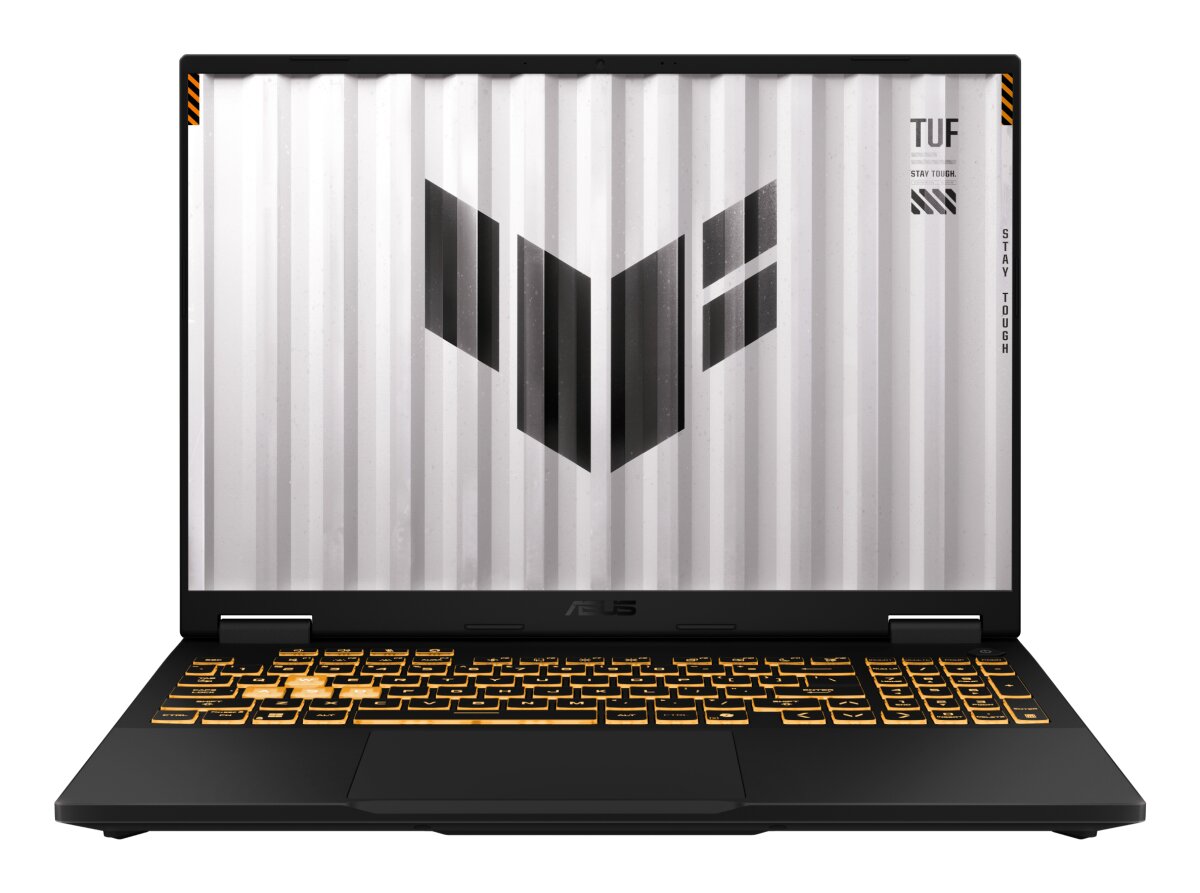

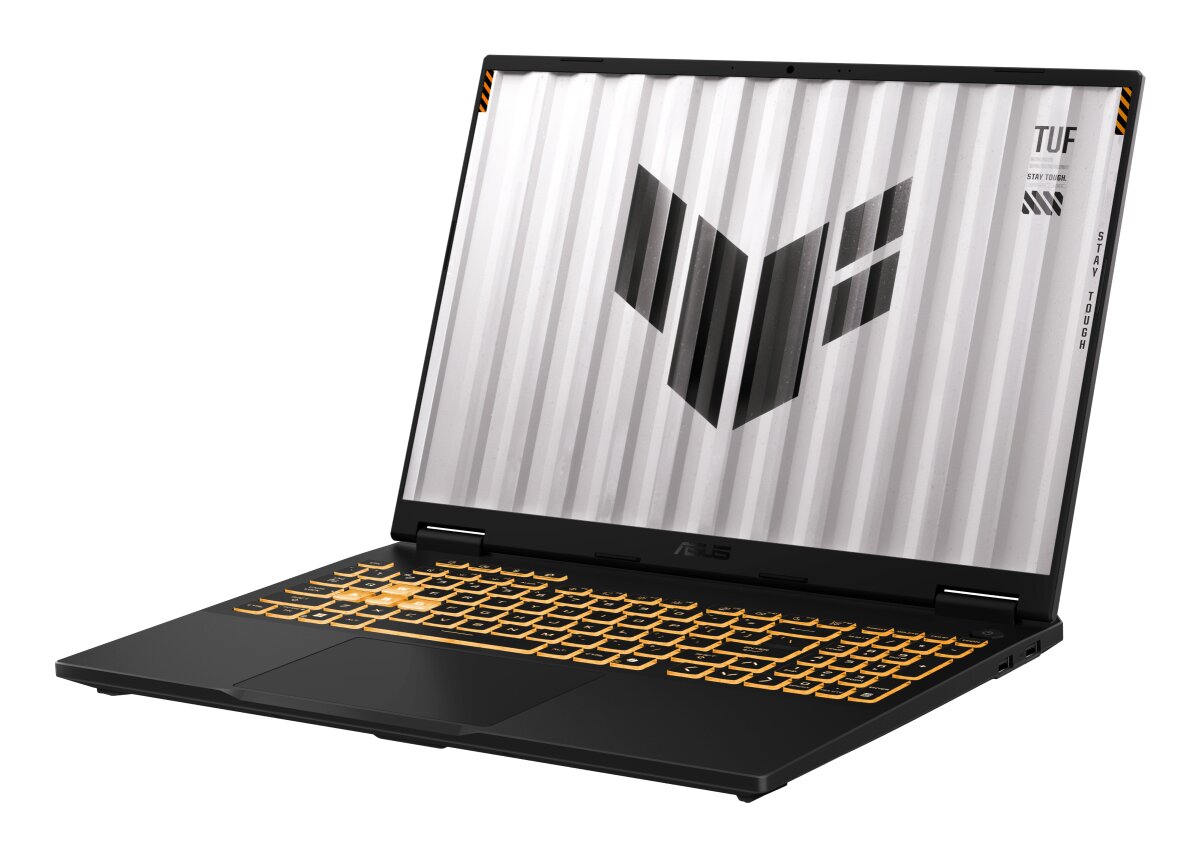
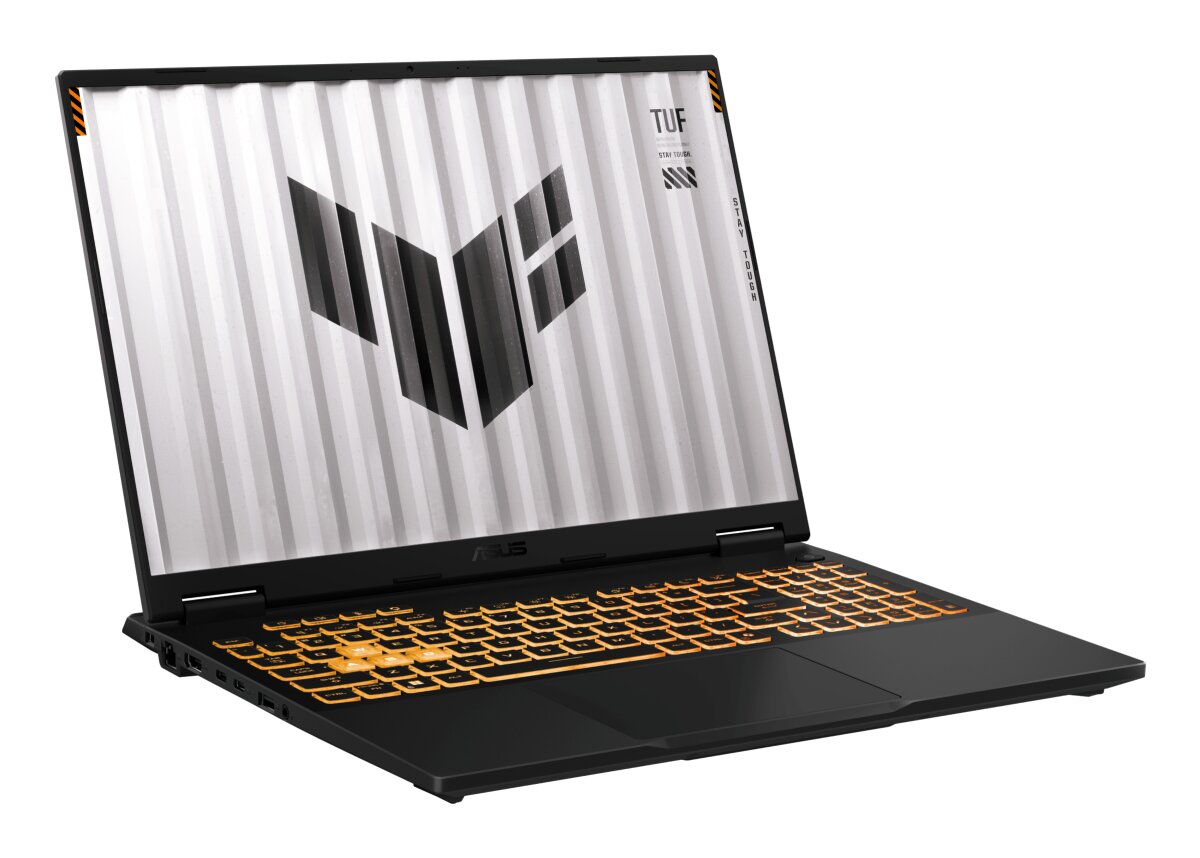
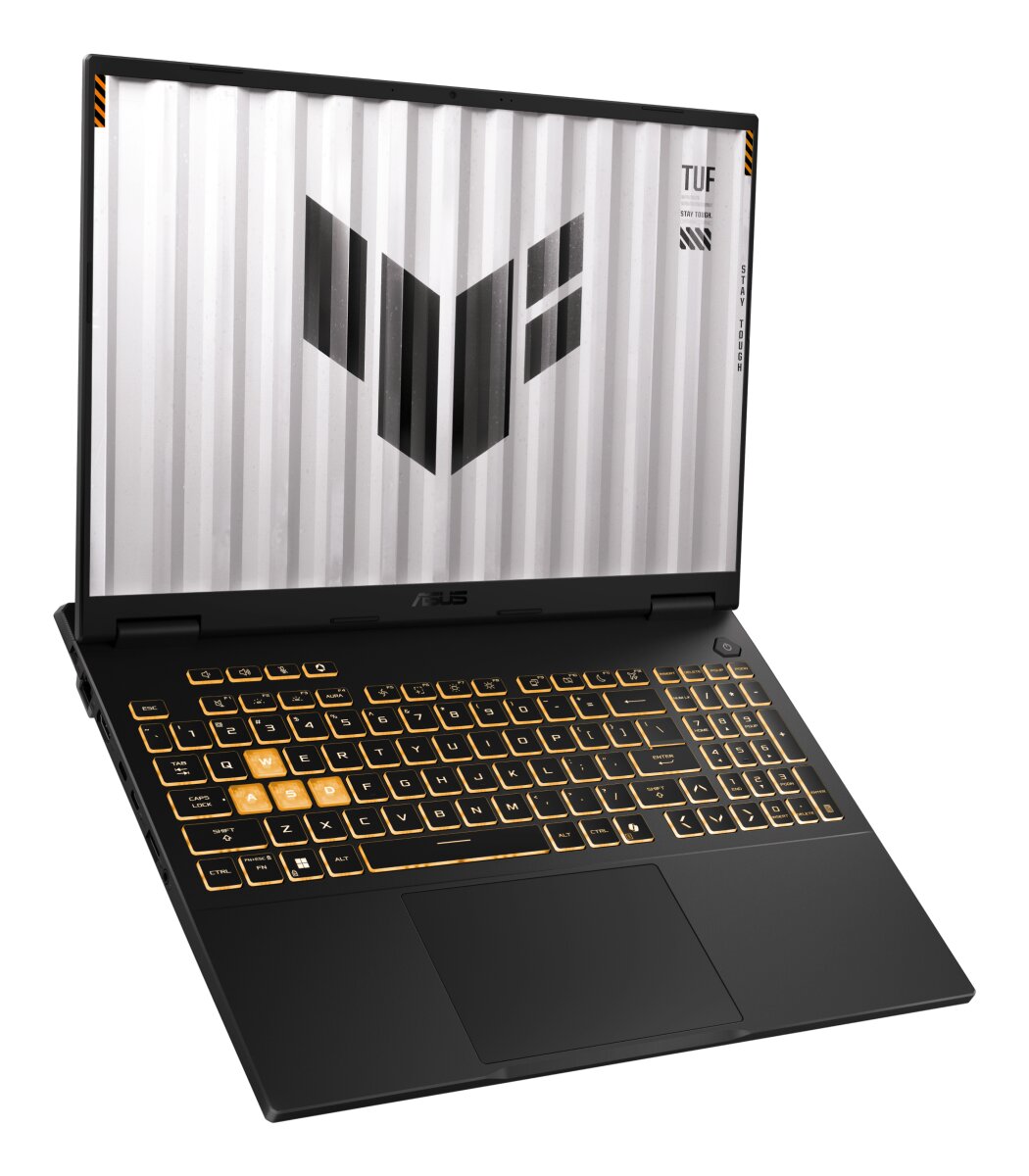
ASUS TUF Gaming F16 FX608JPR-I7161W laptop accommodates DDR5-SDRAM memory upgrades through two SO-DIMM slots. The system supports maximum memory capacity of 64 GB, with compatible RAM operating at 5600 MHz frequency. Specifications indicate the FX608JPR-I7161W accepts DDR5 SO-DIMM modules for memory expansion and system optimization. Current upgrade configurations allow users to populate available slots with matching capacity modules to achieve maximum supported RAM specifications.
Memory Upgrade Specifications
| Specification | Value |
|---|---|
| Memory slots | 2x SO-DIMM |
| Form factor | SO-DIMM |
| Memory type | DDR5-SDRAM |
| Frequency | 5600 MHz |
| Maximum RAM | 64 GB |
| Voltage | 1.1V |
| Number of pins | 262-pin |
| Interface | PC5 |
| PC Speed Rating | PC5-5600 (PC5-44800) |
| Bandwidth | 44.8 GB/s |
Additional Notes
- The ASUS TUF Gaming FX608JPR-I7161W utilizes DDR5 technology, which is not backward compatible with DDR4 modules due to different physical notch positions and electrical signaling requirements.
- Dual channel memory architecture requires matched pairs to achieve optimal bandwidth performance, while mismatched module configurations will default to single channel operation with reduced throughput.
- DDR5 SO-DIMM modules incorporate onboard voltage regulation, which differs from DDR4's motherboard-level power management and affects thermal characteristics during sustained workloads.
- The 5600 MHz native frequency represents JEDEC standard specification for DDR5, providing 44.8 GB/s theoretical bandwidth per channel when operating in dual channel mode.
- Accessing the memory slots typically requires full bottom panel removal on gaming chassis designs, with potential warranty seal considerations depending on regional service policies.
- The 64 GB ceiling indicates chipset-level memory controller limitations rather than physical slot restrictions, preventing recognition of higher capacity modules even if physically installed.
- DDR5's higher frequency generates increased thermal output compared to DDR4 equivalents, which may impact sustained performance in thermally constrained laptop environments without adequate ventilation clearance.
- SO-DIMM form factor restricts module height to 30 mm maximum, eliminating compatibility concerns with aftermarket modules featuring extended heat spreaders common in desktop configurations.
- Memory subsystem latency at 5600 MHz typically ranges between CL40 and CL46, representing absolute nanosecond timings similar to DDR4-3200 despite higher cycle counts.
- The presence of 2 physical slots allows incremental capacity upgrades without discarding existing modules, provided total configuration remains within the 64 GB maximum threshold.