ASUS TUF Gaming FX706HCB-HX111 RAM upgrade specifications



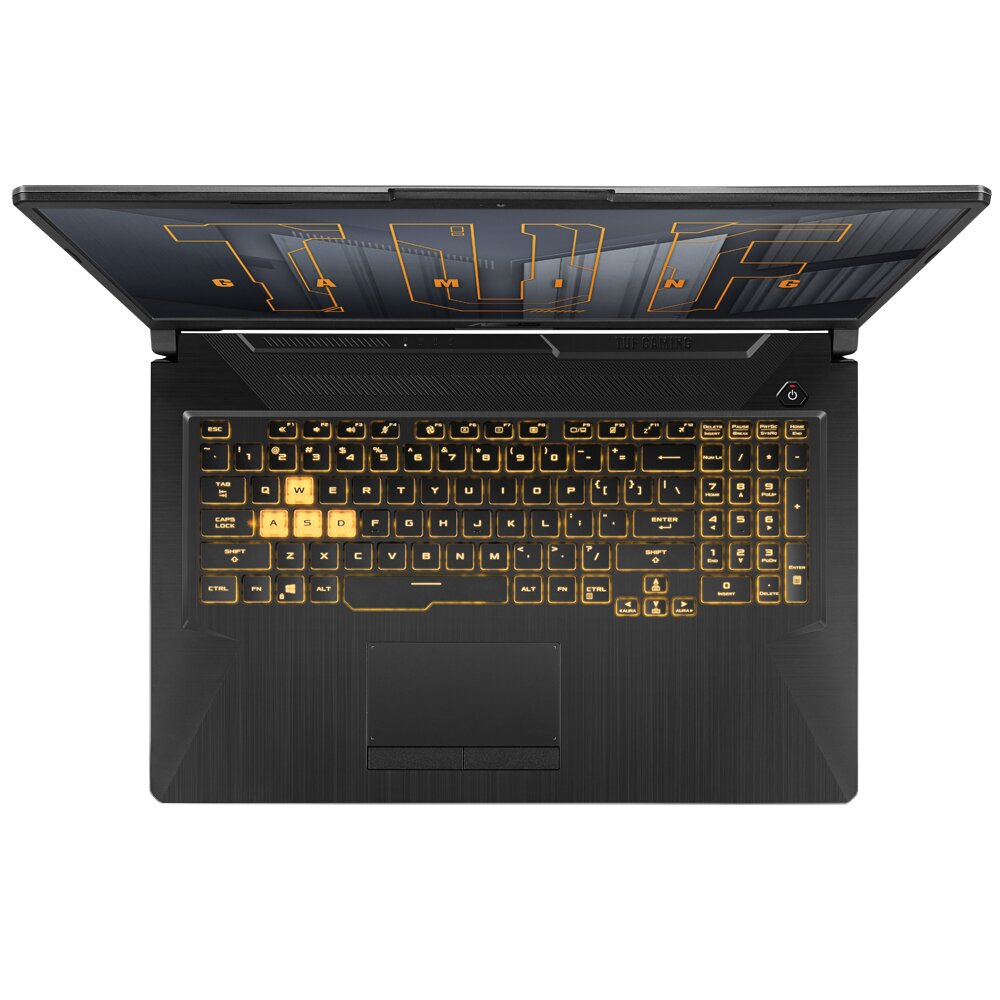
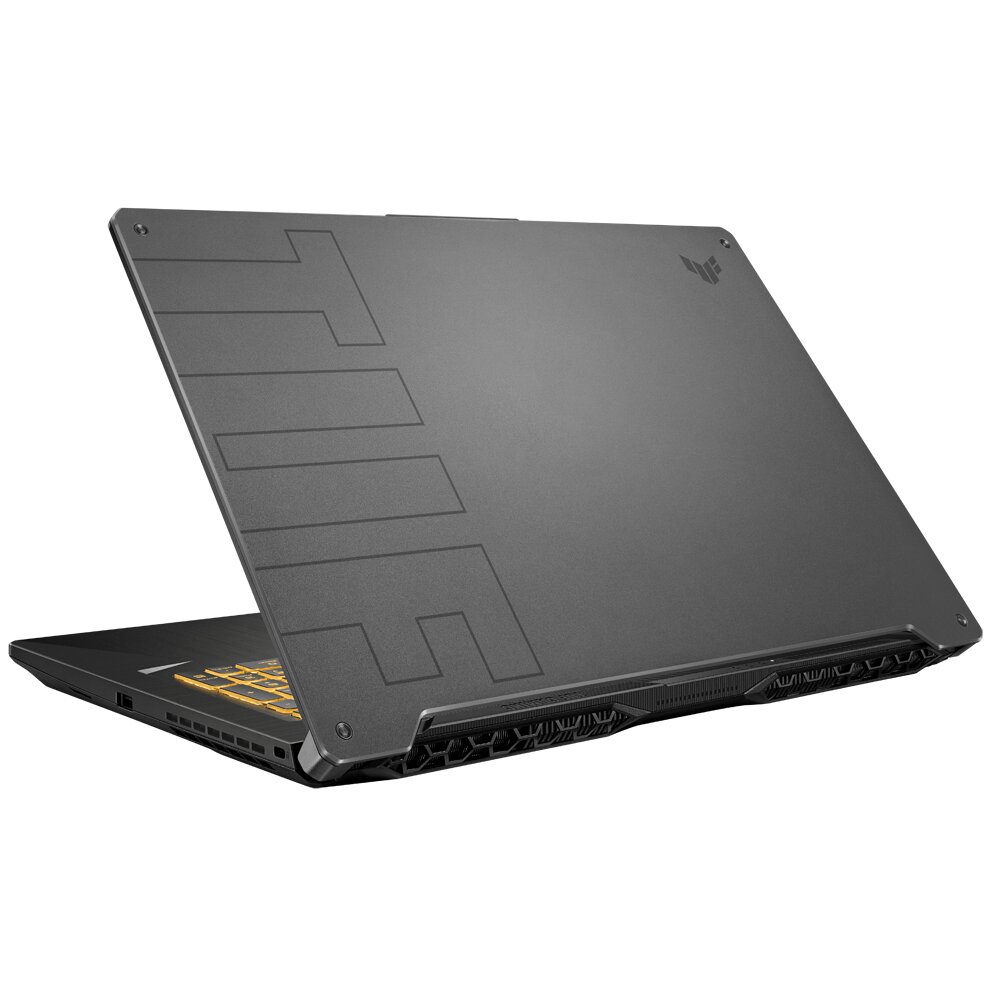
ASUS TUF Gaming F17 FX706HCB-HX111 laptop features DDR4-SDRAM memory configuration with 2x SO-DIMM slots supporting maximum capacity of 32 GB. Compatible memory modules operate at 3200 MHz frequency. Upgrade specifications enable installation of compatible DDR4 SO-DIMM modules to expand system memory capacity from stock configuration to 32 GB maximum. Memory slots accommodate standard SO-DIMM form factor components meeting DDR4-SDRAM specifications.
Memory Upgrade Specifications
| Specification | Value |
|---|---|
| Memory slots | 2x SO-DIMM |
| Form factor | SO-DIMM |
| Memory type | DDR4-SDRAM |
| Frequency | 3200 MHz |
| Maximum RAM | 32 GB |
| Voltage | 1.2V |
| Number of pins | 260-pin |
| Interface | PC4 |
| PC Speed Rating | PC4-3200 (PC4-25600) |
| Bandwidth | 25.6 GB/s |
| Laptop Release date | 31 July 2021 |
Additional Notes
- The ASUS TUF Gaming FX706HCB-HX111 utilizes SO-DIMM modules rather than standard desktop DIMMs, requiring physically smaller memory sticks with 260 pins instead of the 288-pin configuration found in tower PCs.
- The 32 GB maximum capacity represents a controller-level limitation, meaning attempts to install higher-density modules will either fail to boot or cause the system to recognize only 32 GB regardless of installed capacity.
- With 2 slots available, achieving maximum capacity requires two 16 GB modules in dual-channel configuration, which delivers approximately 85% higher memory bandwidth compared to a single-channel setup using one populated slot.
- The 3200 MHz specification operates at PC4-25600 speed rating, transferring 25.6 GB per second per channel under optimal conditions when both slots contain identical frequency-matched modules.
- Installing modules rated below 3200 MHz will cause the entire memory subsystem to downclock to the slower module's frequency, creating a bandwidth bottleneck that affects integrated graphics performance and CPU-intensive workloads.
- Mixed-capacity configurations such as 8 GB plus 16 GB will function but operate in flex mode, where only the matched portion runs in dual-channel while the remainder operates in single-channel at reduced bandwidth.
- DDR4 voltage tolerance typically ranges from 1.2V to 1.35V, with XMP/overclocked modules sometimes exceeding this range and potentially causing instability if the system's BIOS lacks voltage adjustment options.
- SO-DIMM slots in gaming laptops often sit beneath heat-generating components or require partial disassembly of the cooling system, necessitating thermal paste reapplication and careful reassembly to maintain factory thermal performance.
- Memory timing discrepancies between modules from different manufacturers can force the system to adopt conservative CAS latency settings, increasing access times from approximately 10 nanoseconds to 12-13 nanoseconds at 3200 MHz.
- The DDR4 standard locks this platform to a maximum theoretical frequency of 3200 MHz for JEDEC-standard modules, preventing future compatibility with DDR5 technology without motherboard replacement.
- Warranty preservation typically requires avoiding physical damage to retention clips and ensuring modules click fully into place with securing tabs engaged on both sides, as partially seated memory can cause post-boot failures misdiagnosed as component defects.