ASUS TUF Gaming FX706HCB-HX114T RAM upgrade specifications

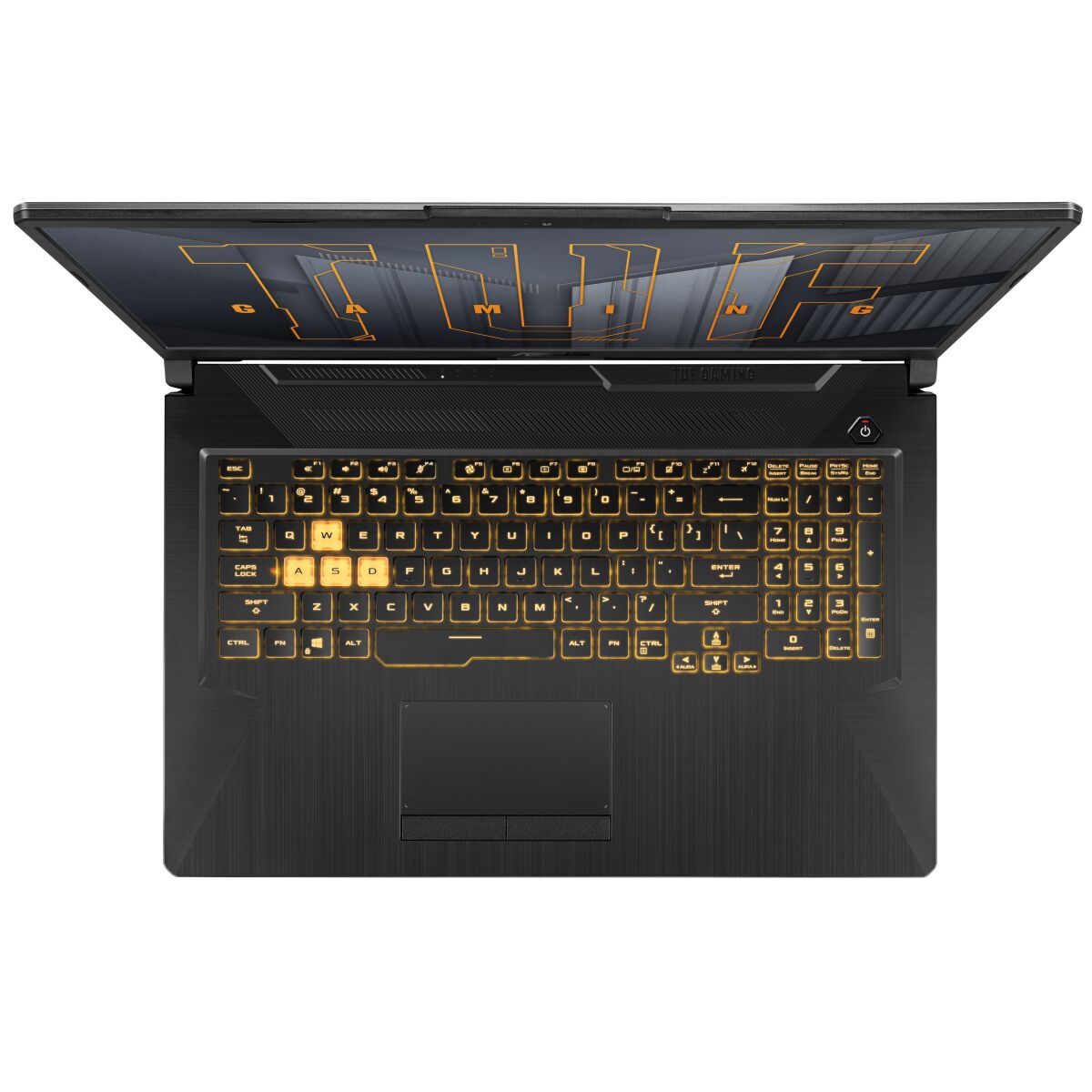

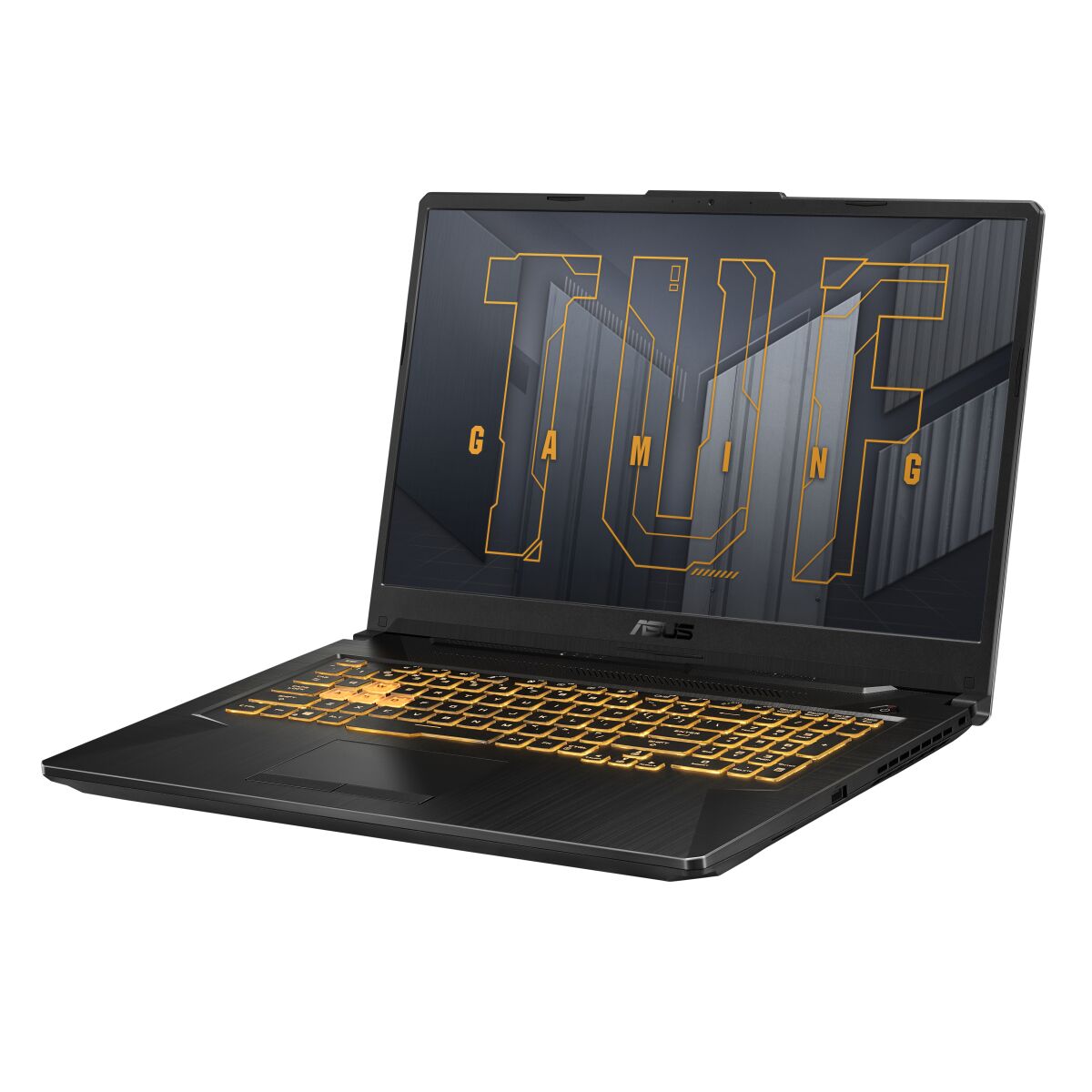
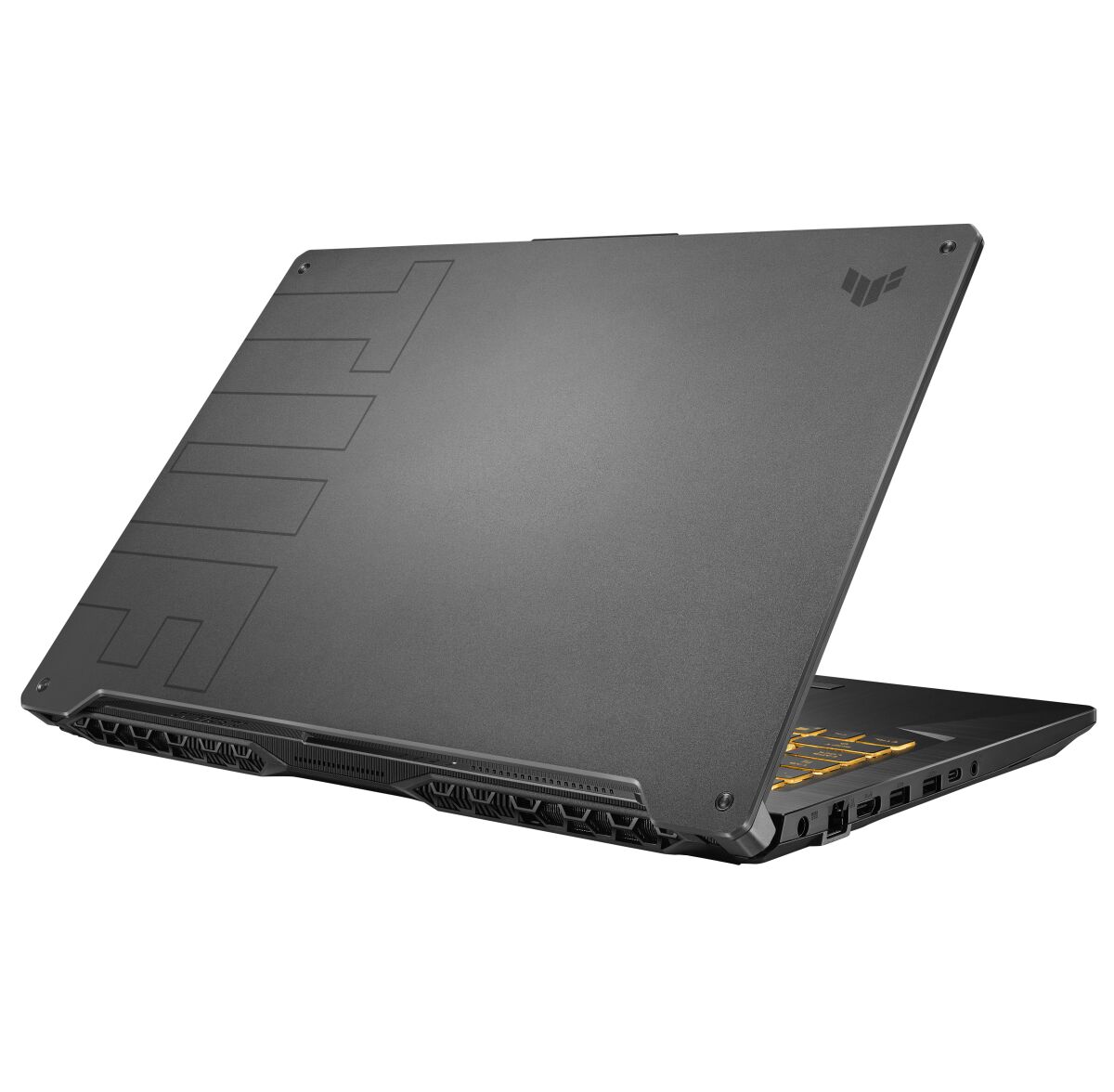
The ASUS TUF Gaming F17 FX706HCB-HX114T laptop contains two SO-DIMM memory slots supporting DDR4-SDRAM upgrades. The system specifications allow maximum RAM capacity of 32 GB total. Compatible memory modules operate at 3200 MHz frequency. The upgrade slots accommodate standard SO-DIMM form factor RAM components. Current configuration and available memory capacity support performance enhancements through compatible DDR4 RAM installation.
Memory Upgrade Specifications
| Specification | Value |
|---|---|
| Memory slots | 2x SO-DIMM |
| Form factor | SO-DIMM |
| Memory type | DDR4-SDRAM |
| Frequency | 3200 MHz |
| Maximum RAM | 32 GB |
| Voltage | 1.2V |
| Number of pins | 260-pin |
| Interface | PC4 |
| PC Speed Rating | PC4-3200 (PC4-25600) |
| Bandwidth | 25.6 GB/s |
| Laptop Release date | 28 April 2022 |
Additional Notes
- The ASUS TUF Gaming FX706HCB-HX114T utilizes SO-DIMM modules rather than standard DIMM, restricting replacement options to laptop-specific memory components that typically carry higher per-gigabyte costs than desktop equivalents.
- Both memory channels must operate at identical frequencies, meaning a single 3200 MHz module paired with a slower module will force the entire system to run at the lower speed, negating the performance advantage of the faster component.
- The 32 GB ceiling requires 2 modules of 16 GB each in dual-channel configuration, as exceeding this capacity may prevent POST completion or cause system instability despite physical installation.
- DDR4-3200 represents the JEDEC standard speed, but actual sustained bandwidth depends on the integrated memory controller's ability to maintain this frequency under thermal load during extended gaming sessions.
- Modules rated beyond 3200 MHz will function but automatically downclock to this speed unless manual XMP/DOCP profile activation is possible through BIOS, which varies by manufacturer firmware implementation.
- Non-ECC unbuffered modules are required, as registered or error-correcting variants designed for server applications will incompatibly interface with the laptop's consumer-grade memory controller.
- CAS latency specifications directly impact real-world responsiveness, with CL22 modules exhibiting approximately 13.75 nanoseconds of latency versus CL16's 10 nanoseconds at identical 3200 MHz frequency.
- Single-rank versus dual-rank architecture affects memory interleaving efficiency, with dual-rank modules potentially delivering 5-10% higher bandwidth in memory-intensive workloads despite identical capacity and frequency ratings.
- Voltage requirements typically standardize at 1.2V for DDR4, but modules specified at 1.35V or higher may cause thermal throttling in the confined laptop chassis or exceed power delivery tolerances.
- Physical module height must not exceed 30mm to avoid interference with the keyboard assembly or chassis lid during closure, as gaming laptops often allocate minimal z-height clearance above SO-DIMM sockets.
- Mixed-brand configurations may introduce timing incompatibilities at POST, requiring the system to apply conservative JEDEC fallback timings that reduce performance below single-brand kit specifications.
- Accessing the memory slots likely requires complete bottom panel removal and possible warranty seal breakage, depending on regional service policies and whether RAM upgrades fall under user-serviceable classifications.