ASUS TUF Gaming FX706HCB-HX114W RAM upgrade specifications

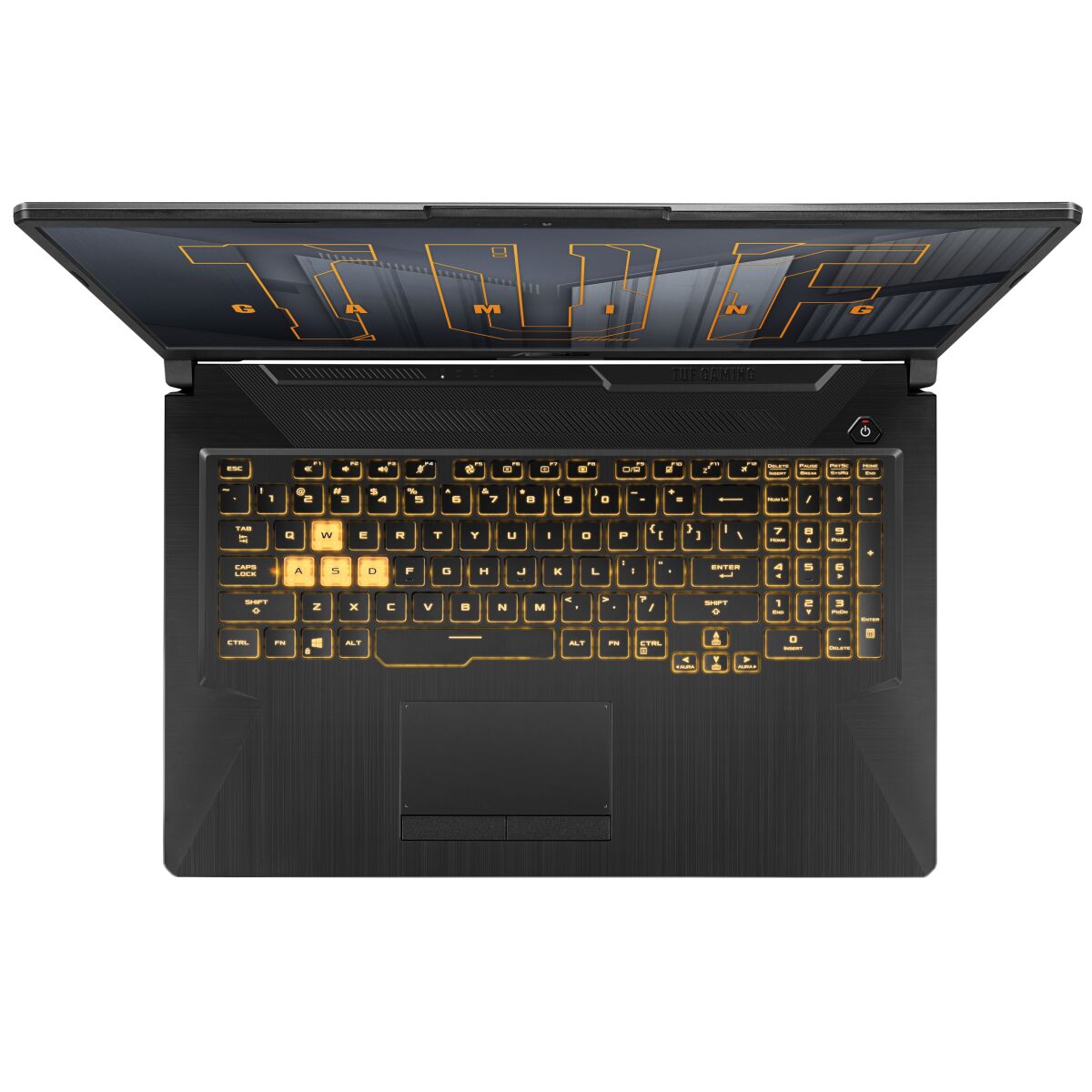

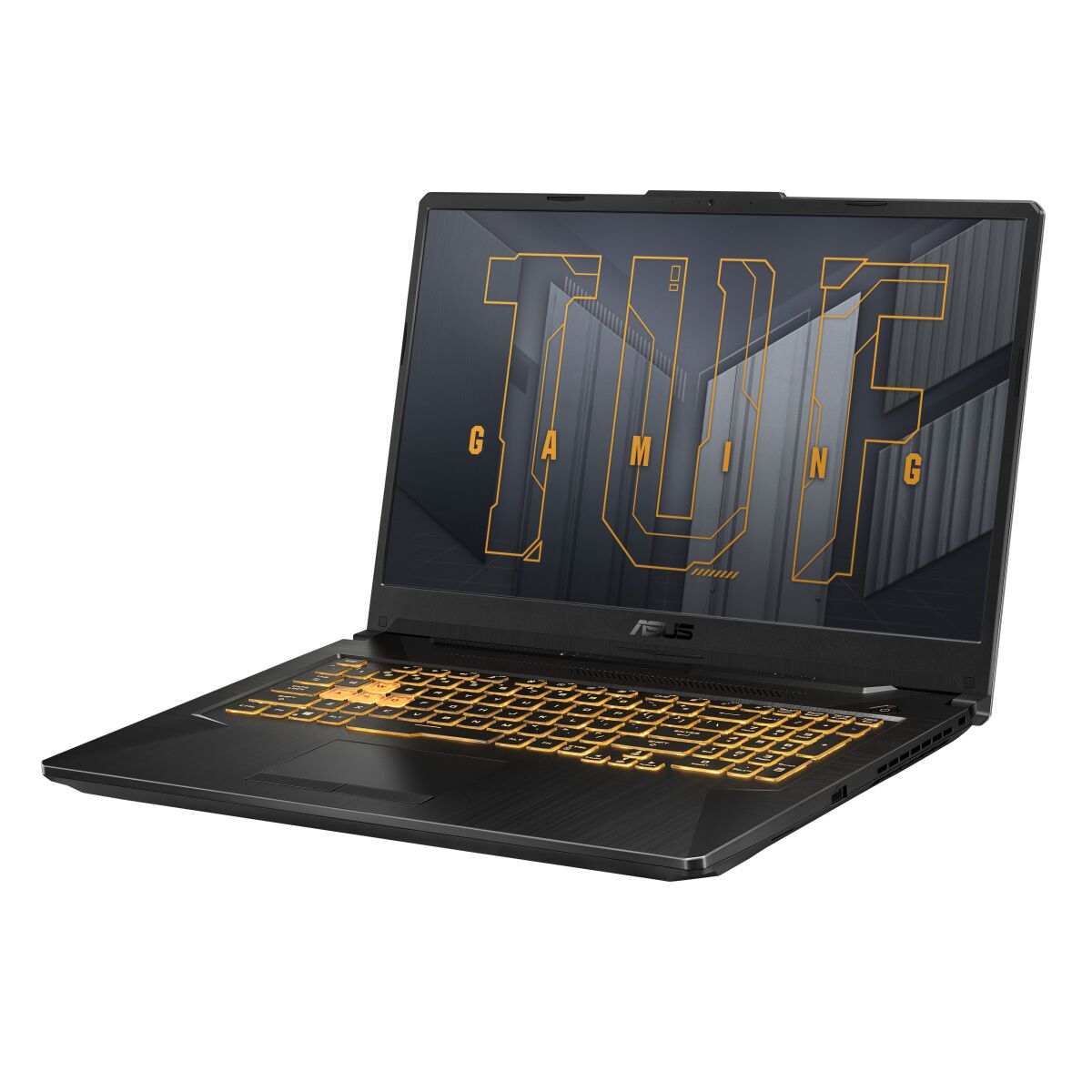
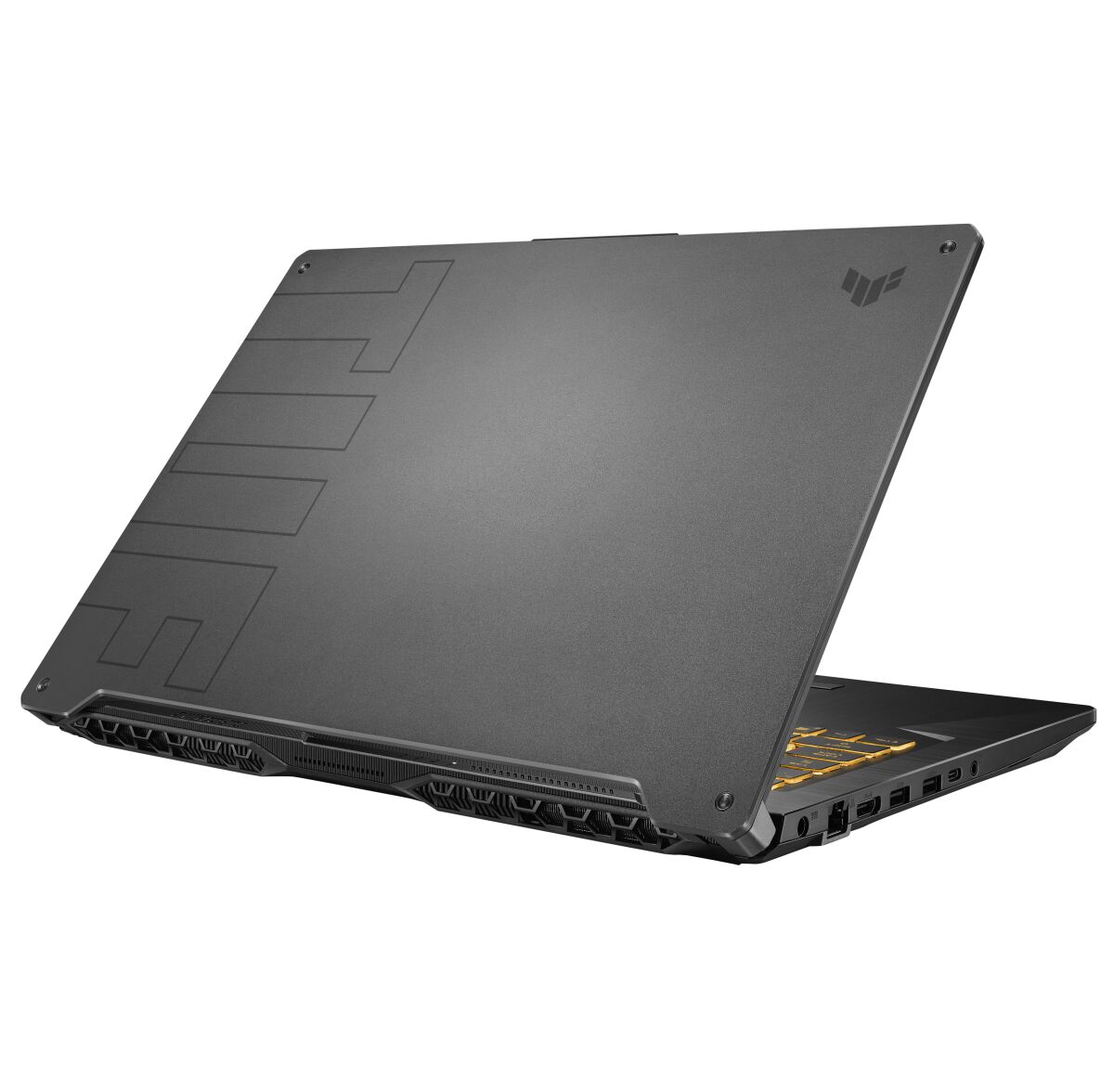
The ASUS TUF Gaming F17 FX706HCB-HX114W features DDR4-SDRAM memory upgrade capabilities with two SO-DIMM slots supporting a maximum capacity of 32 GB total. Compatible RAM modules operate at 3200 MHz frequency. The laptop's specifications indicate support for upgradeable memory configurations, allowing users to expand system RAM through replacement or additional SO-DIMM installations. Maximum upgrade potential reaches 32 GB when dual compatible DDR4 modules are installed in available slots.
Memory Upgrade Specifications
| Specification | Value |
|---|---|
| Memory slots | 2x SO-DIMM |
| Form factor | SO-DIMM |
| Memory type | DDR4-SDRAM |
| Frequency | 3200 MHz |
| Maximum RAM | 32 GB |
| Voltage | 1.2V |
| Number of pins | 260-pin |
| Interface | PC4 |
| PC Speed Rating | PC4-3200 (PC4-25600) |
| Bandwidth | 25.6 GB/s |
| Laptop Release date | 25 April 2022 |
Additional Notes
- The dual-channel architecture requires an identical pair of modules to achieve the maximum theoretical memory bandwidth for the 11th Gen Intel processor.
- Installing a single 32 GB module instead of two 16 GB modules results in single-channel operation, which introduces significant latency bottlenecks in gaming and rendering tasks.
- The absence of soldered memory on the ASUS TUF Gaming FX706HCB-HX114W motherboard allows for the total replacement of factory-installed RAM without facing permanent hardware limitations.
- Higher frequency modules will automatically downclock to 3200 MHz if the system BIOS lacks XMP or manual timing adjustment support.
- The physical height of the SO-DIMM slots restricts the use of memory modules with integrated tall heat spreaders due to the internal clearance of the bottom chassis cover.
- Asynchronous memory configurations consisting of two different capacities will trigger Intel Flex Memory Technology, where only the matching portion of the capacity operates in dual-channel mode.
- Upgrading beyond the 32 GB threshold is unsupported by the firmware and may lead to failure to POST or intermittent system instability during high-load scenarios.
- Internal component access involves a pop-open screw design on the bottom panel to prevent plastic clip damage during the manual upgrade process.