ASUS TUF Gaming FX706HCB-HX152T RAM upgrade specifications
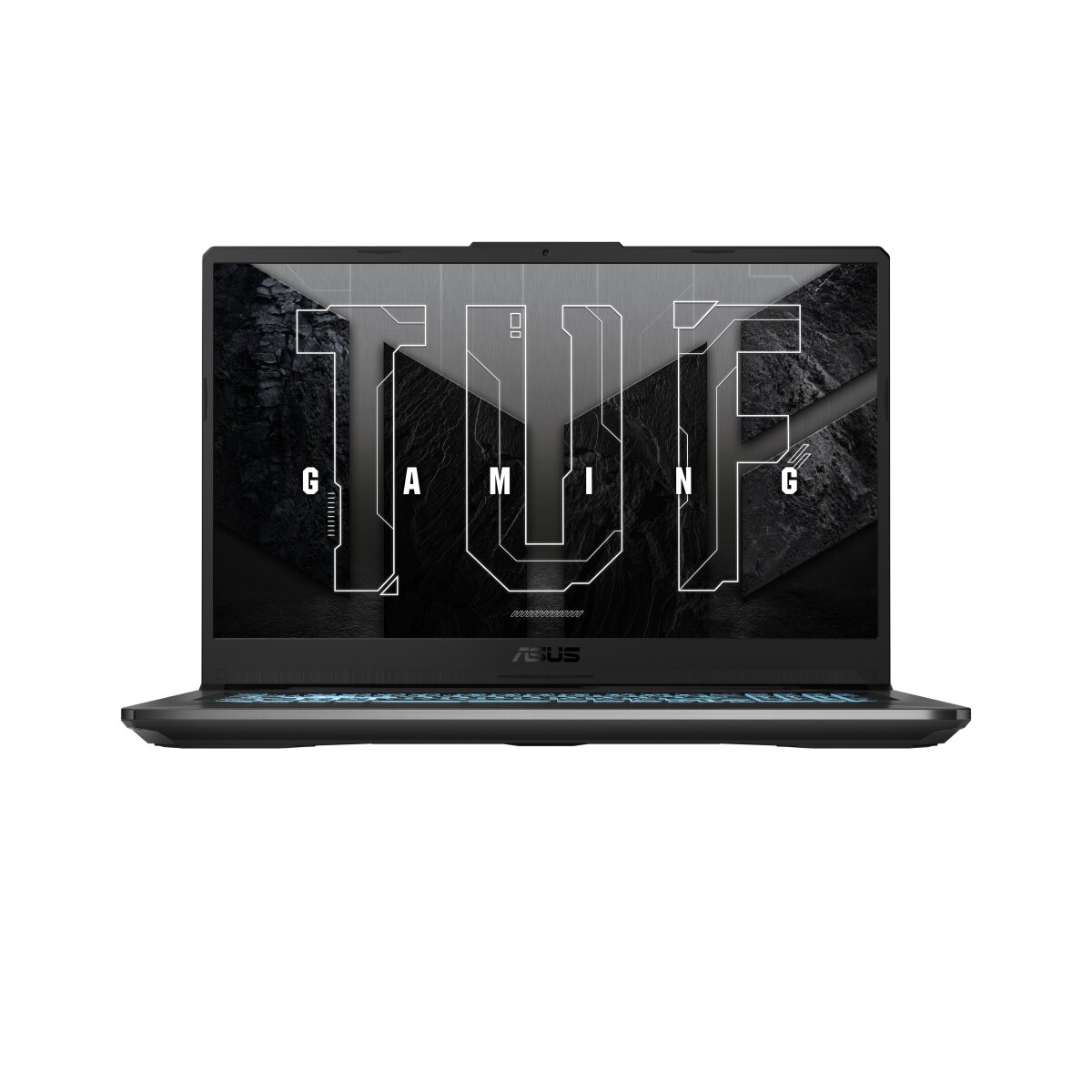
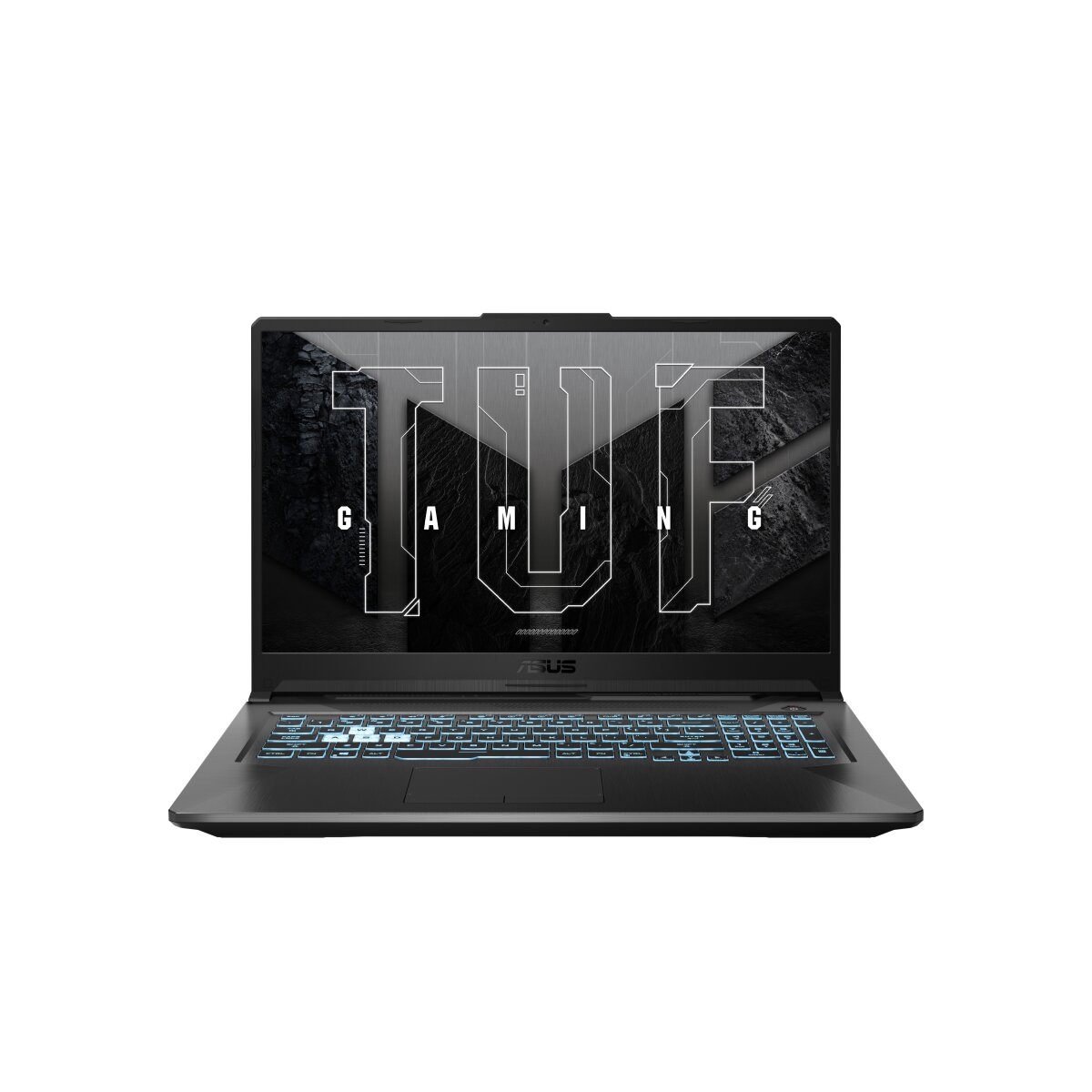
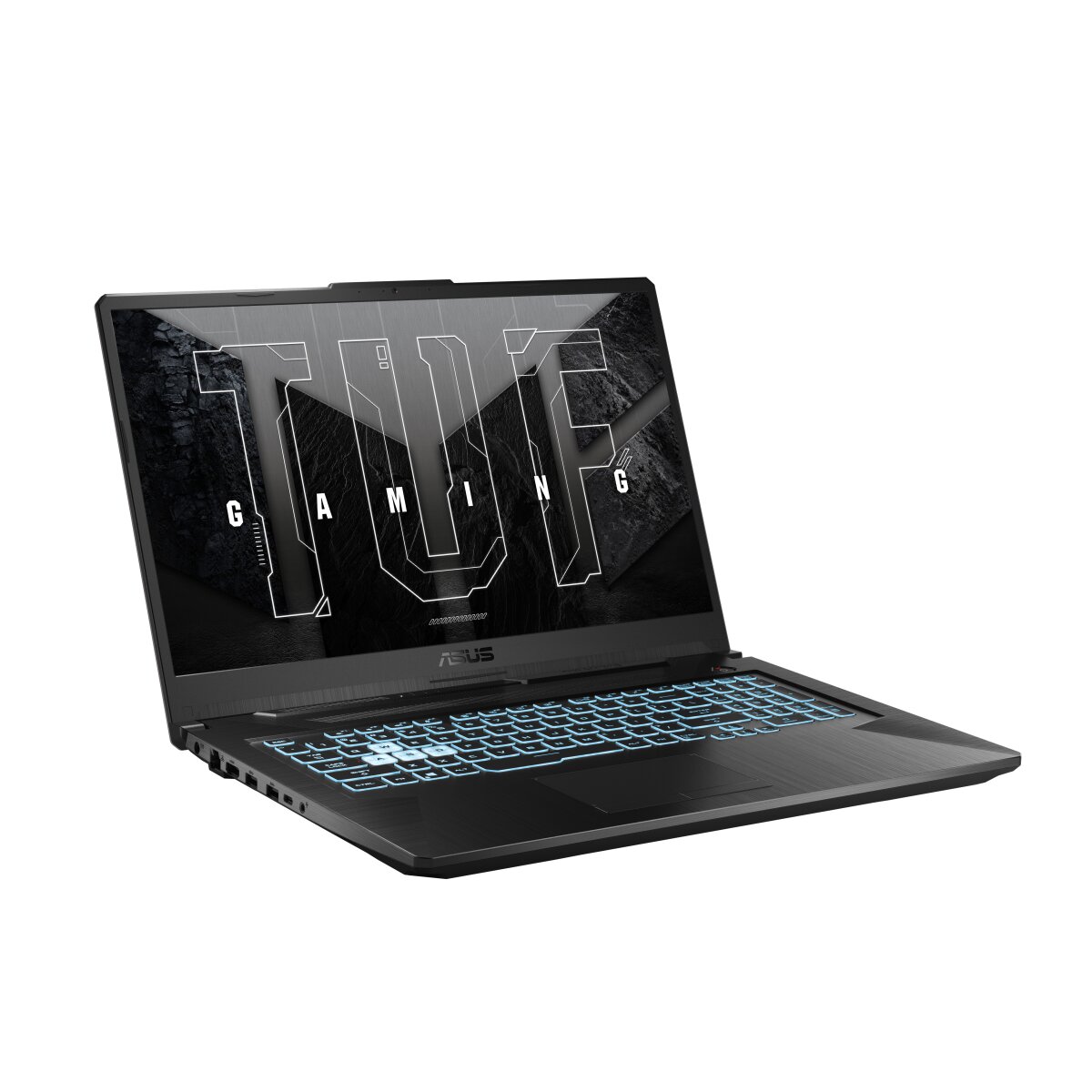
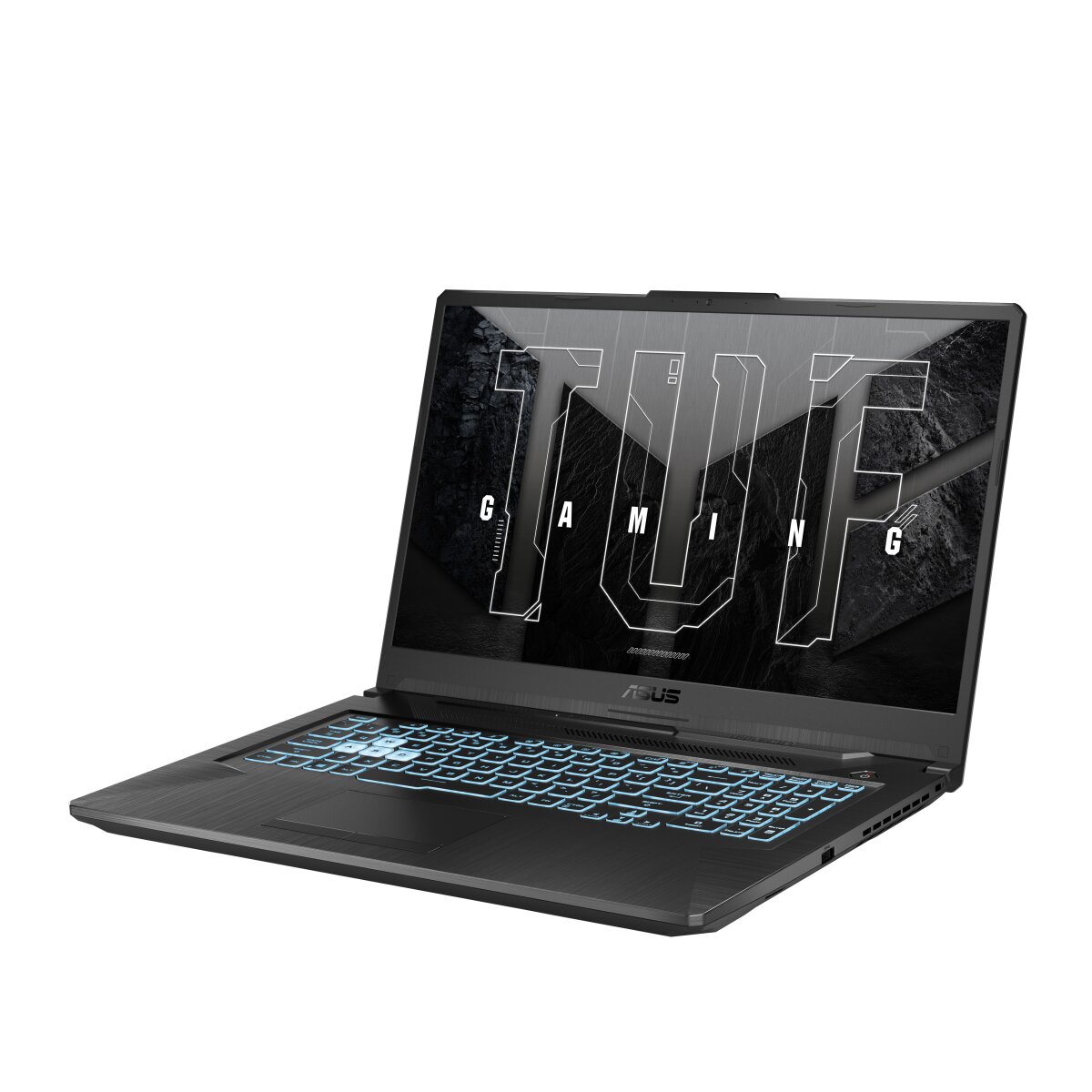
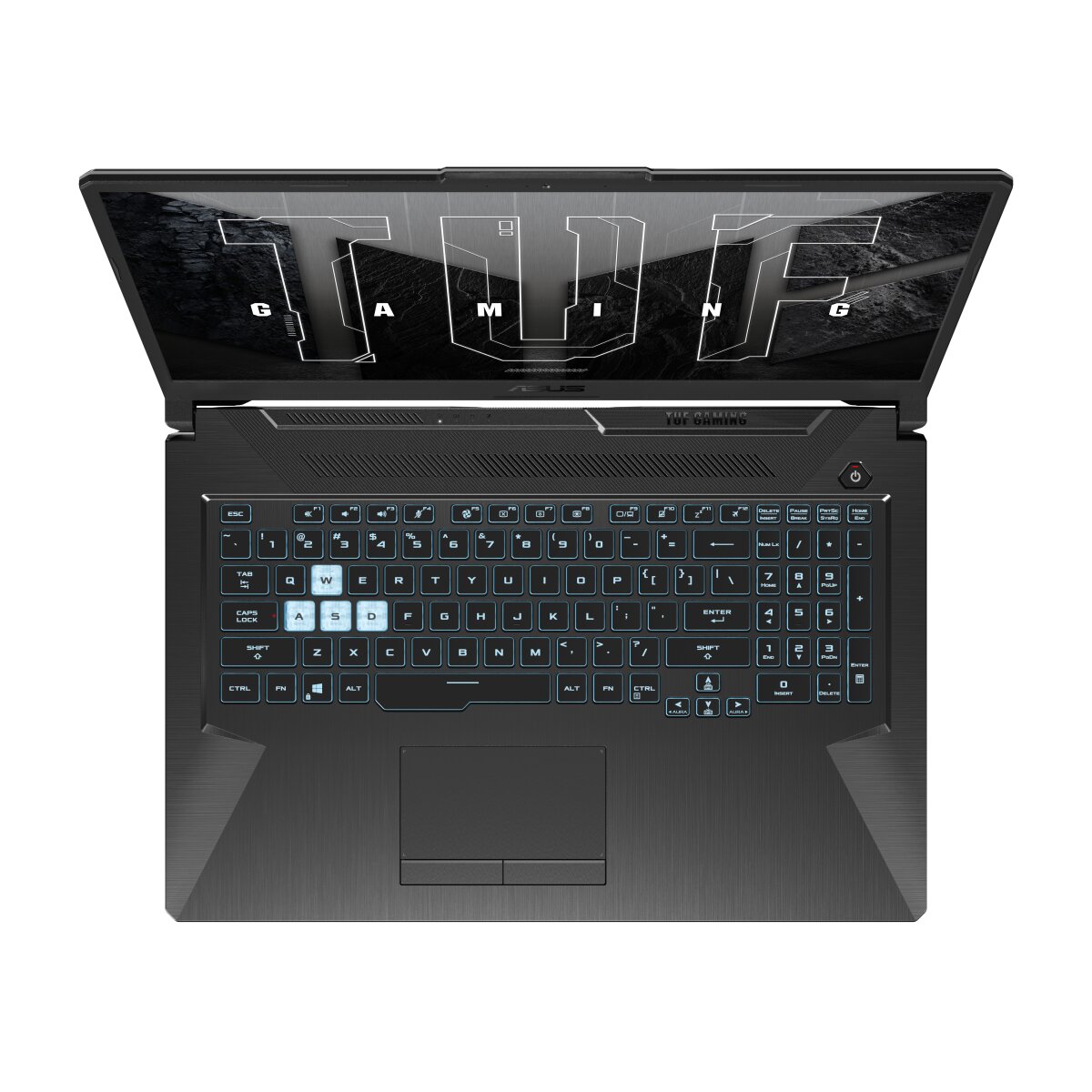
ASUS TUF Gaming F17 FX706HCB-HX152T laptop features DDR4-SDRAM memory upgrade capability through two SO-DIMM slots. Maximum memory capacity reaches 32 GB total with DDR4-3200 MHz specifications. Compatible memory upgrades utilize SO-DIMM form factor modules designed for this gaming laptop model. Memory expansion supports standard DDR4 DDR4-3200 compatible RAM specifications for enhanced system performance.
Memory Upgrade Specifications
| Specification | Value |
|---|---|
| Memory slots | 2x SO-DIMM |
| Form factor | SO-DIMM |
| Memory type | DDR4-SDRAM |
| Frequency | 3200 MHz |
| Maximum RAM | 32 GB |
| Voltage | 1.2V |
| Number of pins | 260-pin |
| Interface | PC4 |
| PC Speed Rating | PC4-3200 (PC4-25600) |
| Bandwidth | 25.6 GB/s |
| Laptop Release date | 17 September 2021 |
Additional Notes
- The dual-slot configuration indicates that achieving maximum capacity requires the removal of any existing factory modules to install 2 matching 16 GB units.
- Integrating high-speed components into the ASUS TUF Gaming FX706HCB-HX152T necessitates the use of unbuffered non-ECC modules to maintain system stability and POST compatibility.
- Utilizing synchronous DRAM at the rated frequency ensures the memory controller operates in a 1 to 1 mode, minimizing latency during heavy CPU-bound workloads.
- Populating both slots enables dual-channel memory architecture, effectively doubling the available bandwidth for the integrated graphics processor and various rendering tasks.
- Physical access to the SO-DIMM sockets requires the removal of the bottom chassis panel, which involves navigating internal plastic clips and varied screw lengths.
- Thermal constraints within the compact chassis suggest that modules equipped with thick aftermarket heat spreaders may interfere with the bottom casing or internal clearance.
- Adhering to the 32 GB limit prevents potential BIOS instability or failure to boot that occurs when addressing memory densities beyond the firmware-coded threshold.
- Matching the 3200 MHz frequency of both modules is necessary to avoid a system-wide downclocking to the slowest installed stick's speed.