ASUS TUF Gaming FX706HCB-HX147T RAM upgrade specifications
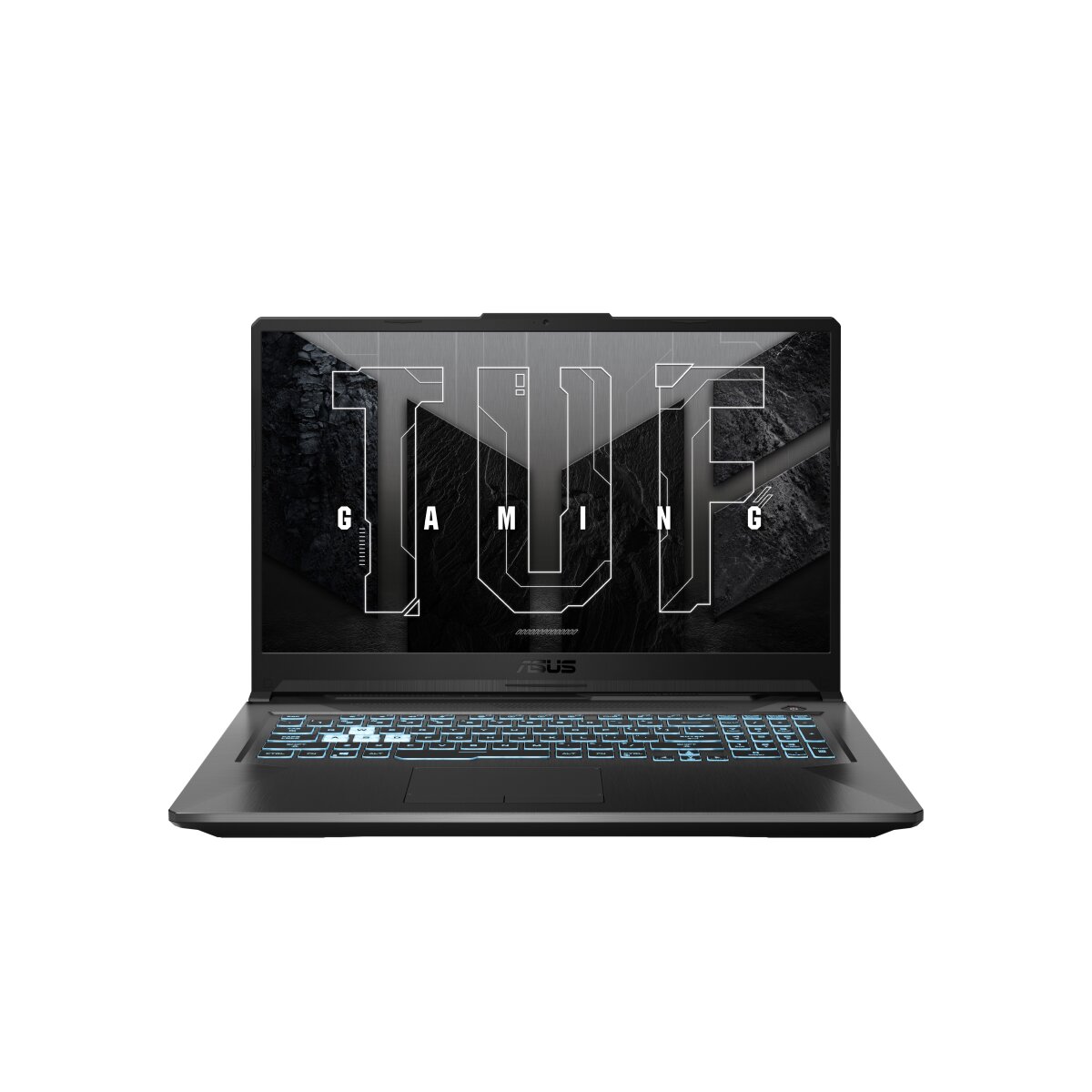
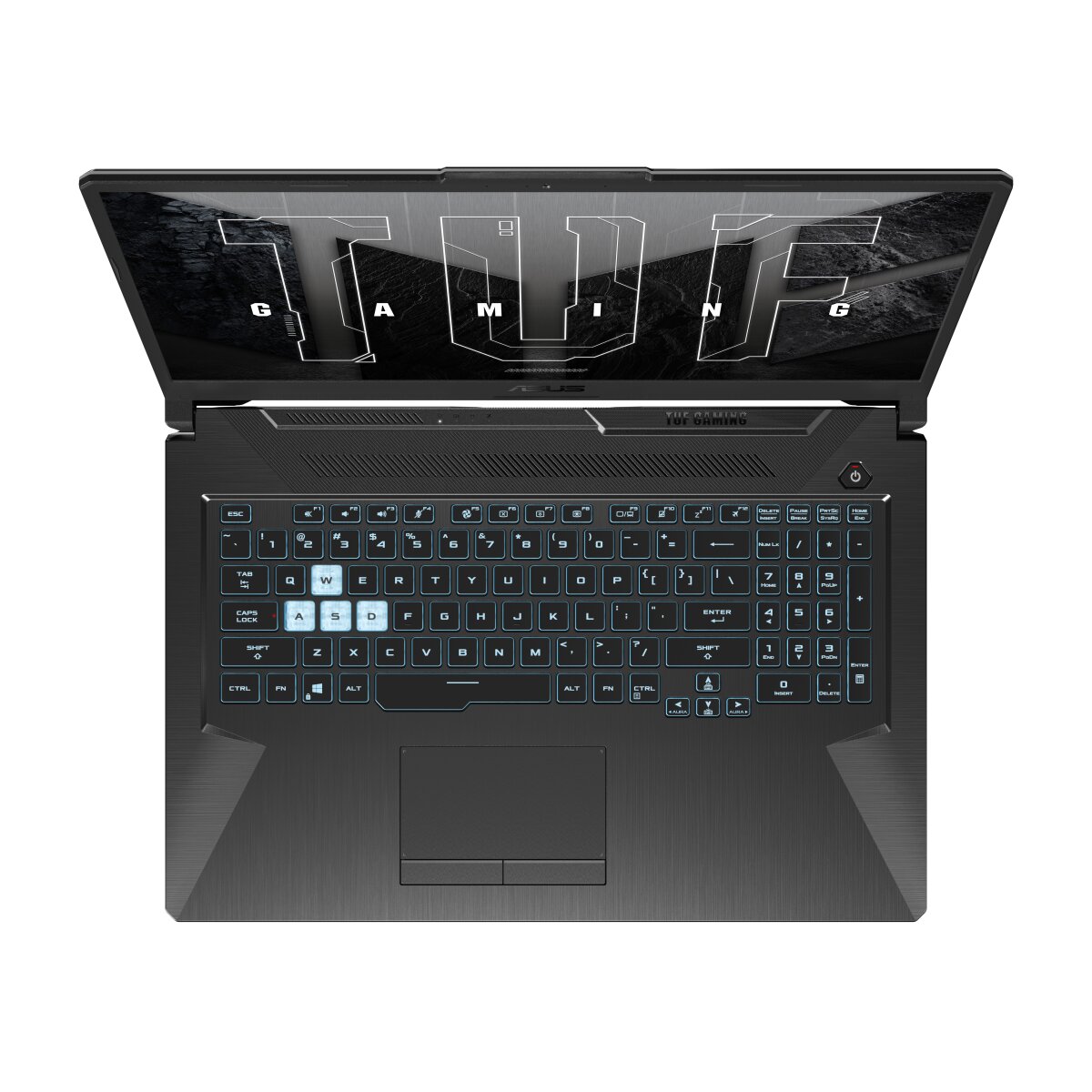

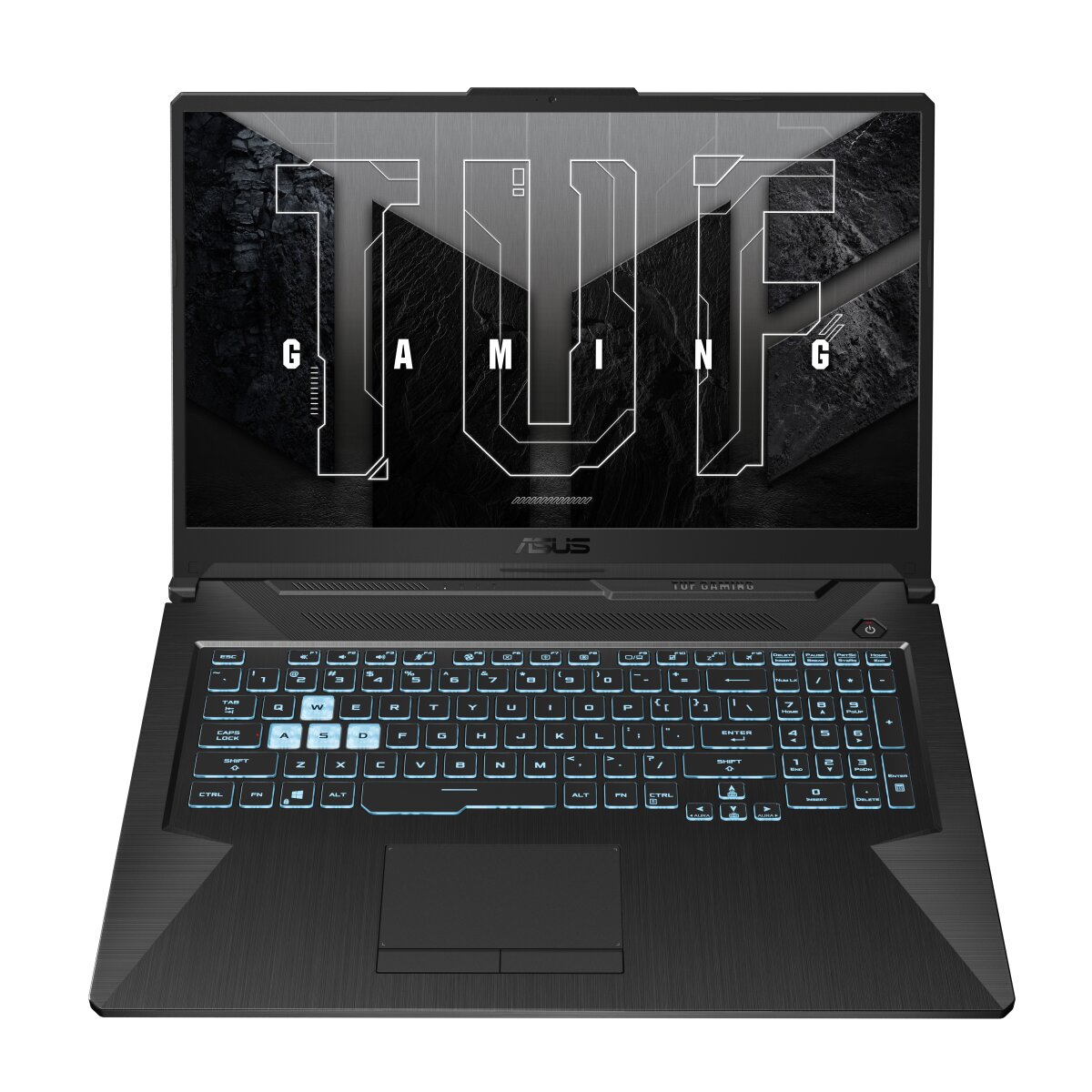
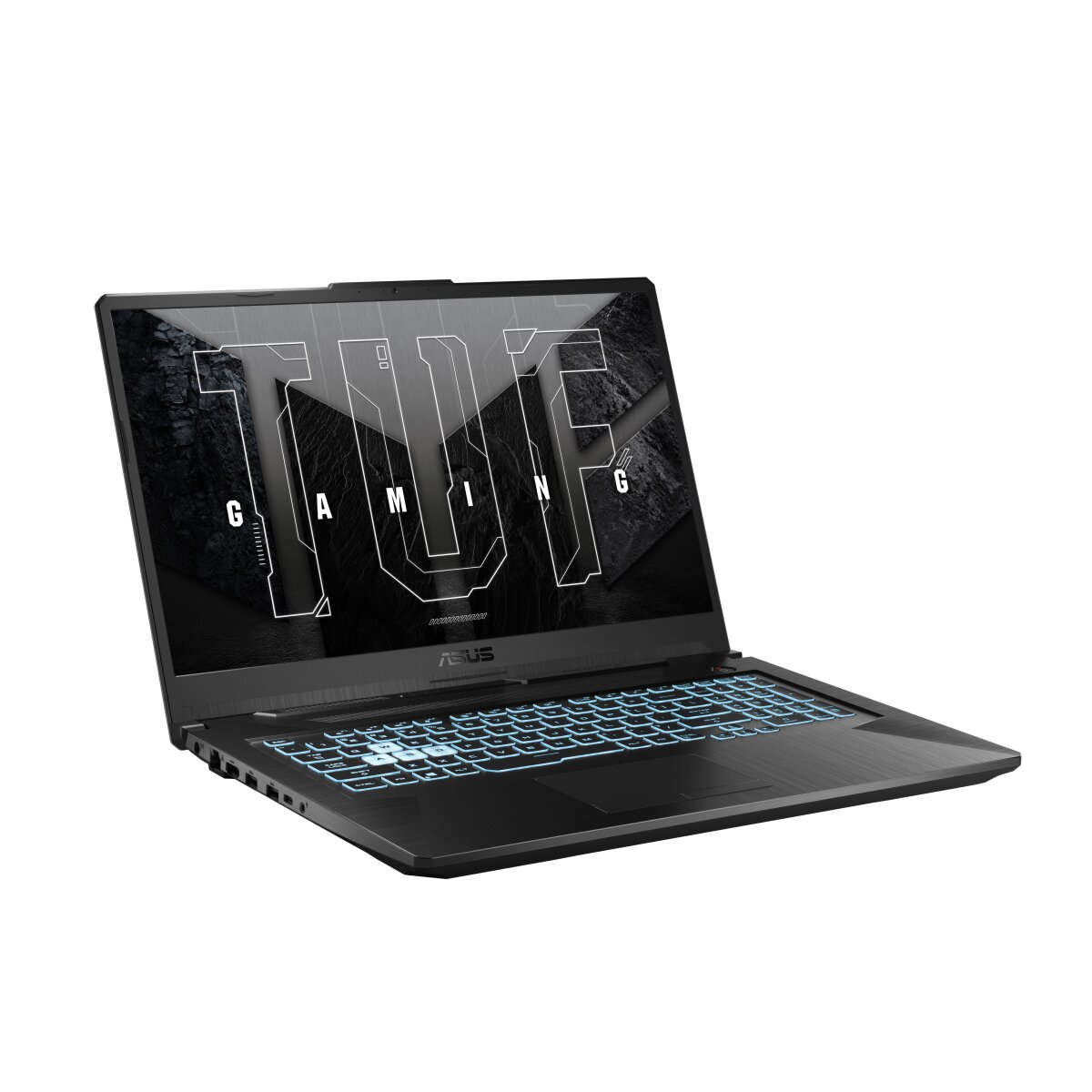
ASUS TUF Gaming F17 FX706HCB-HX147T memory upgrade specifications indicate compatible DDR4-SDRAM modules in SO-DIMM form factor. The laptop contains 2 memory slots supporting maximum RAM capacity of 32 GB total. Operating frequency specifications reach 3200 MHz. Memory upgrade compatibility requires DDR4-SDRAM SO-DIMM modules for optimal performance with these slots. Maximum expandable capacity represents the upgrade ceiling for this gaming laptop model.
Memory Upgrade Specifications
| Specification | Value |
|---|---|
| Memory slots | 2x SO-DIMM |
| Form factor | SO-DIMM |
| Memory type | DDR4-SDRAM |
| Frequency | 3200 MHz |
| Maximum RAM | 32 GB |
| Voltage | 1.2V |
| Number of pins | 260-pin |
| Interface | PC4 |
| PC Speed Rating | PC4-3200 (PC4-25600) |
| Bandwidth | 25.6 GB/s |
| Laptop Release date | 13 October 2021 |
Additional Notes
- The dual-slot configuration indicates that achieving maximum capacity requires the removal of any existing lower-density modules to avoid mismatching ranks.
- Operating 2 modules of identical capacity enables dual-channel mode, which significantly increases memory bandwidth for CPU-intensive tasks compared to single-channel setups.
- The 3200 MHz frequency ceiling ensures compatibility with JEDEC standard profiles, though modules with lower latency timings will improve 1 percent low frame rates in gaming scenarios.
- Physical access to the SO-DIMM slots in the ASUS TUF Gaming FX706HCB-HX147T necessitates the removal of the entire base panel, which requires a Philips head screwdriver and a plastic prying tool to avoid chassis damage.
- The 32 GB limit is a firmware-defined threshold that prevents the use of 32 GB high-density sticks in a single slot for a 64 GB total configuration.
- Using 1.2V sticks is mandatory as the motherboard lacks the voltage control options found in desktop BIOS environments to support high-voltage overclocked memory.
- Thermal management remains a factor during extended workloads because the memory lacks dedicated heat spreaders and relies on internal chassis airflow for heat dissipation.
- Replacing factory components with aftermarket parts is generally permitted under standard warranty terms provided no physical damage occurs to the internal headers or surrounding surface-mounted devices during installation.