ASUS TUF Gaming FX706HCB-HX147W RAM upgrade specifications

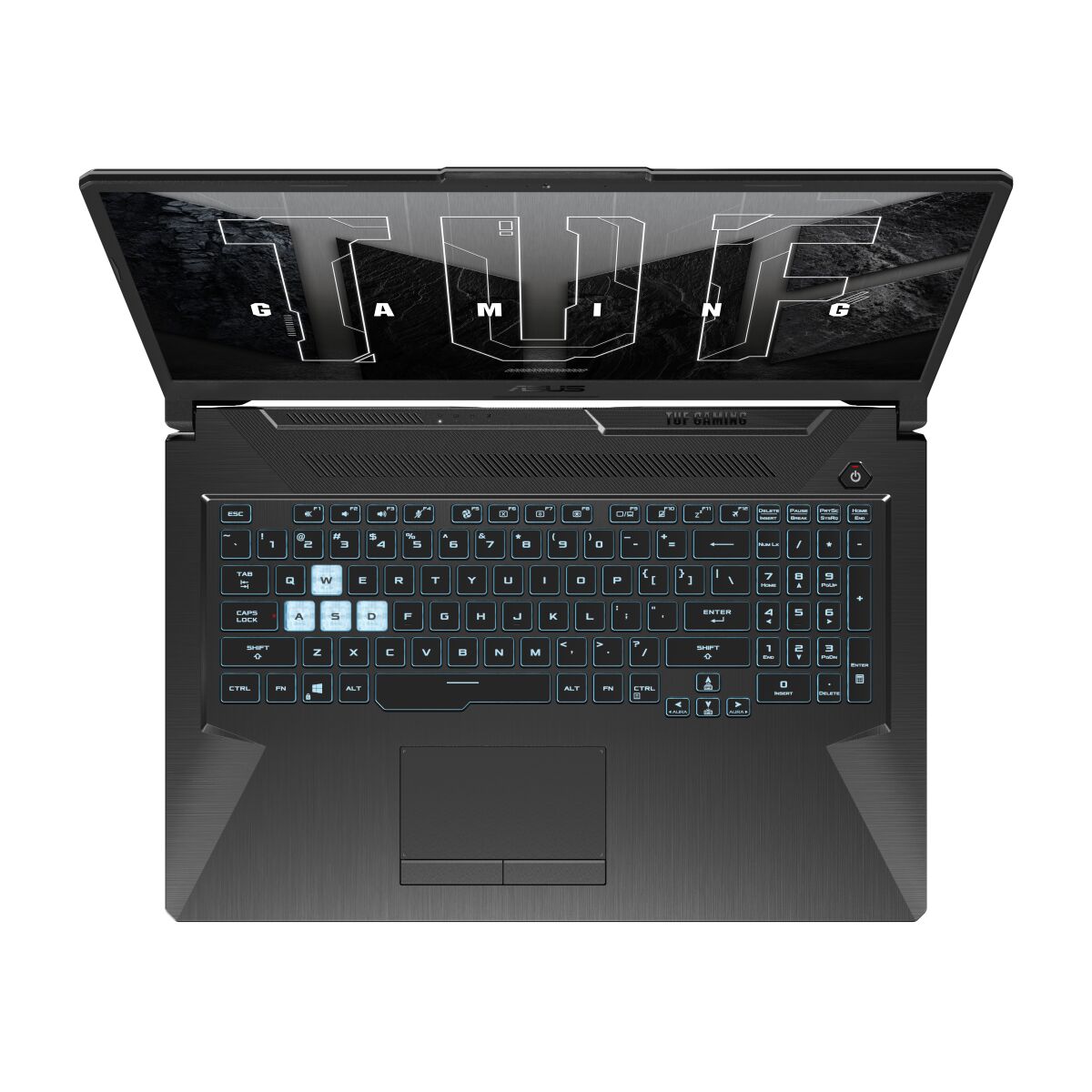

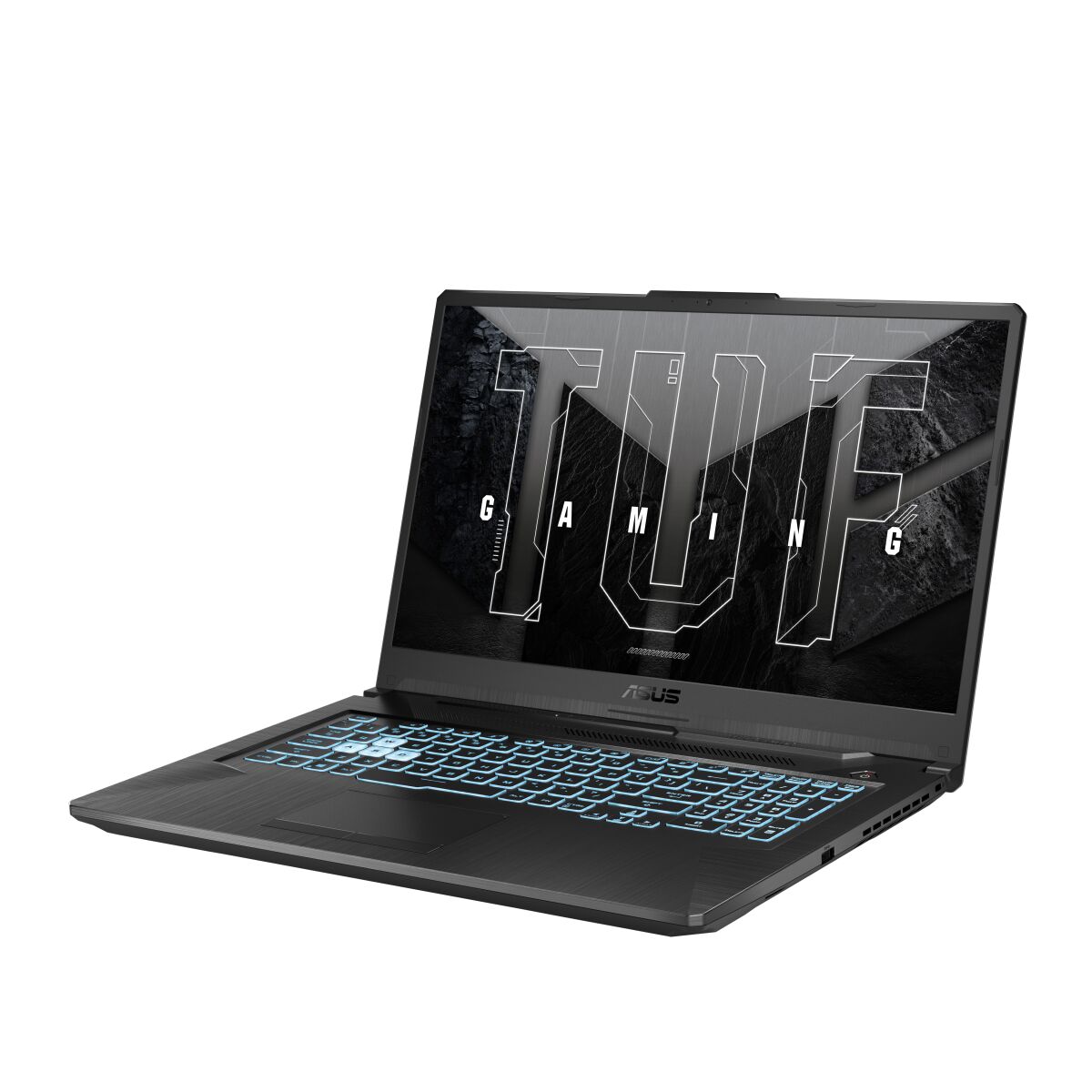
The ASUS TUF Gaming F17 FX706HCB-HX147W features DDR4-SDRAM memory with 2x SO-DIMM slots for RAM upgrades. The laptop supports maximum memory capacity of 32 GB, with compatible modules operating at 3200 MHz frequency. SO-DIMM form factor specifications define the physical dimensions required for memory module installation. Users seeking to expand system memory capacity must select DDR4 SO-DIMM modules compatible with the FX706HCB-HX147W platform specifications to achieve optimal performance within the maximum supported RAM configuration.
Memory Upgrade Specifications
| Specification | Value |
|---|---|
| Memory slots | 2x SO-DIMM |
| Form factor | SO-DIMM |
| Memory type | DDR4-SDRAM |
| Frequency | 3200 MHz |
| Maximum RAM | 32 GB |
| Voltage | 1.2V |
| Number of pins | 260-pin |
| Interface | PC4 |
| PC Speed Rating | PC4-3200 (PC4-25600) |
| Bandwidth | 25.6 GB/s |
| Laptop Release date | 25 January 2022 |
Additional Notes
- The 32 GB maximum capacity indicates a chipset limitation that prevents recognition of higher-density modules, making 64 GB configurations incompatible regardless of physical installation.
- The SO-DIMM form factor requirement excludes standard desktop DIMM modules, which are physically longer and use different pin configurations that will not fit the laptop's memory slots.
- The 3200 MHz specification represents the maximum officially supported frequency, meaning faster modules will downclock automatically to this speed without providing performance benefits.
- Installing mixed-speed modules forces both to operate at the slower module's frequency, creating an artificial bottleneck that negates the cost premium of faster memory.
- The dual-channel configuration with 2 slots requires matched module capacities to maintain optimal bandwidth, as asymmetric configurations may force single-channel operation on the excess capacity.
- DDR4 voltage compatibility must remain at the JEDEC standard 1.2V specification, as XMP profiles requiring 1.35V or higher may cause instability or boot failures in laptop implementations.
- The ASUS TUF Gaming FX706HCB-HX147W uses non-ECC unbuffered memory architecture, making registered or error-correcting modules incompatible with the mobile platform's memory controller.
- CAS latency variations within DDR4-3200 modules produce measurable but minor real-world performance differences in gaming scenarios, typically under 3% in frame rate metrics.
- Warranty preservation requires avoiding physical damage to the slot retention clips during installation, as these plastic components are considered user-serviceable parts under most manufacturer policies.
- Thermal considerations in the chassis design may throttle sustained memory-intensive workloads when both slots are populated with maximum-capacity modules generating combined heat output.
- Single-rank versus dual-rank module architecture at identical capacities affects memory interleaving efficiency, with dual-rank configurations sometimes providing 5-10% throughput improvements in specific applications.