ASUS TUF Gaming FX706HCB-HX152W-BE RAM upgrade specifications



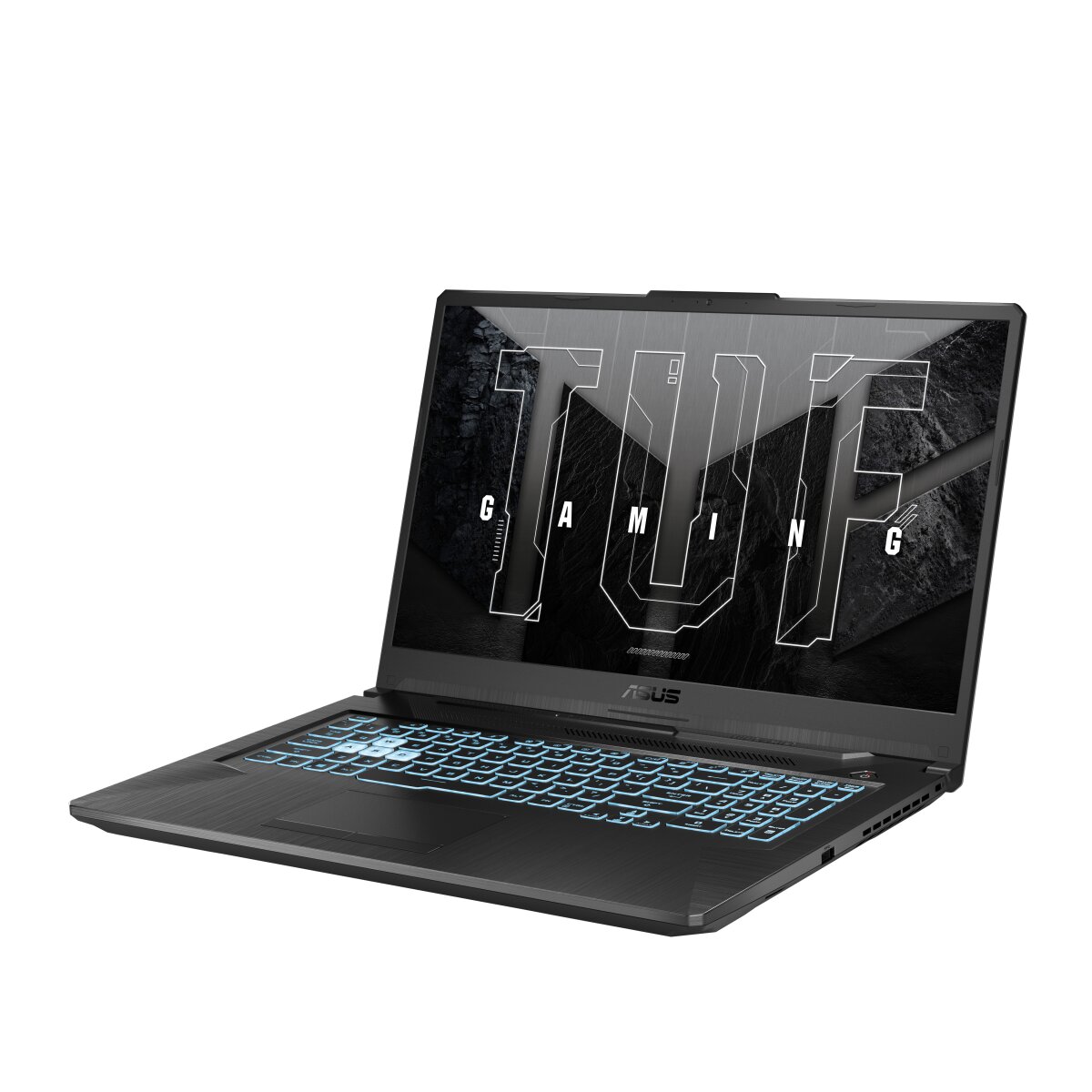
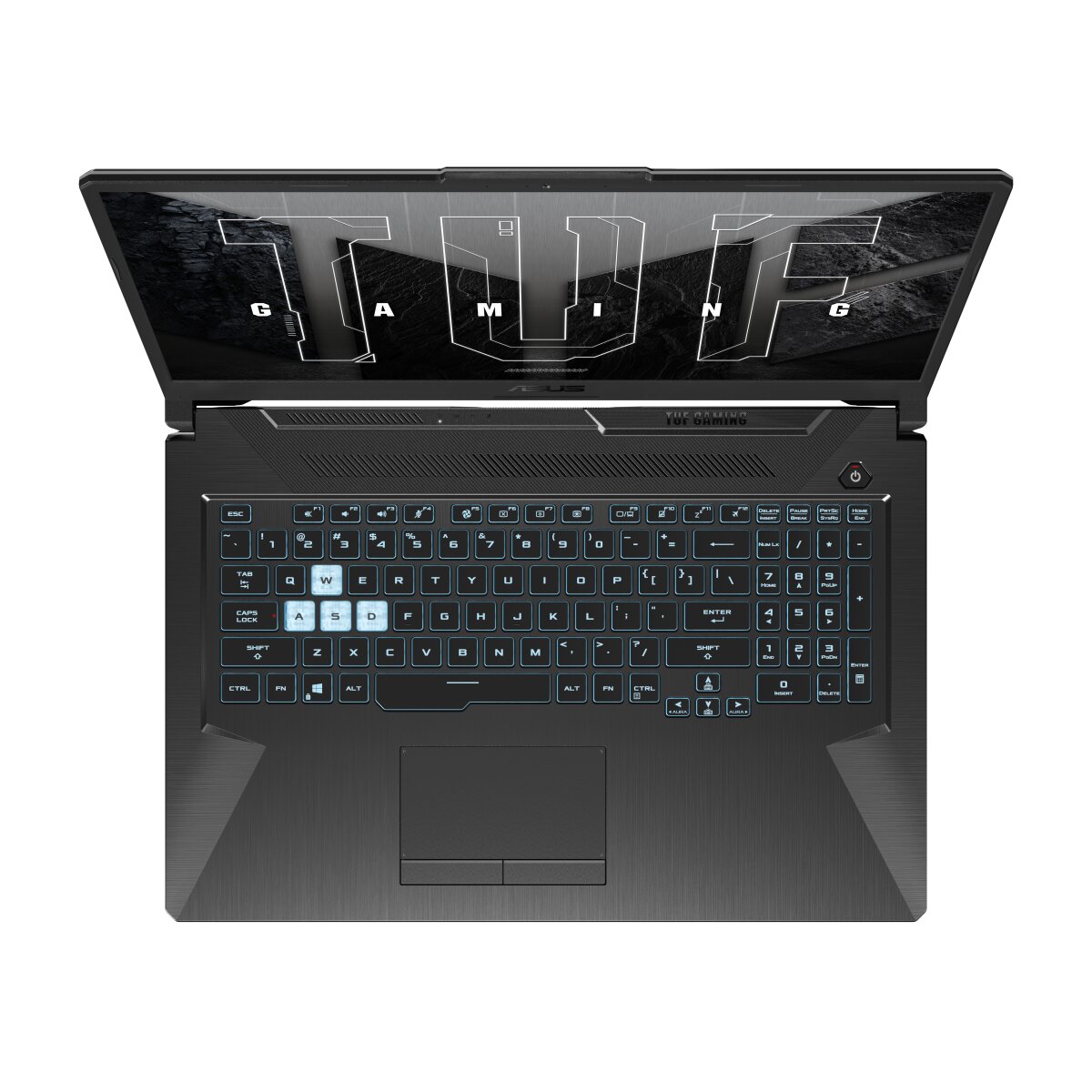
The ASUS TUF Gaming FX706HCB-HX152W-BE features DDR4-SDRAM memory specifications with two SO-DIMM slots supporting a maximum capacity of 32 GB. The laptop utilizes SO-DIMM form factor modules operating at 3200 MHz frequency. Compatible RAM upgrades for this series enable users to enhance memory capacity up to the maximum specifications. The FX706HCB-HX152W-BE F17 model supports DDR4 memory expansion through dual upgrade slots, allowing configuration flexibility for improved multitasking performance and system responsiveness.
Memory Upgrade Specifications
| Specification | Value |
|---|---|
| Memory slots | 2x SO-DIMM |
| Form factor | SO-DIMM |
| Memory type | DDR4-SDRAM |
| Frequency | 3200 MHz |
| Maximum RAM | 32 GB |
| Voltage | 1.2V |
| Number of pins | 260-pin |
| Interface | PC4 |
| PC Speed Rating | PC4-3200 (PC4-25600) |
| Bandwidth | 25.6 GB/s |
| Laptop Release date | 07 October 2021 |
Additional Notes
- The ASUS TUF Gaming FX706HCB-HX152W-BE accepts only SO-DIMM modules, preventing desktop-class DIMM memory from being installed regardless of matching specifications.
- The 32 GB maximum capacity constrains workloads requiring larger memory footprints, such as virtual machine deployment or large dataset processing, to remain within this ceiling.
- Both SO-DIMM slots support dual-channel operation when populated with matched modules, delivering theoretical bandwidth of 51.2 GB/s compared to 25.6 GB/s in single-channel configuration.
- Memory modules running below 3200 MHz will function but reduce peak throughput proportionally, creating potential bottlenecks in bandwidth-sensitive applications like video editing or 3D rendering.
- Standard SO-DIMM height clearance requirements apply, though low-profile modules are typically unnecessary in gaming laptop chassis designed for thermal headroom.
- DDR4 voltage specifications at 1.2V remain consistent across consumer modules, eliminating compatibility concerns related to power delivery for this generation.
- Mixing modules with different speeds forces all installed memory to operate at the lowest common frequency, potentially underutilizing faster modules already present.
- Accessing the SO-DIMM slots requires bottom panel removal, which typically falls outside warranty violation territory when performed without physical damage to seals or components.
- The 3200 MHz frequency ceiling prevents utilizing faster DDR4 modules rated at 3600 MHz or beyond, as the memory controller enforces downclocking to supported speeds.
- Single-rank versus dual-rank module architecture affects performance in memory-intensive scenarios, with dual-rank configurations occasionally providing marginal throughput improvements at matched capacities.