ASUS TUF Gaming FX706HCB-HX229W RAM upgrade specifications
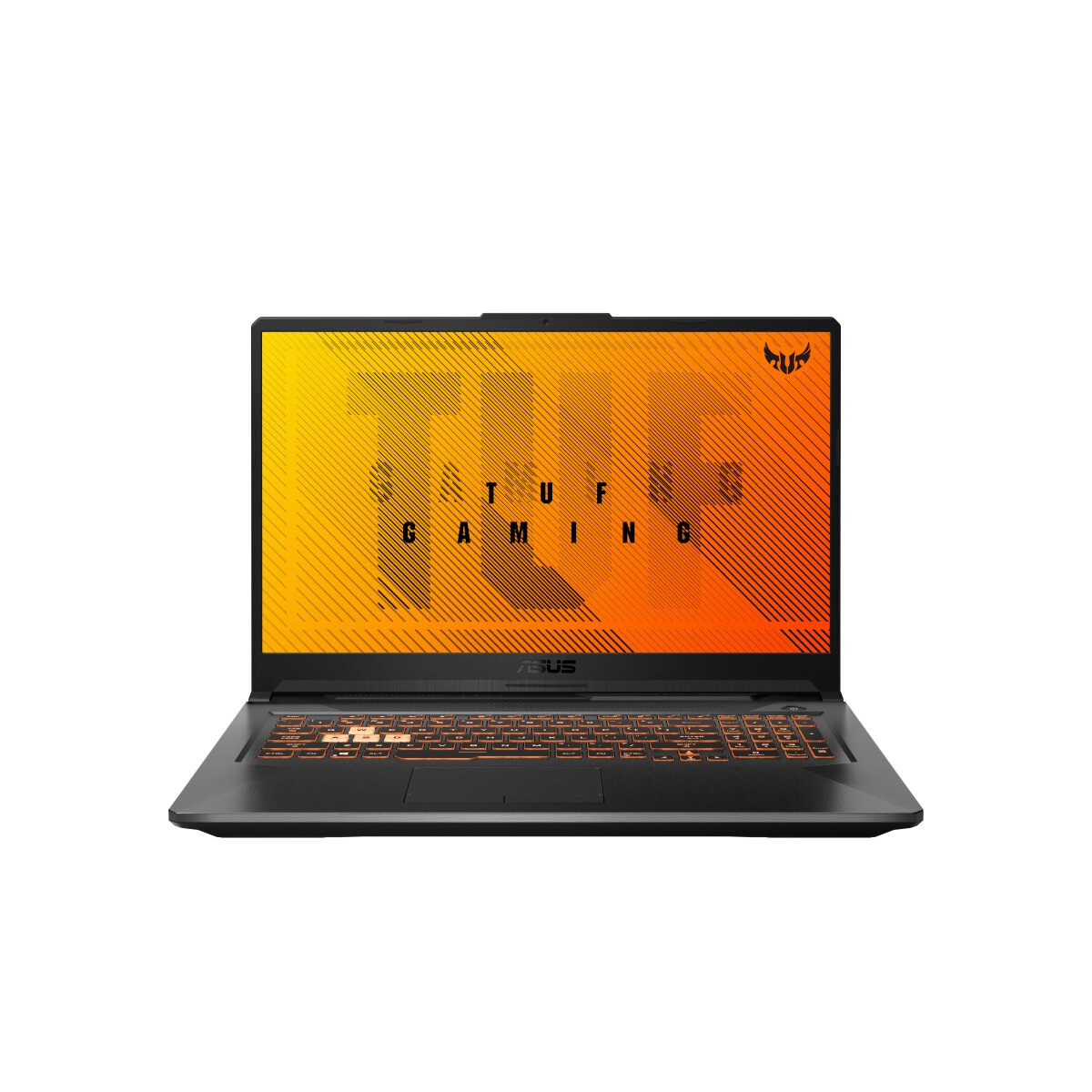
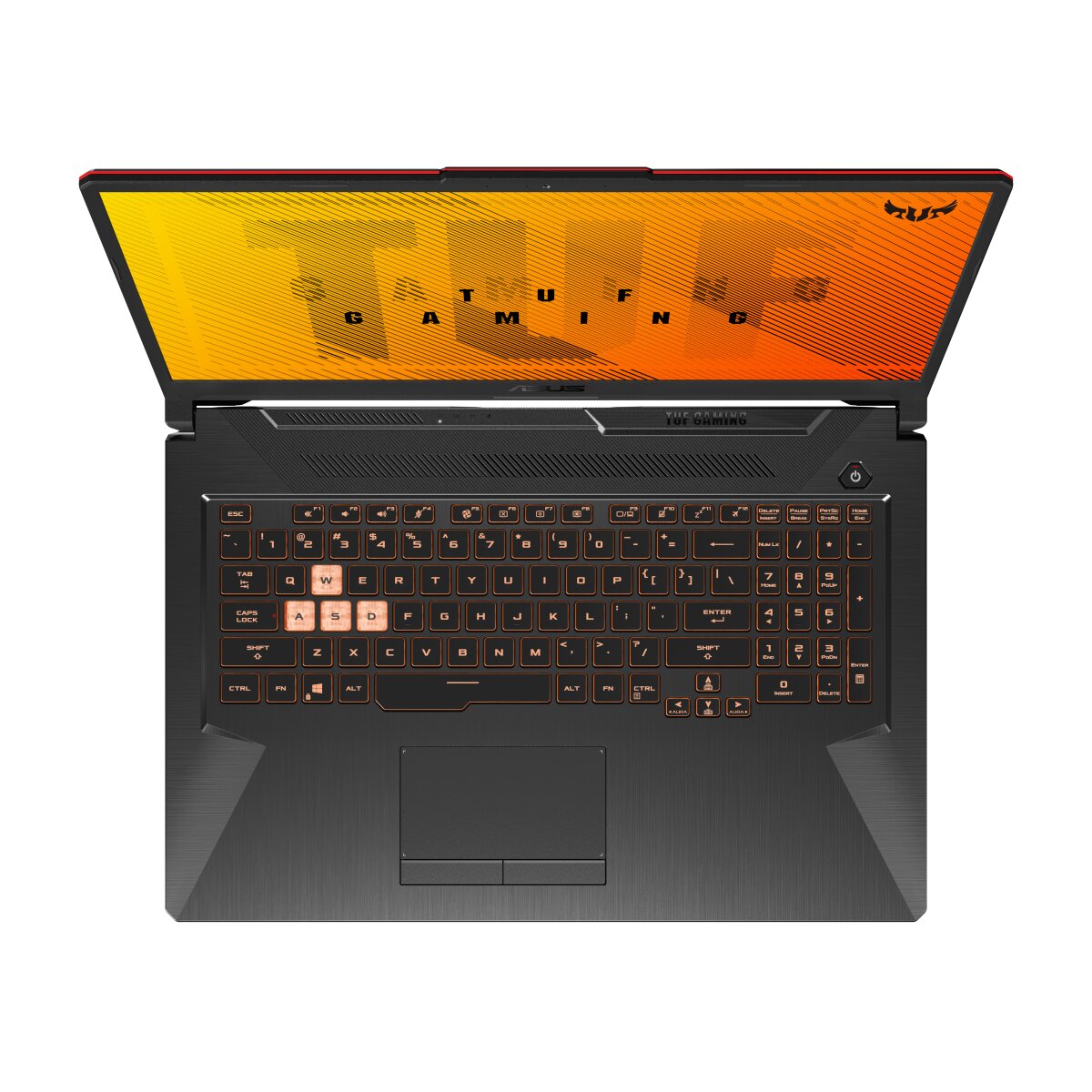

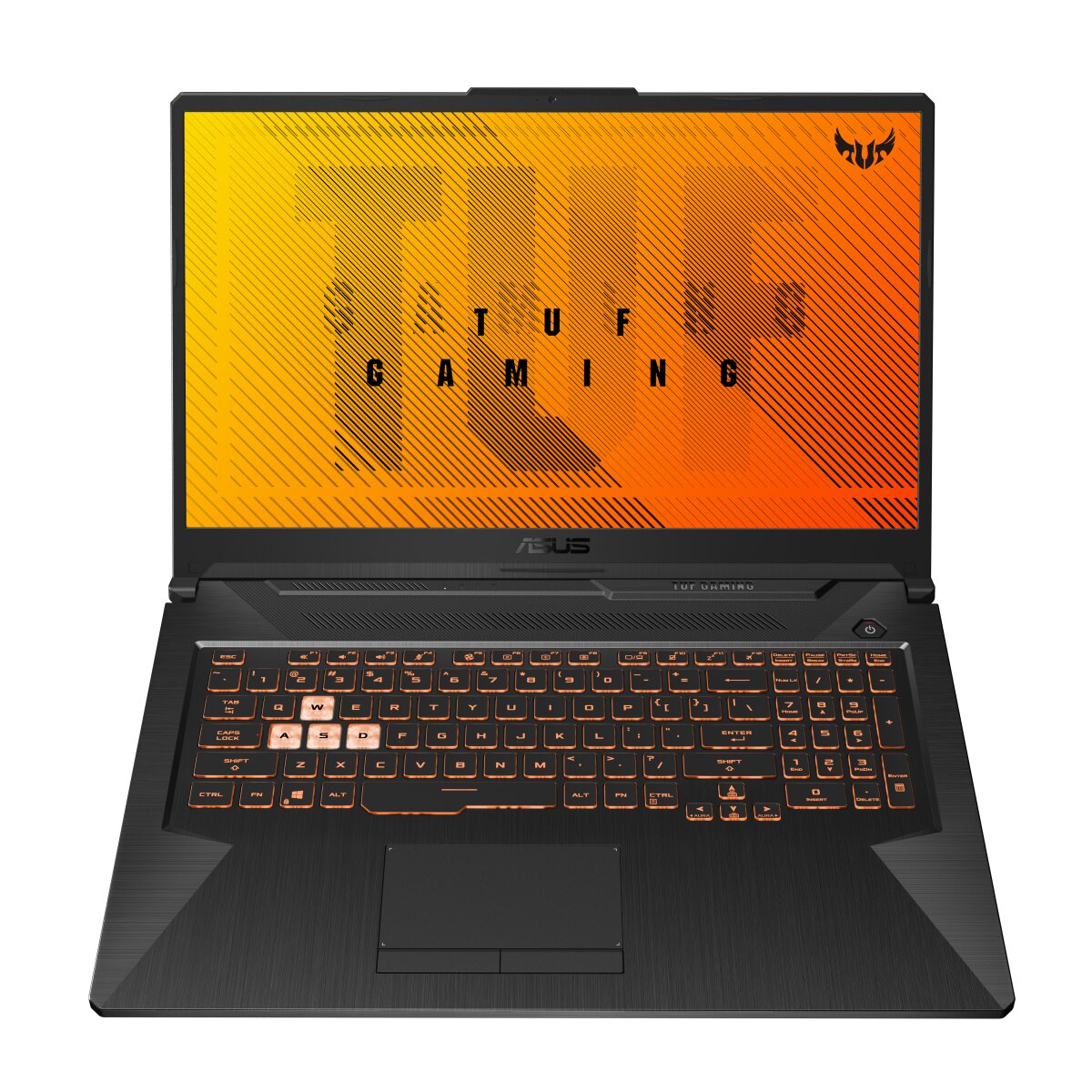
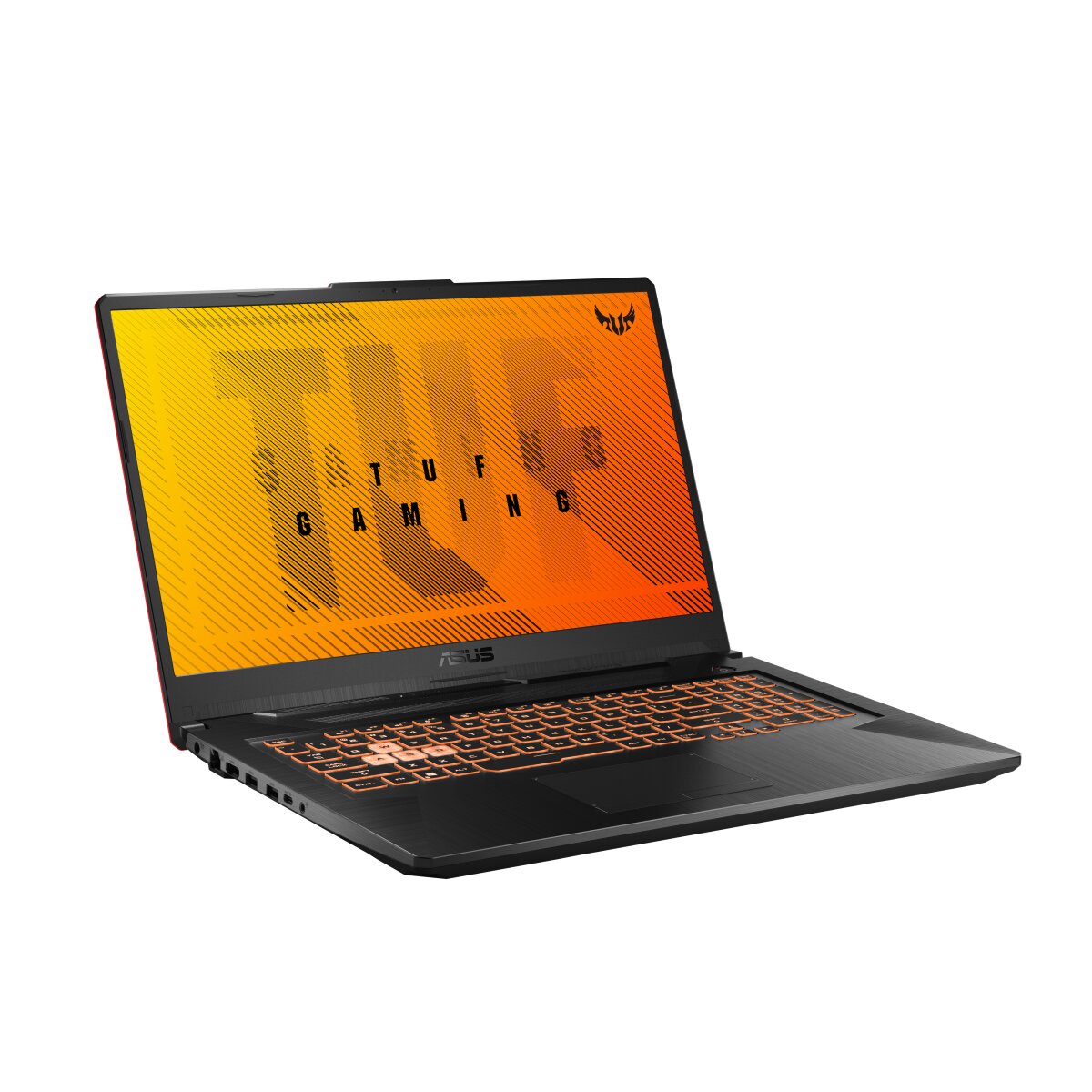
The ASUS TUF Gaming F17 FX706HCB-HX229W features two SO-DIMM slots supporting DDR4-SDRAM memory upgrades. The laptop supports a maximum RAM capacity of 32 GB total, with compatible modules operating at 3200 MHz frequency. Memory upgrades utilize the SO-DIMM form factor, enabling users to expand the system's memory specifications according to performance requirements. Current and future memory configurations must comply with the specifications listed for optimal compatibility and system stability.
Memory Upgrade Specifications
| Specification | Value |
|---|---|
| Memory slots | 2x SO-DIMM |
| Form factor | SO-DIMM |
| Memory type | DDR4-SDRAM |
| Frequency | 3200 MHz |
| Maximum RAM | 32 GB |
| Voltage | 1.2V |
| Number of pins | 260-pin |
| Interface | PC4 |
| PC Speed Rating | PC4-3200 (PC4-25600) |
| Bandwidth | 25.6 GB/s |
Additional Notes
- The ASUS TUF Gaming FX706HCB-HX229W supports a maximum of 32 GB across both slots, which translates to a 16 GB per slot limitation enforced by chipset addressing capabilities.
- DDR4-3200 represents the highest JEDEC-standard frequency that maintains full compatibility without requiring XMP profile activation or BIOS intervention.
- SO-DIMM modules operate at 1.2V standard voltage, and installing higher-voltage variants may trigger POST failures or force the system to downclock memory speeds.
- Both slots must be populated with matched-density modules to enable dual-channel mode, as asymmetric configurations default to single-channel operation with approximately 30% reduced memory bandwidth.
- Installing non-native DDR4-3200 modules rated at higher frequencies will result in automatic downclocking to 3200 MHz, as the memory controller enforces this speed ceiling regardless of module specifications.
- The 260-pin SO-DIMM standard requires modules with physical dimensions not exceeding 69.6 mm in length and 30 mm in height to fit within the chassis clearance.
- Memory upgrades performed through the bottom access panel typically preserve manufacturer warranty coverage, unlike modifications requiring full disassembly or thermal component removal.
- CAS latency variations between CL22 and CL16 modules at 3200 MHz produce measurable differences in memory-intensive workloads, though gaming performance remains largely unaffected.
- Mixing modules with different ranks (single-rank and dual-rank) forces the memory controller to operate all modules at single-rank timings, potentially degrading performance on the dual-rank module.
- The 3200 MHz frequency specification indicates DDR4-25600 peak bandwidth per channel, delivering 51.2 GB/s theoretical maximum when both channels operate simultaneously.