ASUS TUF Gaming FX706HCB-HX228W RAM upgrade specifications

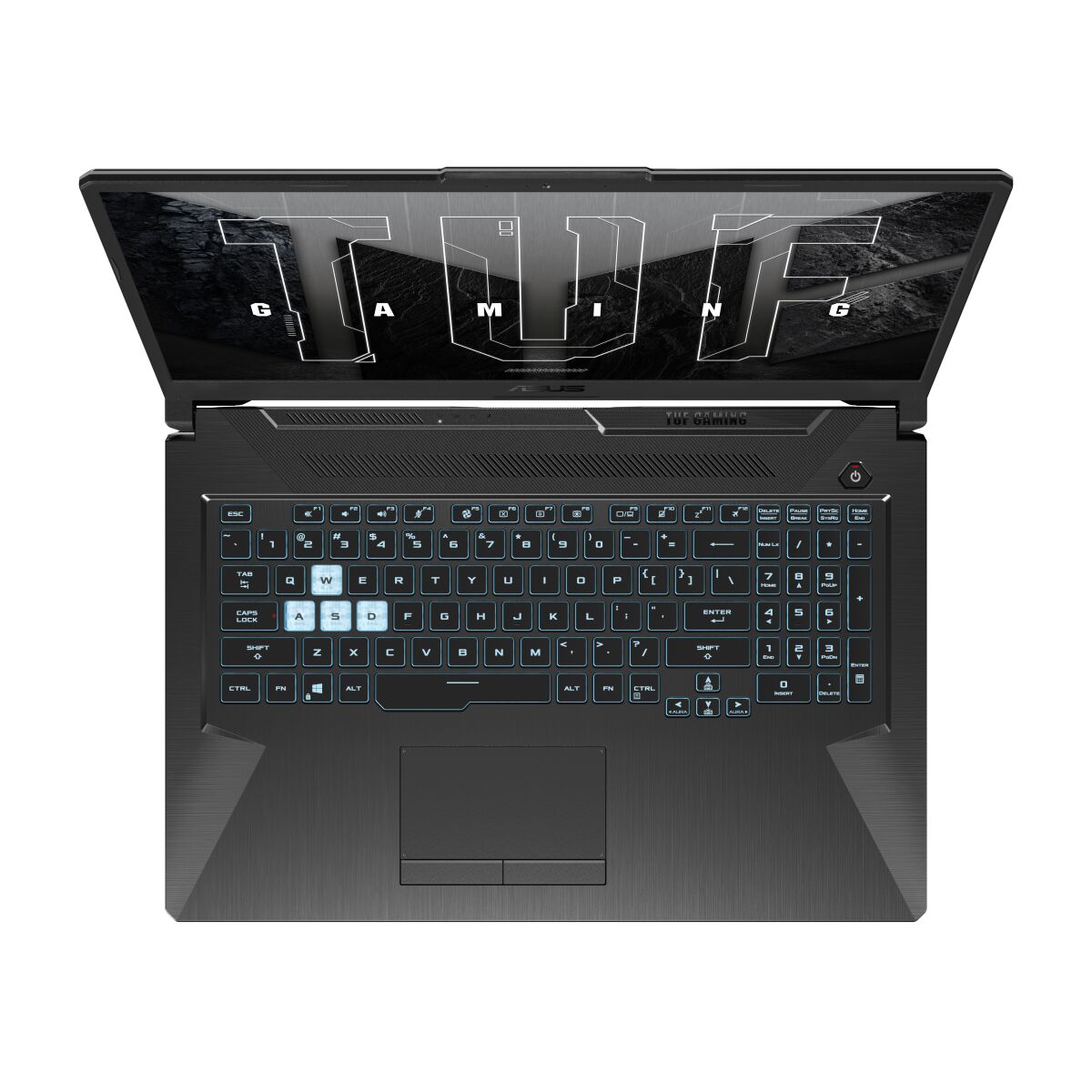
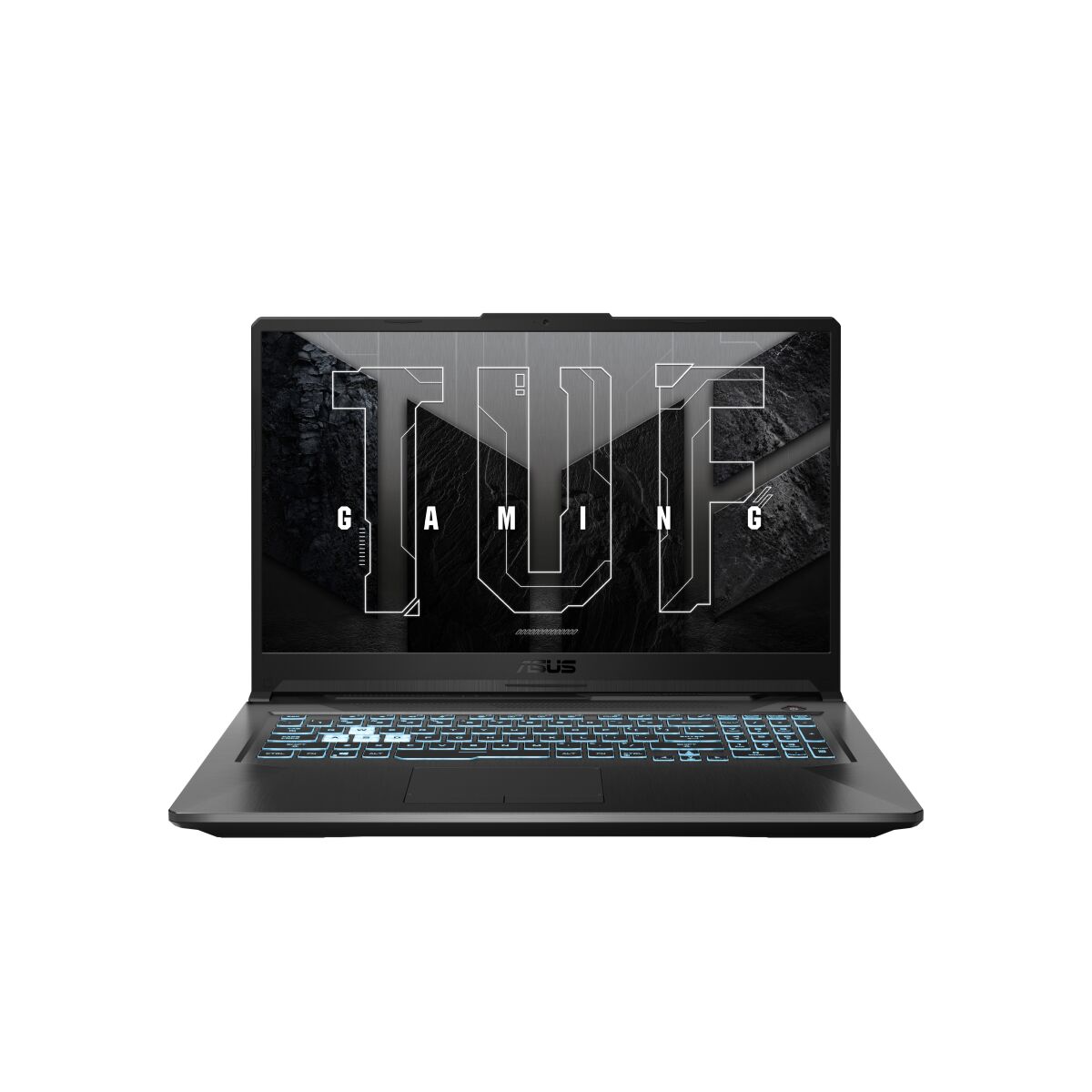
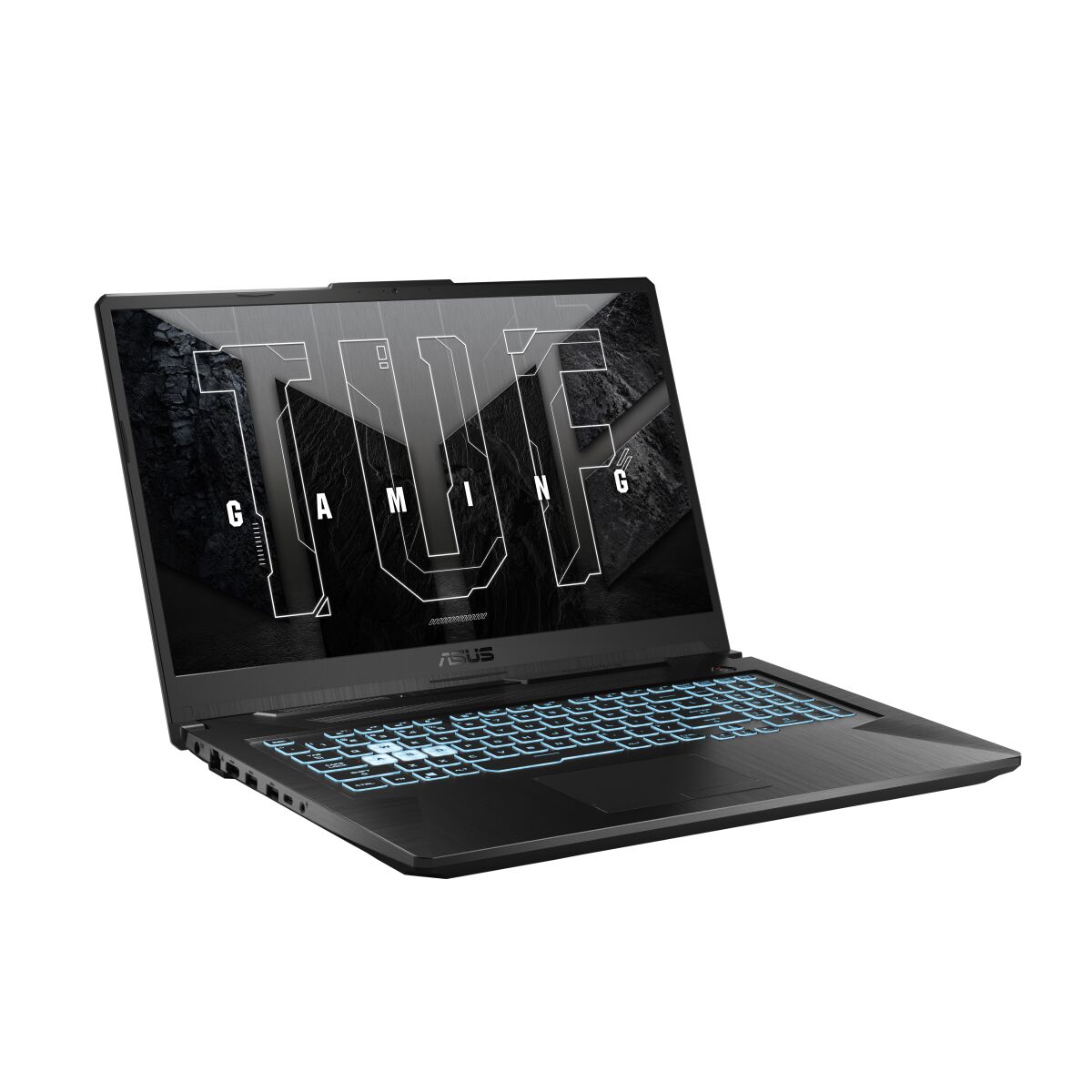
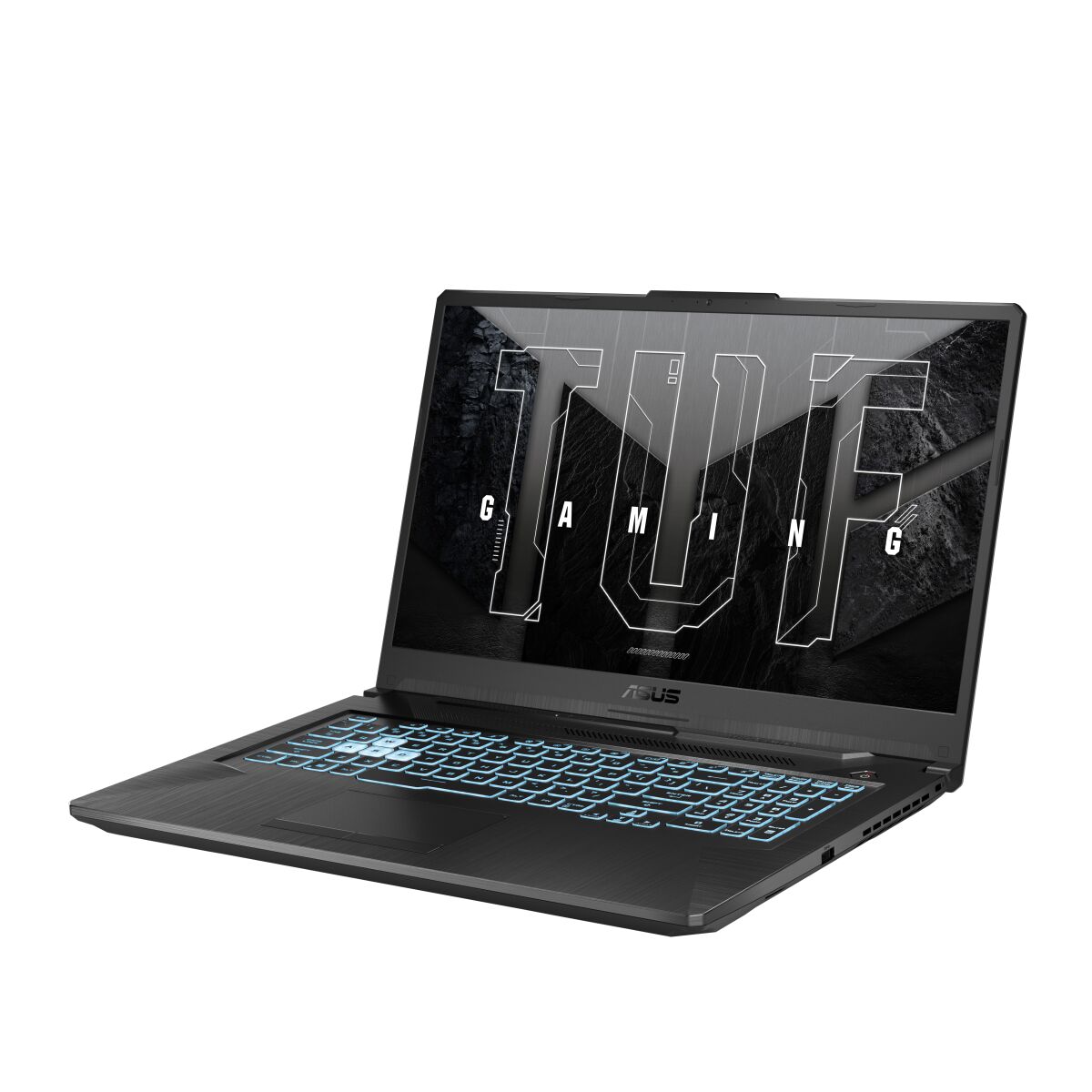
The ASUS TUF Gaming F17 FX706HCB-HX228W laptop features DDR4-SDRAM memory upgrade capabilities. The system contains 2 SO-DIMM slots for memory expansion, supporting a maximum RAM capacity of 32 GB total. Compatible memory modules operate at 3200 MHz frequency specifications. Upgrade options allow users to expand the laptop's memory configuration to enhance multitasking performance and overall system responsiveness for computing tasks.
Memory Upgrade Specifications
| Specification | Value |
|---|---|
| Memory slots | 2x SO-DIMM |
| Form factor | SO-DIMM |
| Memory type | DDR4-SDRAM |
| Frequency | 3200 MHz |
| Maximum RAM | 32 GB |
| Voltage | 1.2V |
| Number of pins | 260-pin |
| Interface | PC4 |
| PC Speed Rating | PC4-3200 (PC4-25600) |
| Bandwidth | 25.6 GB/s |
| Laptop Release date | 20 January 2022 |
Additional Notes
- The ASUS TUF Gaming FX706HCB-HX228W contains 2 SO-DIMM slots operating at 3200 MHz, meaning both slots must be populated simultaneously to achieve dual-channel memory bandwidth. Single-slot population results in single-channel operation and reduced throughput for gaming and content creation workloads.
- DDR4-3200 memory modules are widely available and cost-effective due to market saturation, but purchasing matched pairs ensures JEDEC compatibility and eliminates potential timing conflicts that arise when mixing different manufacturers or production batches.
- The 32 GB maximum capacity ceiling accommodates current gaming requirements and moderate multitasking, but professional workflows involving 4K video editing, 3D rendering, or virtual machine arrays will encounter memory pressure beyond this threshold, creating a future upgrade dead-end.
- SO-DIMM form factor necessitates laptop-specific memory modules rather than desktop DDR4 equivalents, restricting component sourcing to specialty retailers and inflating per-gigabyte costs relative to standard DIMM alternatives.
- Memory frequency cannot be overclocked on this platform due to firmware constraints typical in consumer gaming laptops, locking performance at the 3200 MHz JEDEC standard regardless of module ratings above this specification.
- Thermal throttling of the memory controller may occur during sustained gaming sessions if system cooling becomes compromised, effectively reducing effective bandwidth below rated specifications without warning or visible frequency downstep indicators.