ASUS TUF Gaming FX706HE-HX012T RAM upgrade specifications




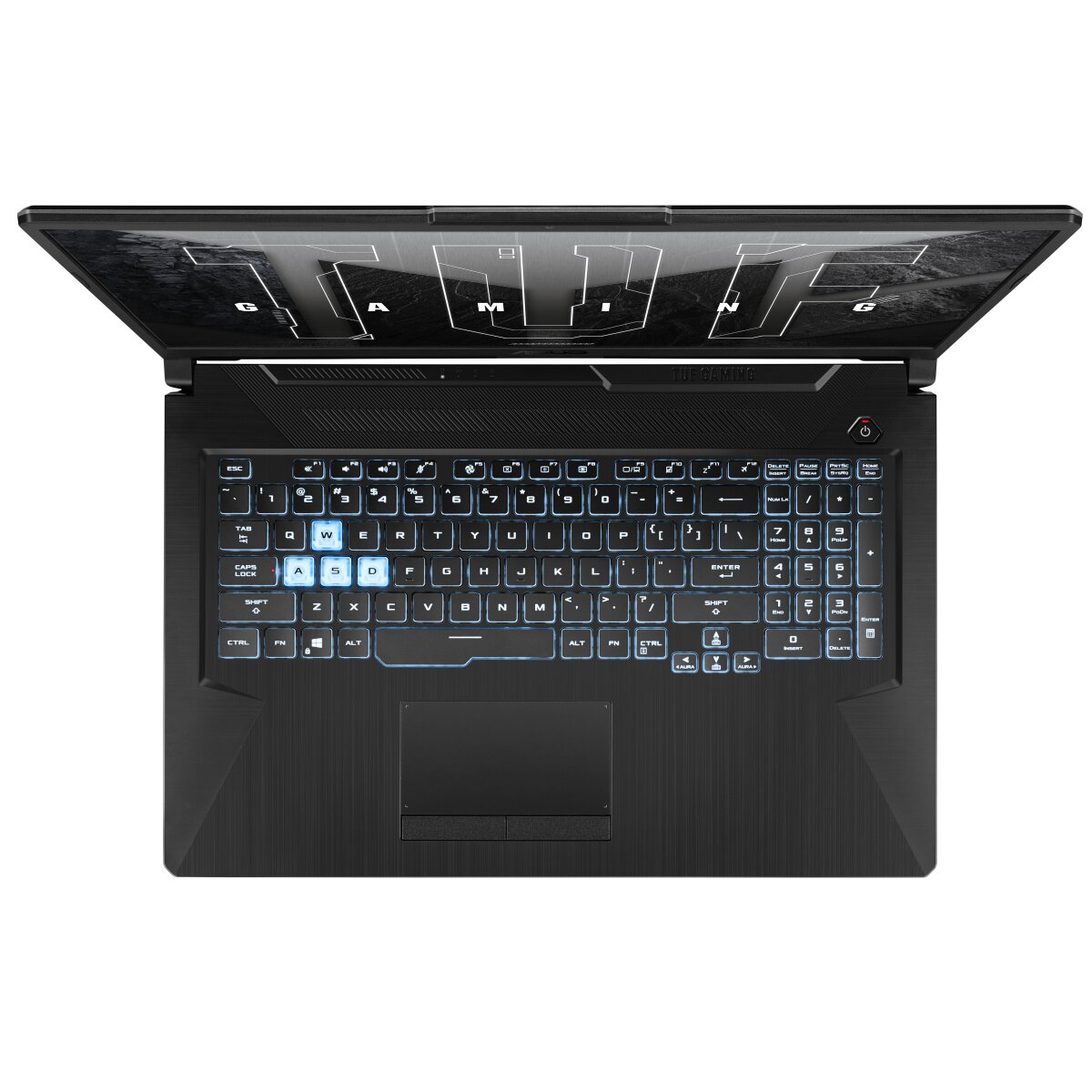
The ASUS TUF Gaming F17 FX706HE-HX012T laptop features DDR4-SDRAM memory upgrade capability with 2x SO-DIMM slots supporting maximum capacity of 32 GB. Compatible RAM specifications include DDR4 modules operating at 3200 MHz frequency. The SO-DIMM form factor enables memory expansion for enhanced multitasking performance. Upgrade slots accommodate standard laptop memory modules, allowing users to increase total system memory from factory-installed configuration up to the maximum 32 GB capacity supported by this gaming laptop model.
Memory Upgrade Specifications
| Specification | Value |
|---|---|
| Memory slots | 2x SO-DIMM |
| Form factor | SO-DIMM |
| Memory type | DDR4-SDRAM |
| Frequency | 3200 MHz |
| Maximum RAM | 32 GB |
| Voltage | 1.2V |
| Number of pins | 260-pin |
| Interface | PC4 |
| PC Speed Rating | PC4-3200 (PC4-25600) |
| Bandwidth | 25.6 GB/s |
| Laptop Release date | 18 June 2021 |
Additional Notes
- The ASUS TUF Gaming FX706HE-HX012T requires SO-DIMM modules specifically, which physically excludes standard desktop DIMM memory despite identical DDR4-3200 specifications.
- The 32 GB maximum capacity constraint is typically enforced by chipset addressing limitations rather than physical slot restrictions, meaning 16 GB modules per slot represent the ceiling regardless of higher-density module availability.
- Dual-channel architecture activation requires matched module pairs in both slots, where mismatched capacities or speeds force the memory controller to operate at the lower common denominator.
- Native 3200 MHz operation depends on processor memory controller support and BIOS configuration, as some configurations may default to JEDEC standard 2666 MHz without XMP profile enablement.
- Voltage specification for DDR4 SO-DIMMs must remain at standard 1.2V, as gaming laptops rarely support high-performance 1.35V modules due to thermal envelope constraints in compact chassis designs.
- Module height clearance can become critical with heatspreader-equipped SO-DIMMs, where excess thickness may interfere with keyboard assembly or bottom panel closure in thin gaming laptop designs.
- Mixing modules from different manufacturers introduces timing incompatibilities that force memory training to conservative CAS latency values, potentially degrading bandwidth below single-vendor configurations.
- Warranty preservation typically requires avoiding disassembly of sealed bottom panels in certain regions, though memory access doors specifically designed for user upgrades bypass this restriction when present.
- Single-rank versus dual-rank module architecture affects interleaving efficiency, where 2 dual-rank modules often deliver measurably higher sustained throughput than 2 single-rank modules at identical clock speeds.
- The 3200 MHz frequency represents the maximum supported data rate, meaning modules rated at 3600 MHz or higher will downclock automatically to system limits without manual intervention.