ASUS TUF Gaming FX706HE-HX014W RAM upgrade specifications
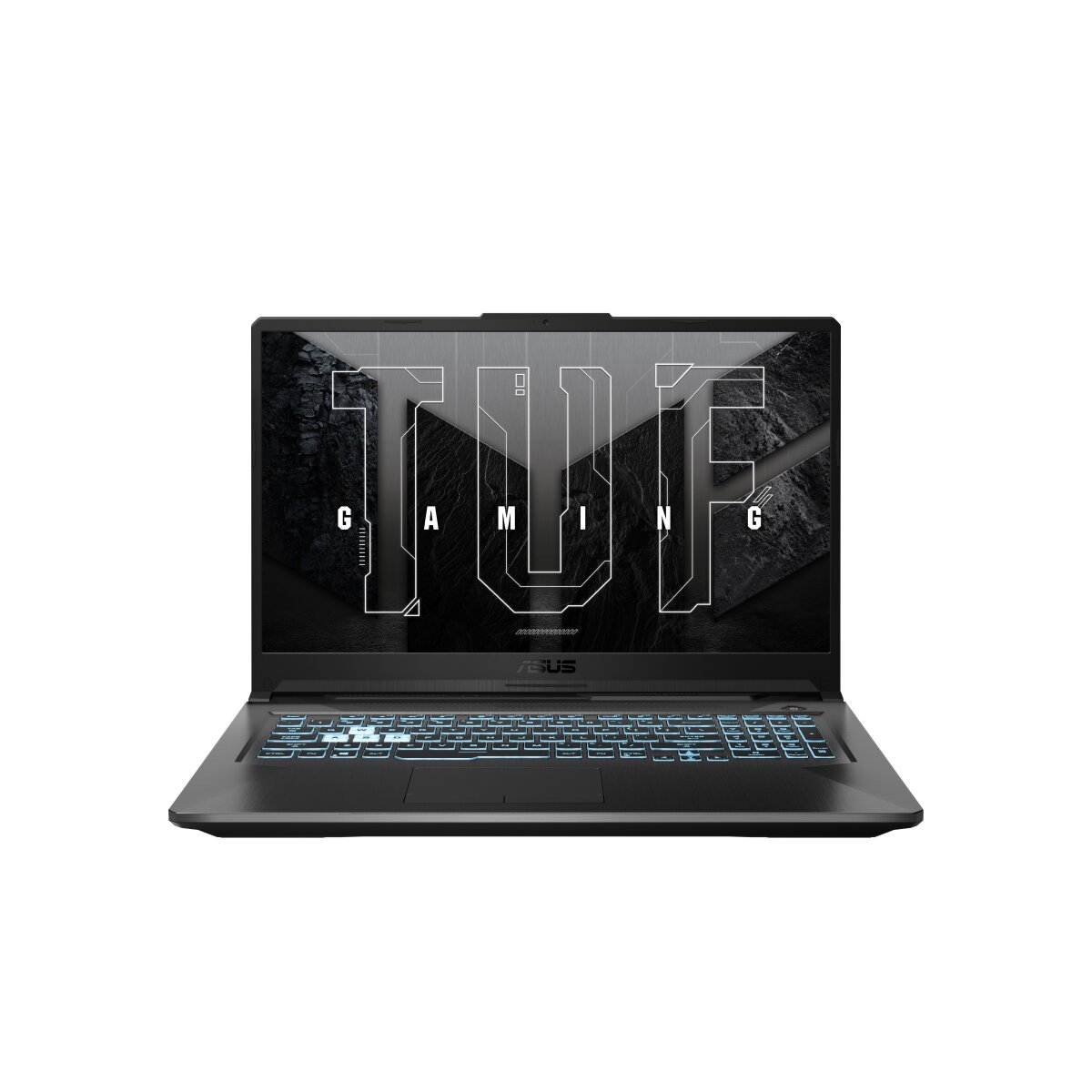
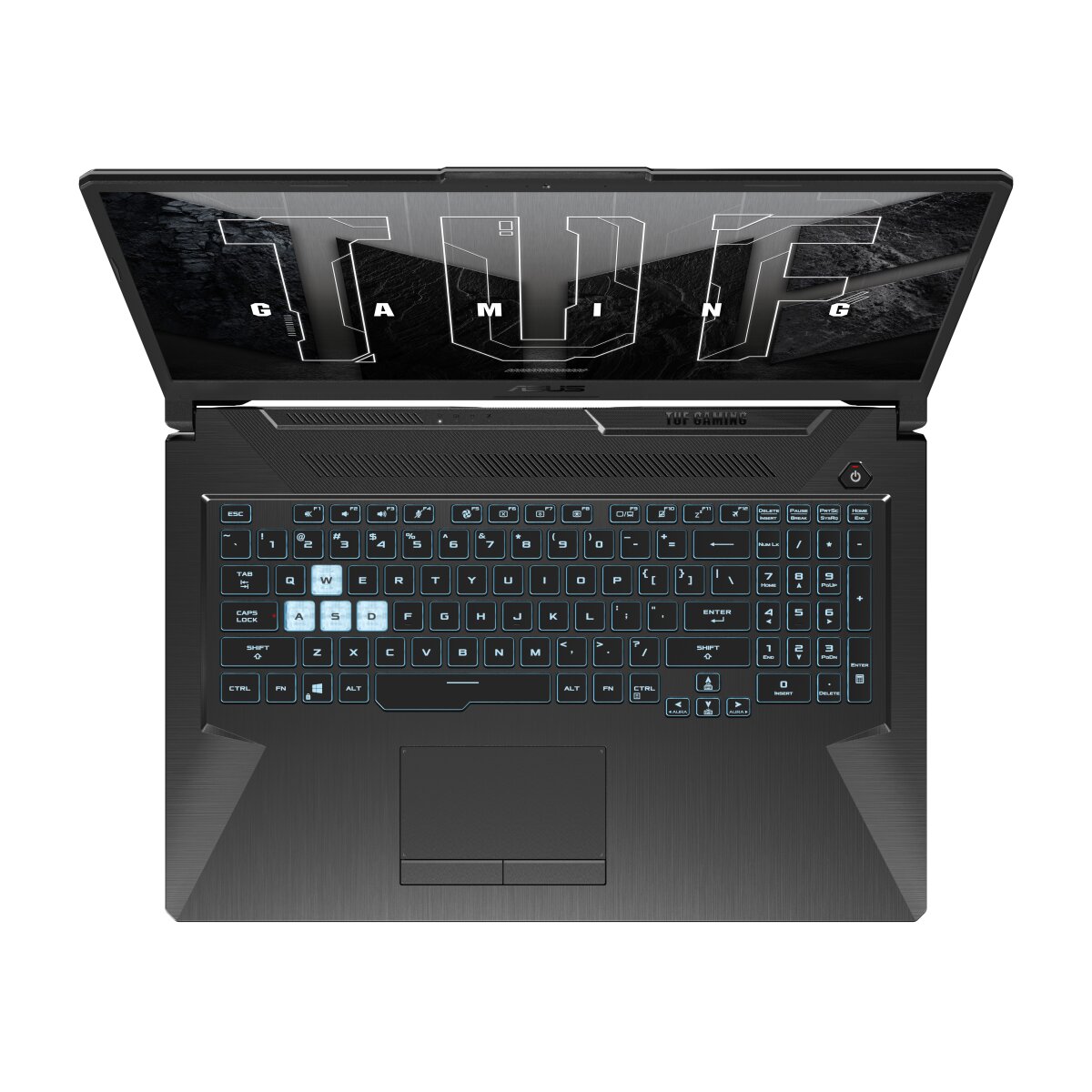

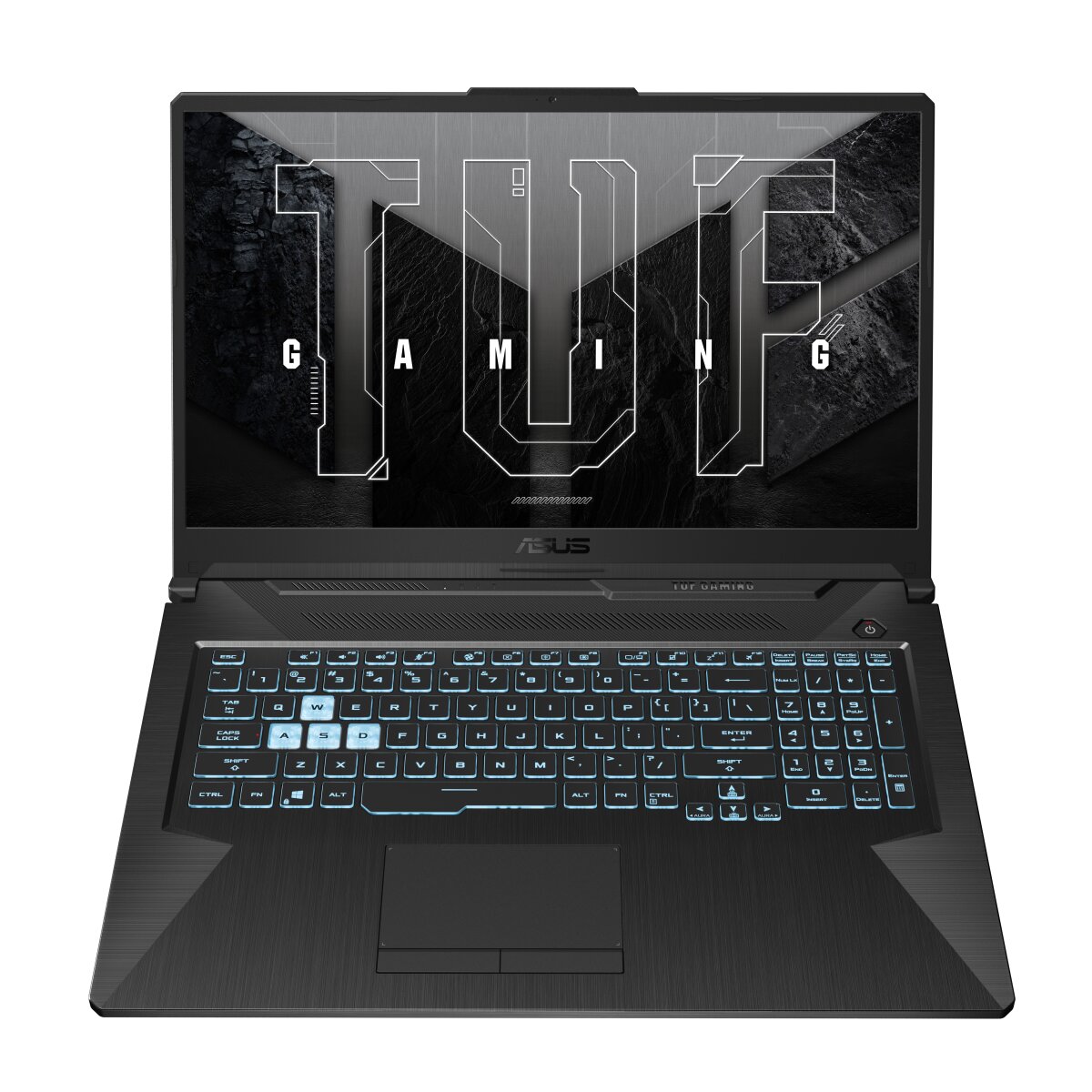
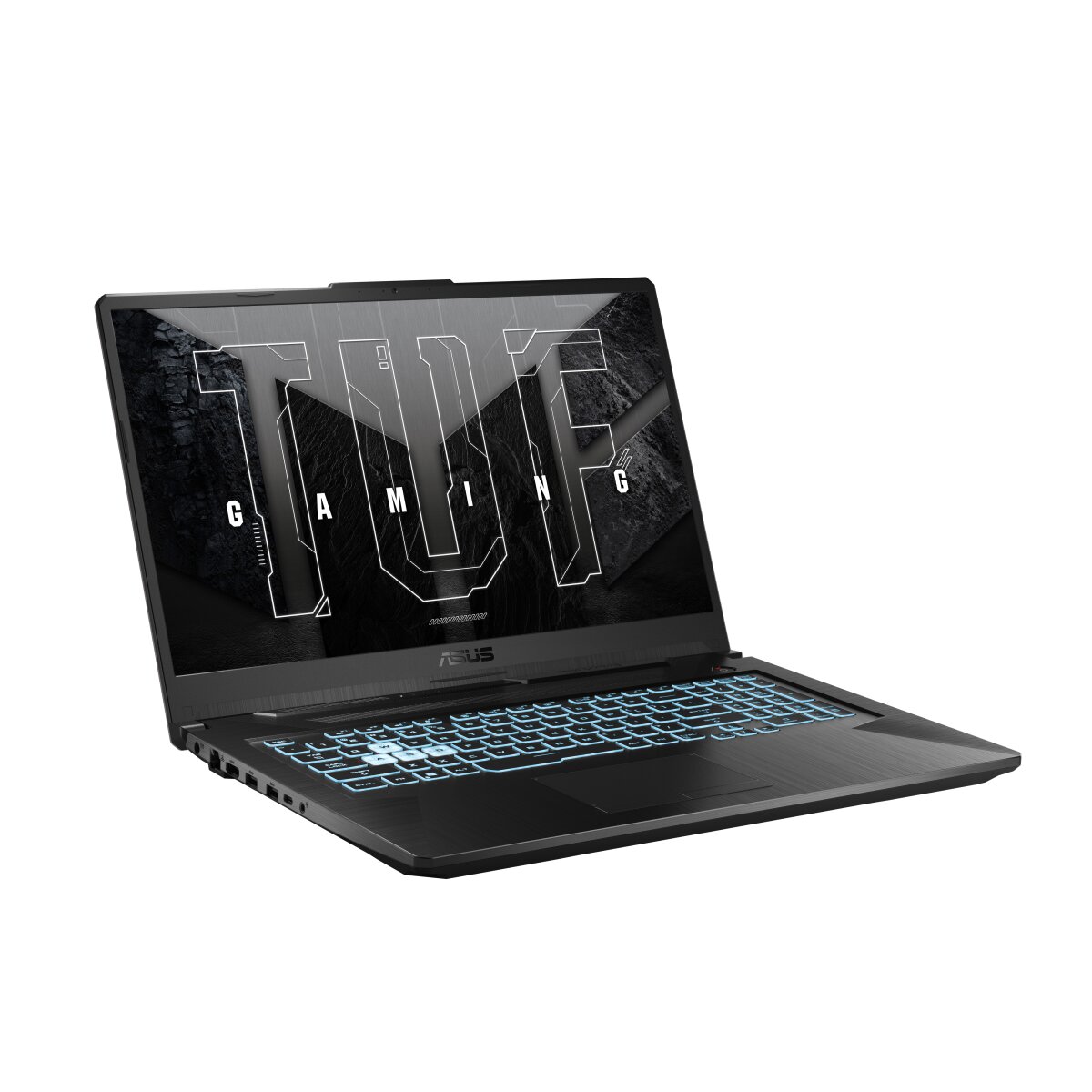
ASUS TUF Gaming F17 FX706HE-HX014W RAM upgrade specifications include DDR4-SDRAM memory operating at 3200 MHz frequency. The laptop features 2x SO-DIMM slots for memory expansion, supporting maximum RAM capacity of 32 GB total. Compatible upgrades utilize SO-DIMM form factor modules. Specifications enable users to upgrade memory configuration for enhanced system performance on the FX706HE-HX014W model.
Memory Upgrade Specifications
| Specification | Value |
|---|---|
| Memory slots | 2x SO-DIMM |
| Form factor | SO-DIMM |
| Memory type | DDR4-SDRAM |
| Frequency | 3200 MHz |
| Maximum RAM | 32 GB |
| Voltage | 1.2V |
| Number of pins | 260-pin |
| Interface | PC4 |
| PC Speed Rating | PC4-3200 (PC4-25600) |
| Bandwidth | 25.6 GB/s |
| Laptop Release date | 16 April 2022 |
Additional Notes
- The 32 GB ceiling reflects chipset-level addressing limitations rather than physical slot capacity, making it impossible to exceed this threshold regardless of module density.
- Dual-channel architecture requires matched module specifications across both slots to prevent automatic fallback to single-channel mode, which halves theoretical memory bandwidth.
- DDR4-3200 represents the JEDEC-standard speed rating; modules with higher advertised frequencies will downclock to 3200 MHz unless XMP/DOCP profiles receive explicit BIOS support.
- SO-DIMM form factor restricts compatibility to notebook-specific modules, excluding standard DIMM desktop memory which differs in physical pin count and connector design.
- The ASUS TUF Gaming FX706HE-HX014W requires 1.2V standard voltage DDR4 modules; low-voltage variants may cause POST failures or training errors during boot sequences.
- Population of both slots mandates matched latency timings (CAS, tRCD, tRP, tRAS) to prevent system instability, as mismatched timing profiles force conservative fallback values.
- Installation procedures bypassing official service manuals risk breaking warranty seals on bottom-panel screws, particularly those marked with tamper-evident indicators.
- Asymmetric module configurations (such as 8 GB paired with 16 GB) technically function but disable flex mode benefits, reducing performance in memory-intensive workloads.
- The 3200 MHz specification assumes Dual Rank modules; Single Rank alternatives at identical frequency may exhibit 5-10% lower bandwidth in bandwidth-limited scenarios.
- Thermal constraints within the chassis dictate preference for single-sided module designs over dual-sided variants, which may contact underside chassis components.