ASUS TUF Gaming FX706HEB-HX089T RAM upgrade specifications
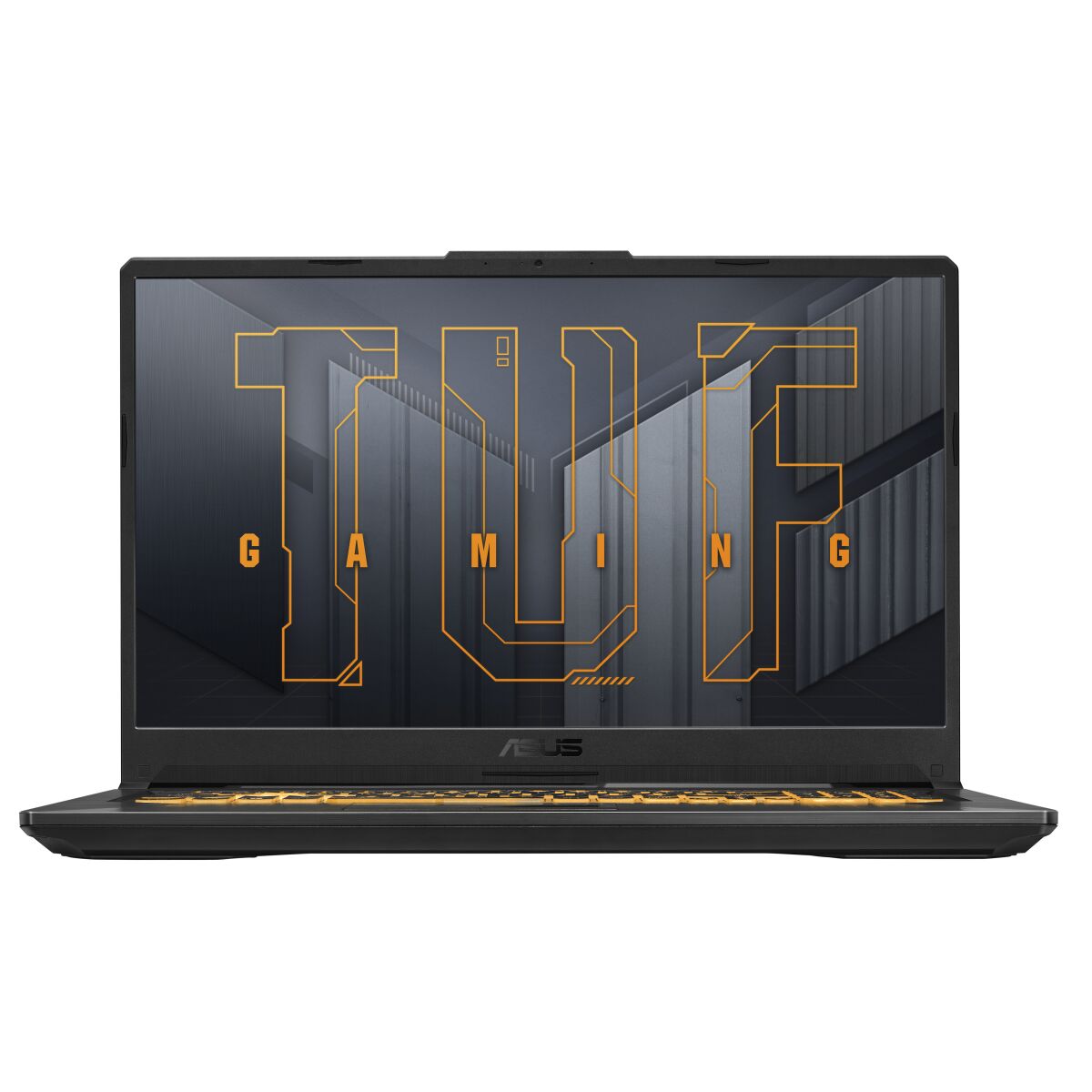
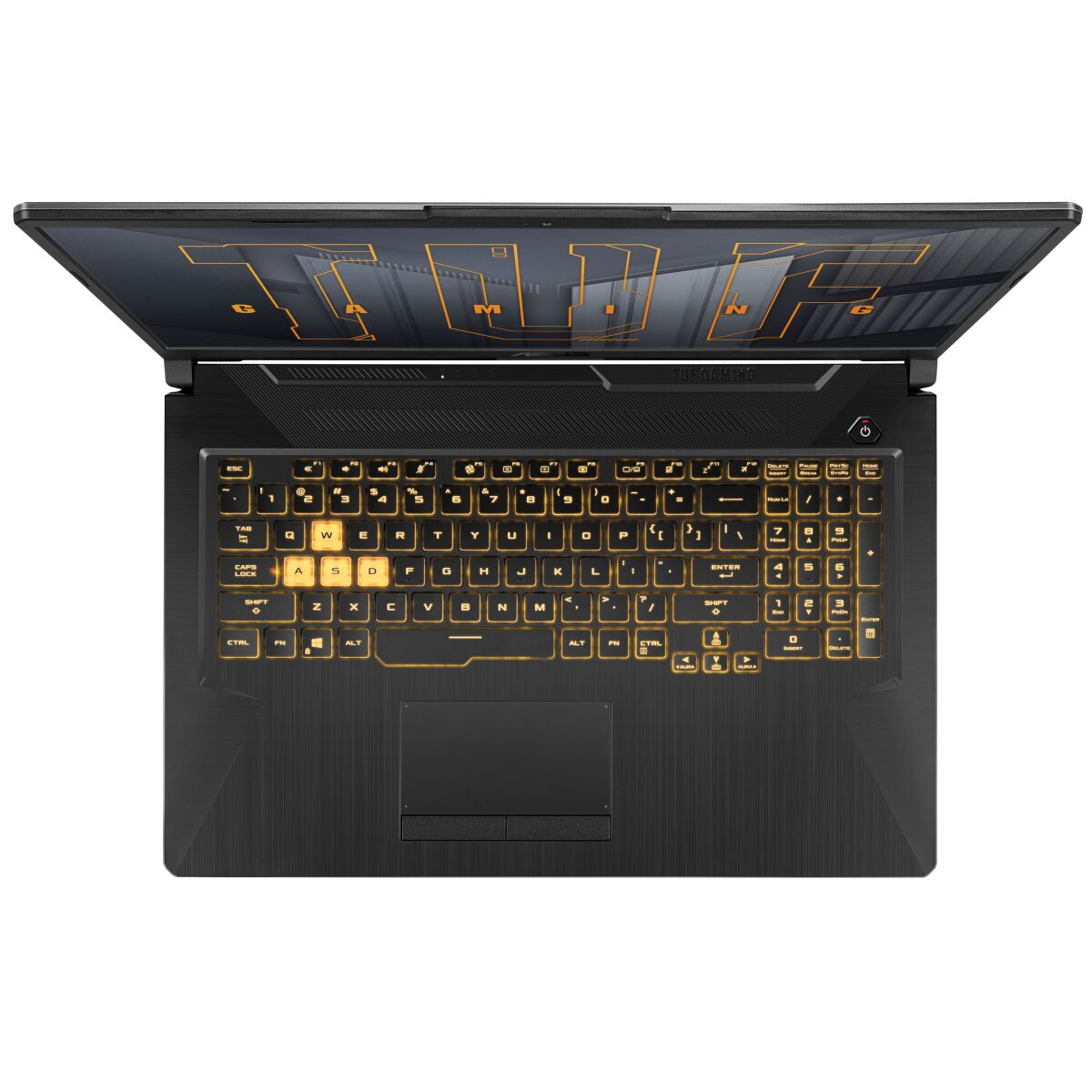
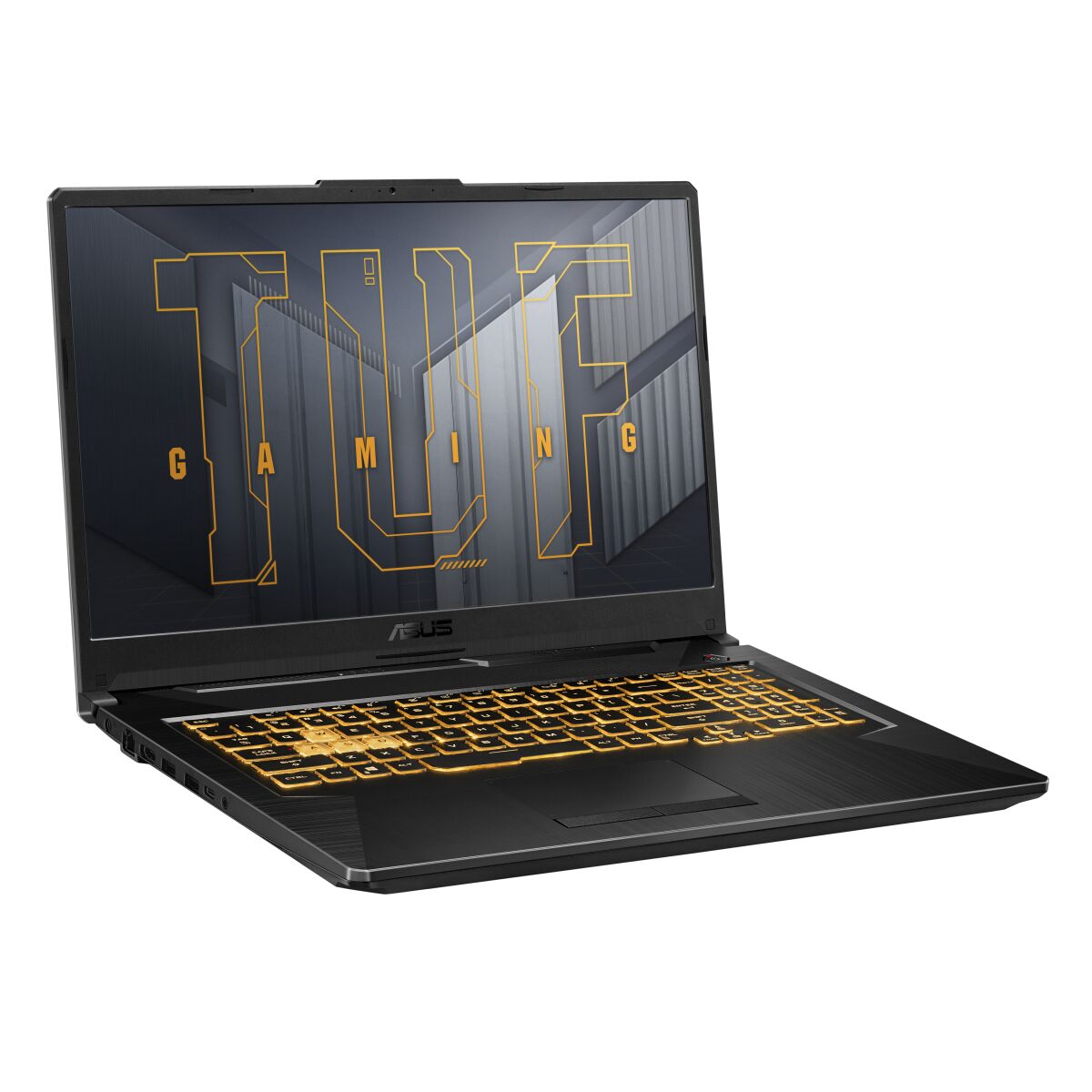
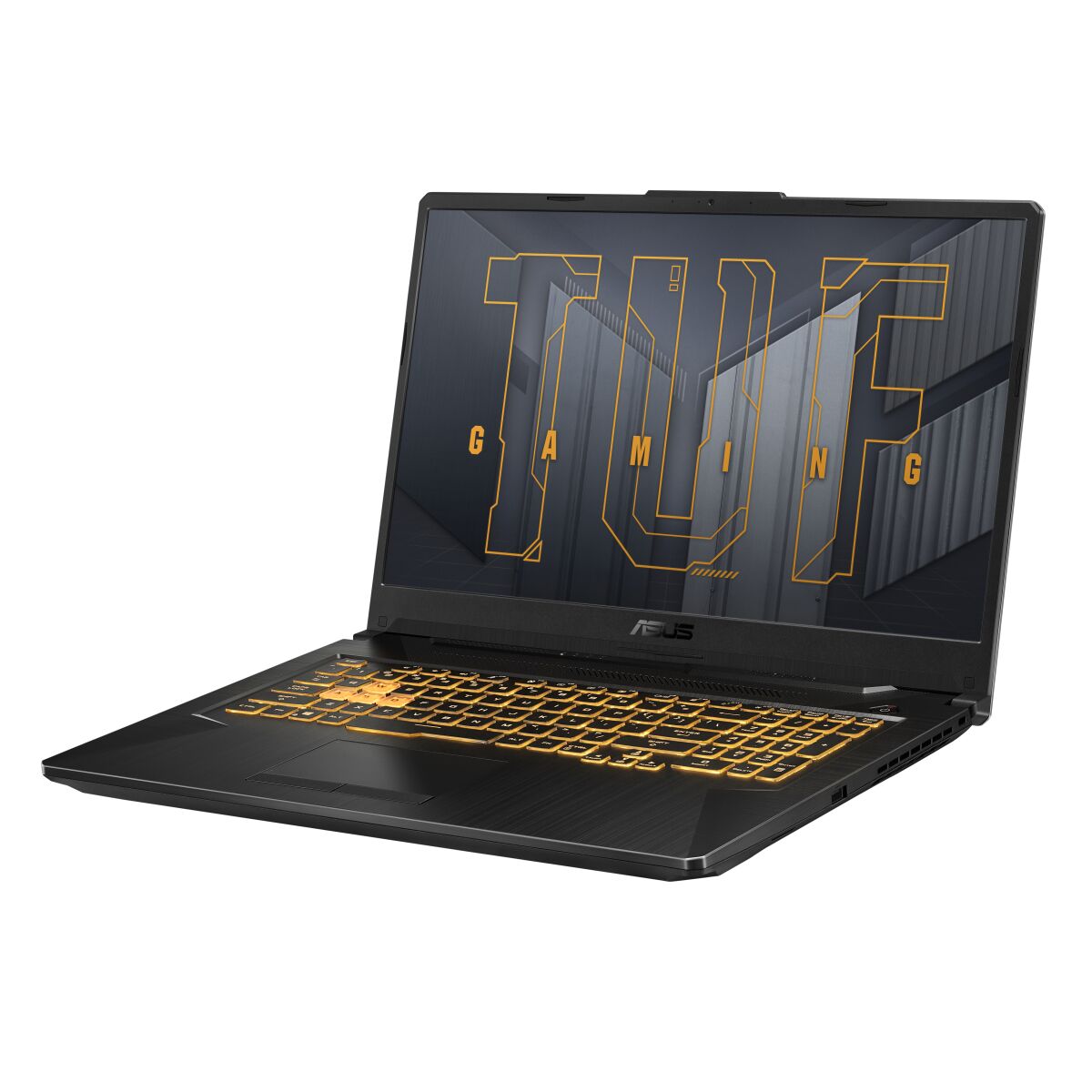
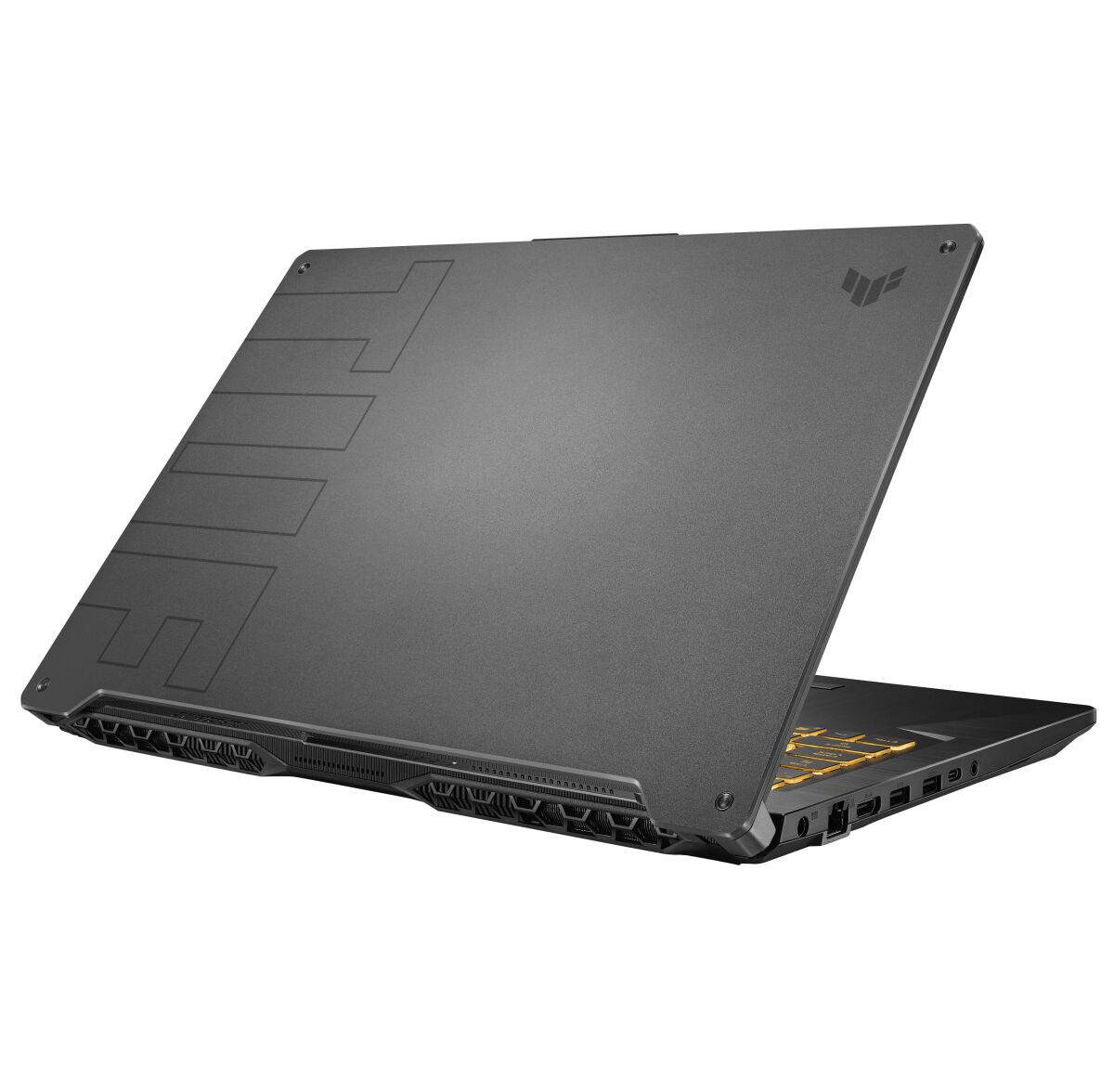
ASUS TUF Gaming F17 series model FX706HEB-HX089T supports DDR4-SDRAM memory upgrades. The laptop features 2x SO-DIMM slots for RAM expansion. Maximum memory capacity reaches 32 GB total. Compatible memory modules operate at 3200 MHz frequency. Specifications indicate SO-DIMM form factor for upgrade compatibility. The FX706HEB-HX089T gaming laptop allows users to expand RAM capacity through dual memory slots to achieve maximum specifications of 32 GB total system memory for enhanced multitasking performance.
Memory Upgrade Specifications
| Specification | Value |
|---|---|
| Memory slots | 2x SO-DIMM |
| Form factor | SO-DIMM |
| Memory type | DDR4-SDRAM |
| Frequency | 3200 MHz |
| Maximum RAM | 32 GB |
| Voltage | 1.2V |
| Number of pins | 260-pin |
| Interface | PC4 |
| PC Speed Rating | PC4-3200 (PC4-25600) |
| Bandwidth | 25.6 GB/s |
| Laptop Release date | 31 January 2022 |
Additional Notes
- The ASUS TUF Gaming FX706HEB-HX089T contains 2 SO-DIMM slots operating at 3200 MHz, which means both slots must be populated simultaneously to achieve dual-channel bandwidth; populating only 1 slot will force single-channel operation and reduce memory throughput by approximately 50 percent.
- DDR4-3200 modules are commodity components with stable pricing and broad availability, but modules rated for 3200 MHz may downclock automatically if paired with incompatible variants; matching the exact SPD profile and voltage (typically 1.35V) across both slots prevents unpredictable frequency negotiation.
- The 32 GB maximum capacity ceiling is a BIOS-enforced limitation rather than a physical slot constraint; this platform cannot use 48 GB or 64 GB configurations regardless of SO-DIMM density advances, locking the upgrade path to 16 GB plus 16 GB as the practical endpoint.
- SO-DIMM memory requires manual retention clip release on both ends of each slot during extraction; improper removal technique risks fracturing the clip mechanisms, which cannot be field-repaired without soldering and will void warranty coverage on the system board.
- Third-party SO-DIMM modules may trigger Memory OK LED sequences or require manual BIOS profile selection if the module Serial Presence Detect (SPD) data does not exactly match factory specifications; warranty claims for stability issues may be denied if non-OEM modules are installed.
- Thermal performance under sustained memory-intensive workloads may degrade if both slots are fully populated with high-density modules that generate additional heat, since laptop memory operates within confined spaces with limited active cooling relative to desktop environments.