ASUS TUF Gaming FX706HEB-HX089W RAM upgrade specifications



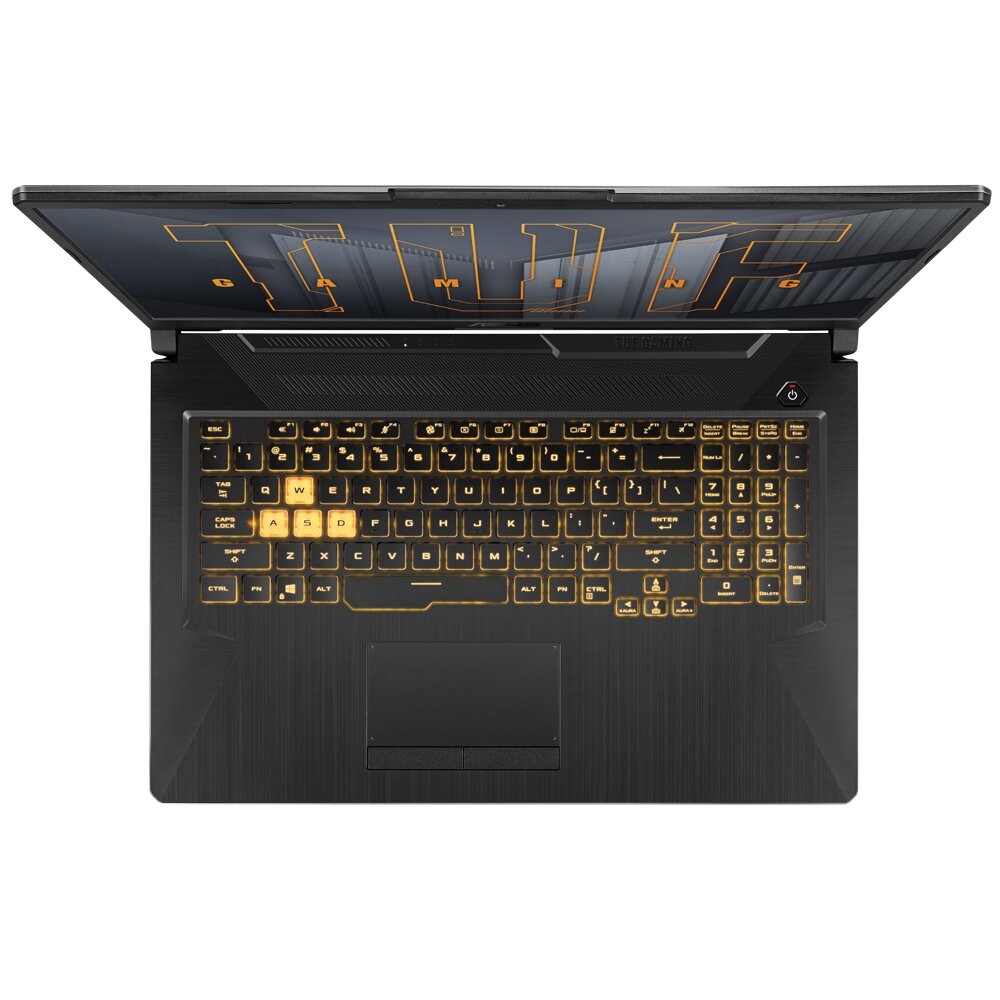

The ASUS TUF Gaming F17 series FX706HEB-HX089W laptop features DDR4-SDRAM memory upgrade capability through two SO-DIMM slots. The specifications support a maximum RAM capacity of 32 GB total, with compatible memory operating at 3200 MHz frequency. Each slot accommodates SO-DIMM form factor modules, enabling flexible memory expansion for enhanced system performance and multitasking capabilities on the FX706HEB-HX089W model.
Memory Upgrade Specifications
| Specification | Value |
|---|---|
| Memory slots | 2x SO-DIMM |
| Form factor | SO-DIMM |
| Memory type | DDR4-SDRAM |
| Frequency | 3200 MHz |
| Maximum RAM | 32 GB |
| Voltage | 1.2V |
| Number of pins | 260-pin |
| Interface | PC4 |
| PC Speed Rating | PC4-3200 (PC4-25600) |
| Bandwidth | 25.6 GB/s |
| Laptop Release date | 28 November 2021 |
Additional Notes
- The absence of soldered memory on the ASUS TUF Gaming FX706HEB-HX089W motherboard allows for the total replacement of both factory modules to eliminate potential manufacturer-specific latency mismatches.
- Dual channel architecture requires identical module capacities in both SO-DIMM slots to achieve full memory bus bandwidth and avoid performance throttling during high CPU-bound tasks.
- Installation of memory modules with speeds exceeding 3200 MHz will result in an automatic downclocking to the system bus limit determined by the processor architecture.
- Upgrading to the 32 GB threshold provides the necessary overhead for 4K video rendering and simultaneous execution of background streaming software without utilizing virtual memory swap files on the storage drive.
- Maintenance of the 1.2V DDR4 standard ensures thermal stability within the chassis by preventing the excess heat generation associated with high-voltage overclocked modules.
- Accessing the internal memory slots requires the removal of the bottom panel, which may involve navigating plastic retention clips that necessitate specific non-marring tools to prevent physical housing damage.
- Populating both slots with high-density ranks can improve frame consistency in modern gaming engines compared to single-channel or single-rank configurations.