ASUS TUF Gaming FX706HM-HX037T RAM upgrade specifications

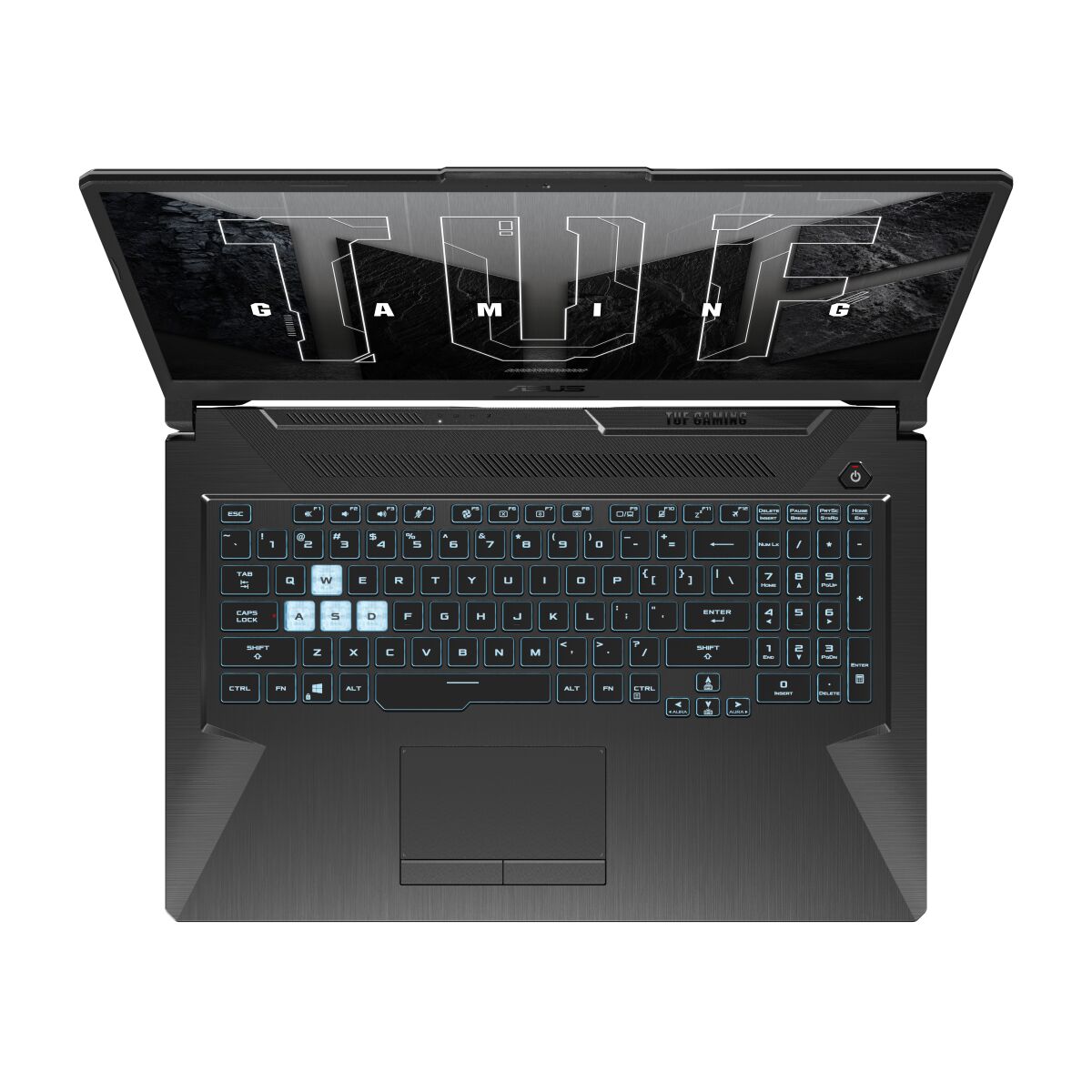



The ASUS TUF Gaming FX706HM-HX037T features DDR4-SDRAM memory upgrade capabilities with 2x SO-DIMM slots. Maximum RAM capacity reaches 32 GB total. Compatible memory modules operate at 3200 MHz frequency and utilize SO-DIMM form factor specifications. Upgrade options allow installation of compatible DDR4 modules to achieve maximum memory configuration for enhanced system performance.
Memory Upgrade Specifications
| Specification | Value |
|---|---|
| Memory slots | 2x SO-DIMM |
| Form factor | SO-DIMM |
| Memory type | DDR4-SDRAM |
| Frequency | 3200 MHz |
| Maximum RAM | 32 GB |
| Voltage | 1.2V |
| Number of pins | 260-pin |
| Interface | PC4 |
| PC Speed Rating | PC4-3200 (PC4-25600) |
| Bandwidth | 25.6 GB/s |
| Laptop Release date | 22 December 2021 |
Additional Notes
- The ASUS TUF Gaming FX706HM-HX037T utilizes SO-DIMM form factor modules, which physically prevents installation of standard desktop DIMM memory despite identical DDR4 technology.
- Both memory channels must operate at identical speeds to function in dual-channel mode, meaning mixing 3200 MHz modules with lower frequency RAM will downclock all modules to the slowest speed present.
- The 32 GB maximum capacity enforced by the chipset architecture creates a practical ceiling of 16 GB per slot when fully populated.
- DDR4-3200 represents a 25% bandwidth improvement over DDR4-2666 baseline speeds, though actual gaming performance gains typically range between 5-10% depending on CPU and GPU bottlenecks.
- Single-module configurations will operate in single-channel mode, effectively halving memory bandwidth compared to dual-channel arrangements using matched pairs.
- Non-ECC unbuffered modules are required for consumer laptop platforms, as registered or ECC memory types are incompatible with mobile chipsets.
- The SO-DIMM slot mechanism requires standard retention clips that must fully engage, preventing use of low-profile or server-grade module variants with different notch positions.
- CAS latency timings affect real-world responsiveness independently of frequency, with CL16 modules at 3200 MHz delivering equivalent absolute latency to CL20 modules despite numerical differences.
- Voltage specifications should remain at standard 1.2V for DDR4, as higher-voltage XMP profiles designed for desktop overclocking may exceed mobile platform thermal and power delivery tolerances.
- Accessing memory slots typically requires bottom panel removal, which may involve breaking warranty seals depending on regional consumer protection laws.