ASUS TUF Gaming FX706HM-HX059 RAM upgrade specifications

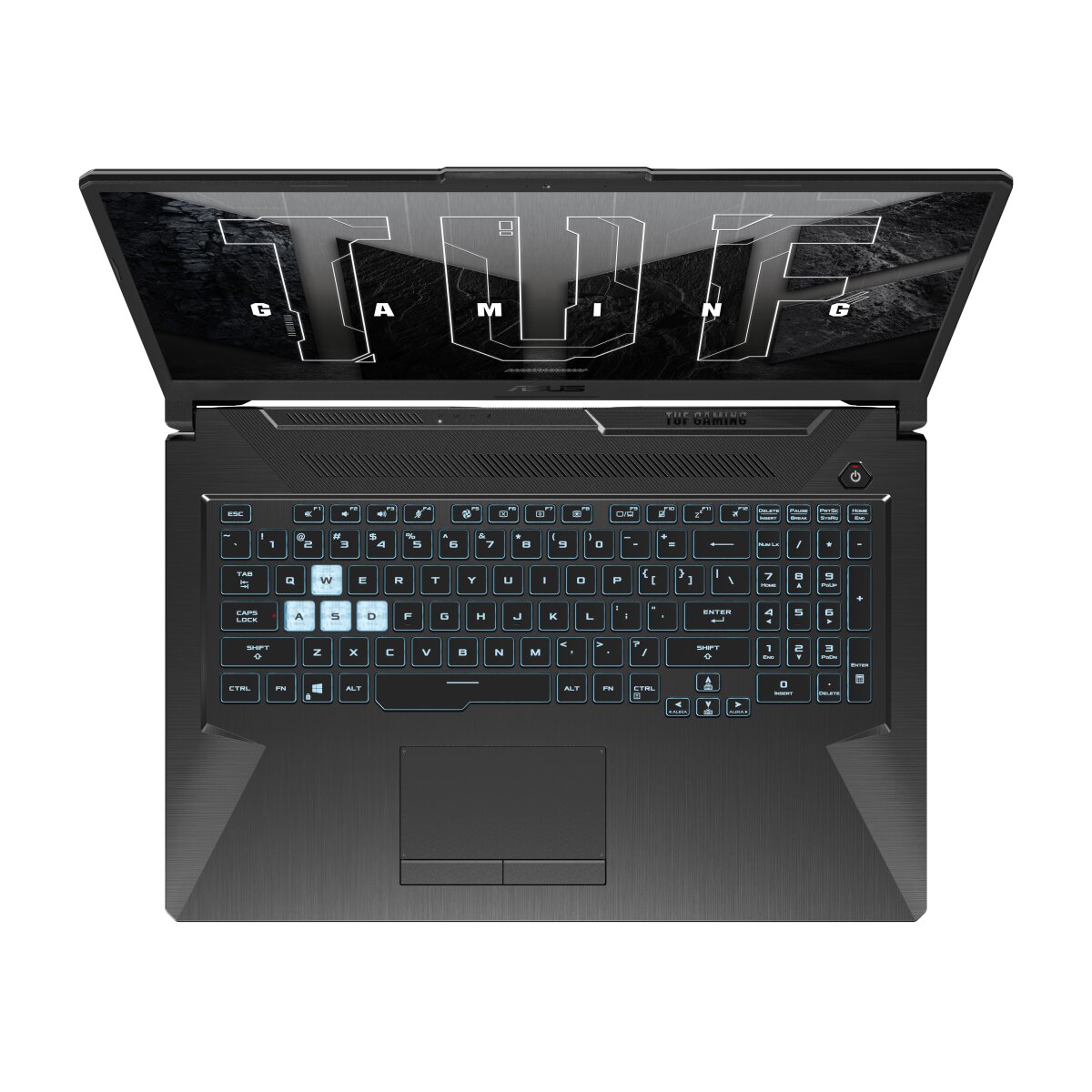



ASUS TUF Gaming F17 FX706HM-HX059 laptop features two SO-DIMM memory slots supporting DDR4-SDRAM upgrades. Maximum compatible RAM capacity reaches 32 GB total, with memory operating at 3200 MHz frequency. Upgrade specifications indicate SO-DIMM form factor modules are required for this gaming laptop model. Users can install compatible DDR4 memory modules in the available slots to expand system memory capacity within the maximum specifications.
Memory Upgrade Specifications
| Specification | Value |
|---|---|
| Memory slots | 2x SO-DIMM |
| Form factor | SO-DIMM |
| Memory type | DDR4-SDRAM |
| Frequency | 3200 MHz |
| Maximum RAM | 32 GB |
| Voltage | 1.2V |
| Number of pins | 260-pin |
| Interface | PC4 |
| PC Speed Rating | PC4-3200 (PC4-25600) |
| Bandwidth | 25.6 GB/s |
| Laptop Release date | 14 September 2021 |
Additional Notes
- The ASUS TUF Gaming FX706HM-HX059 accommodates memory modules in SO-DIMM form factor exclusively, which restricts upgrade options to laptop-specific components rather than desktop equivalents.
- DDR4-3200 memory operates at a fixed frequency ceiling. Installing higher-frequency modules (DDR4-3600 or above) results in automatic downclocking to 3200 MHz, negating performance gains and creating unnecessary cost inefficiency.
- The 2-slot configuration means upgrading from factory memory requires complete module replacement rather than additive expansion, since both slots must be populated to achieve the 32 GB maximum capacity.
- Dual-channel memory architecture depends on identical module specifications (capacity, speed, latency) in both slots. Mismatched module pairs force single-channel operation, reducing bandwidth by approximately 50 percent and degrading multitasking and gaming responsiveness.
- Maximum capacity of 32 GB establishes a hard limit for memory-intensive workloads such as 3D rendering, virtual machine hosting, or large dataset processing. Applications exceeding this threshold will rely on storage-based virtual memory, introducing latency penalties.
- SO-DIMM upgrades typically remain warranty-safe when performed by end users, provided components meet manufacturer specifications and thermal management remains uncompromised after installation.