ASUS TUF Gaming FX706HM-HX116R RAM upgrade specifications
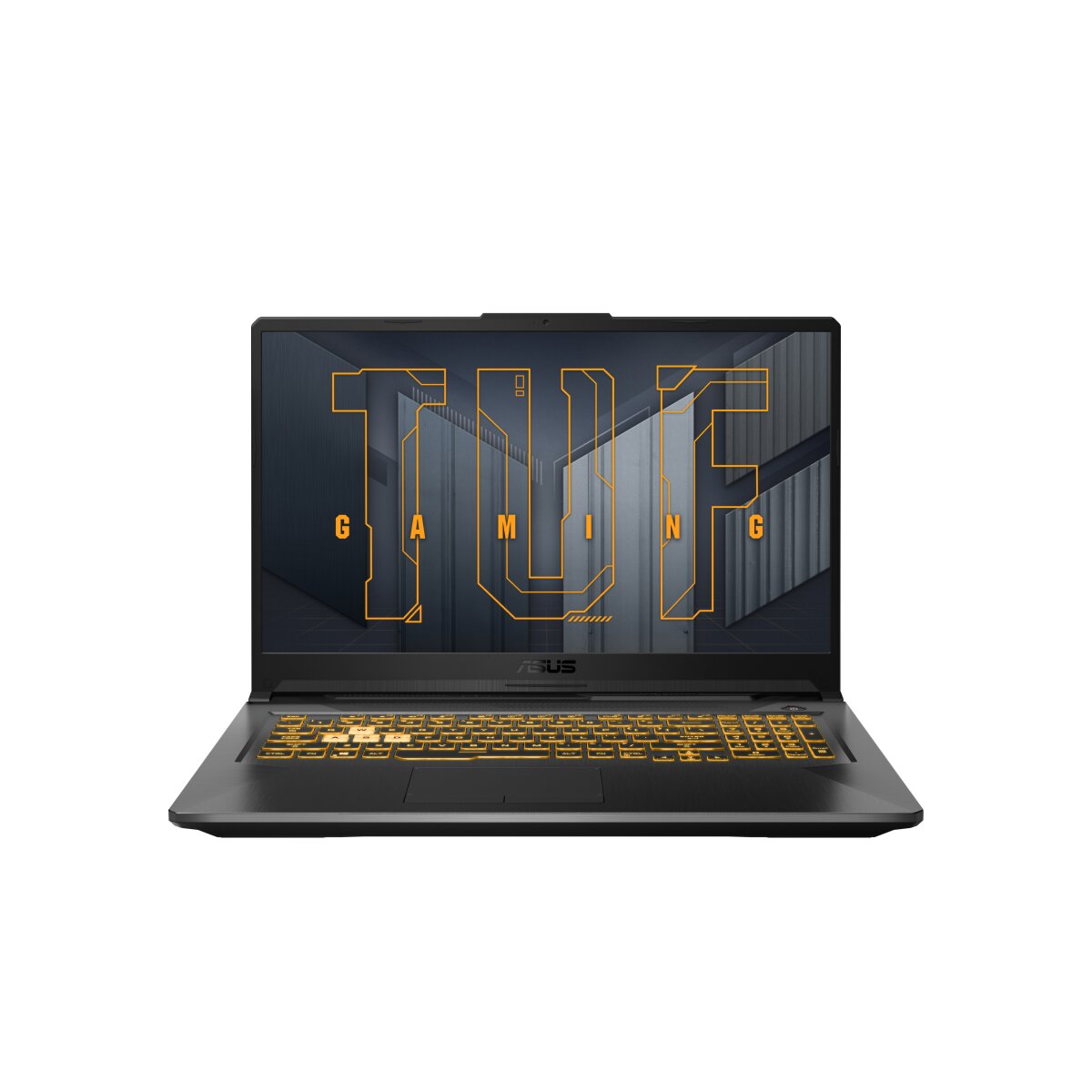
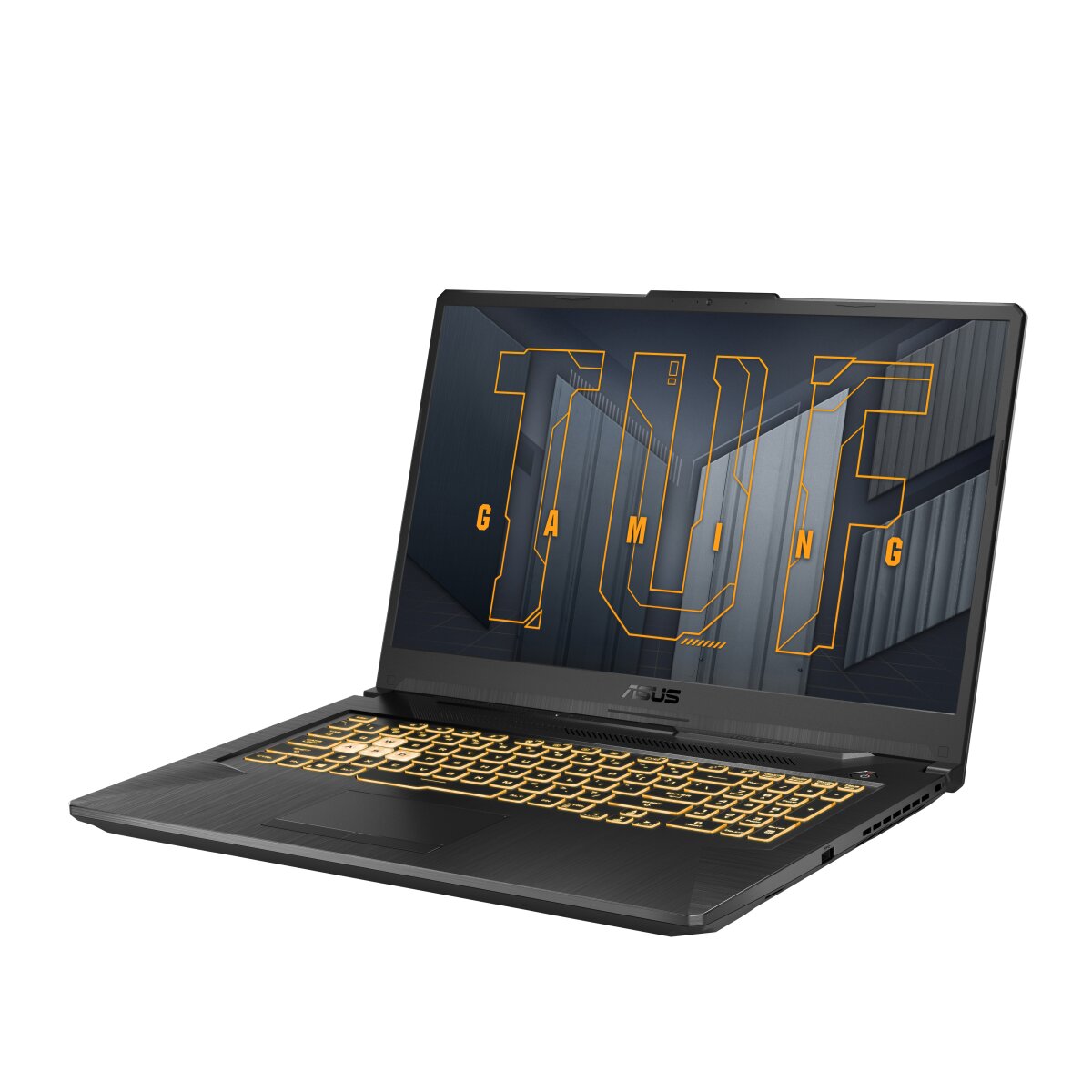
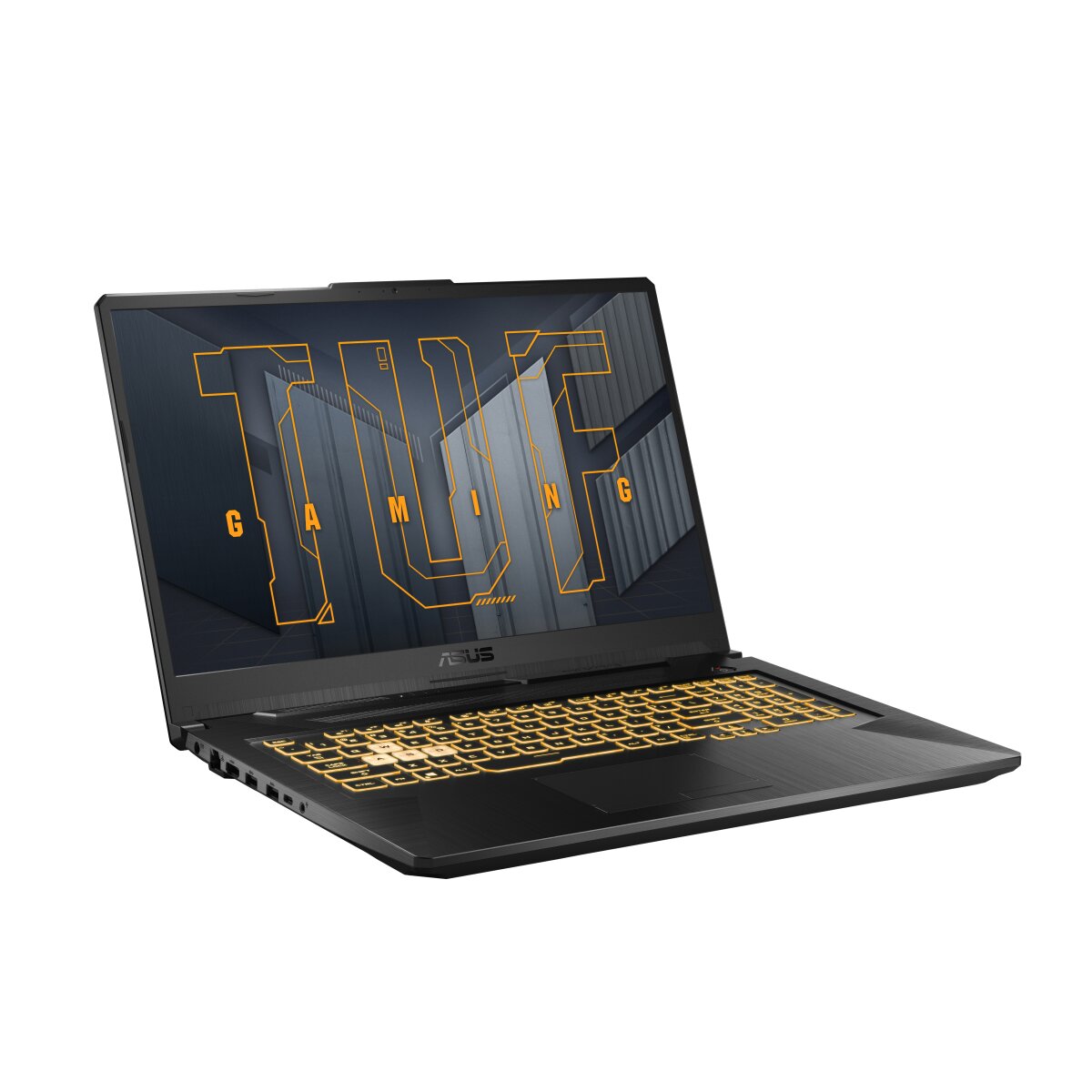
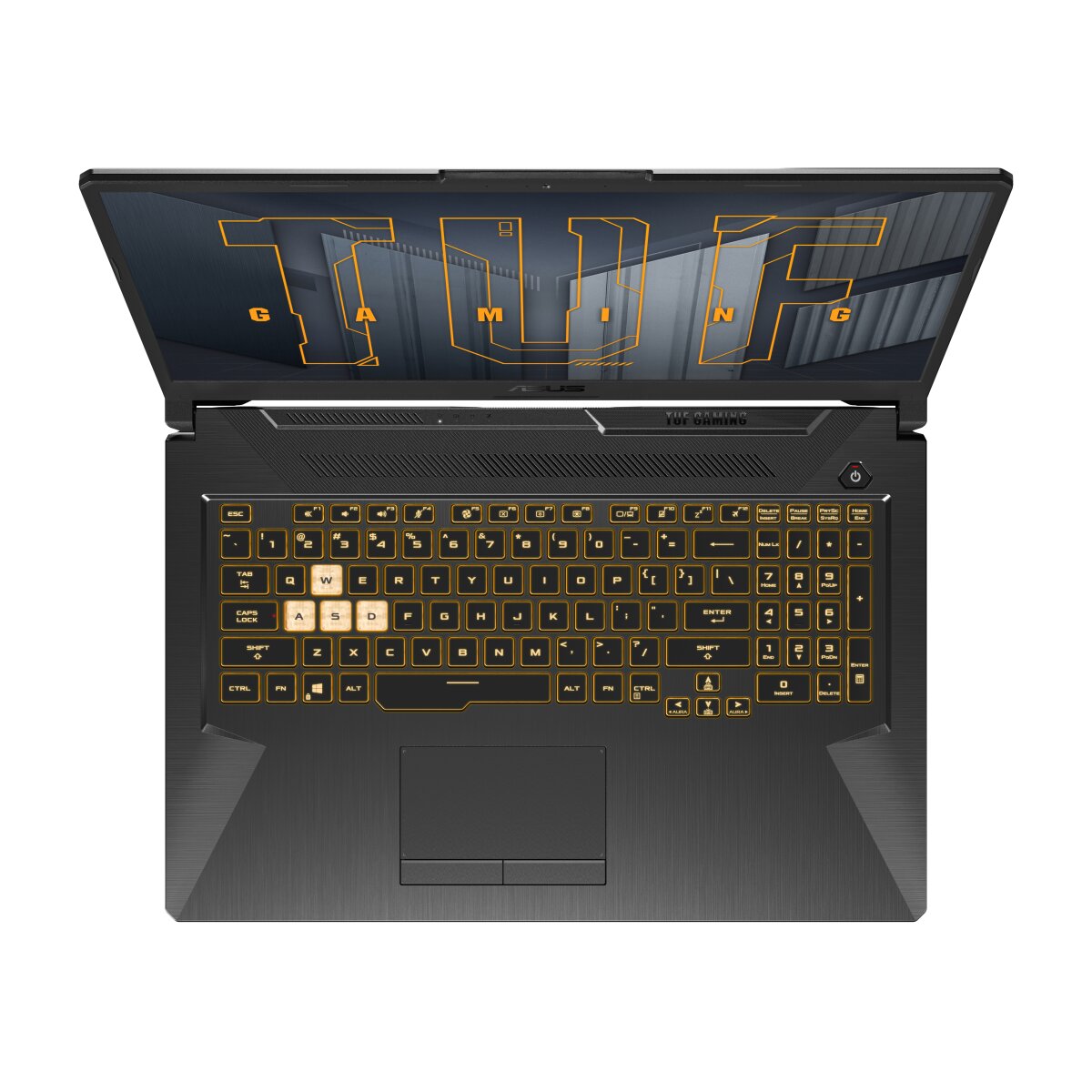
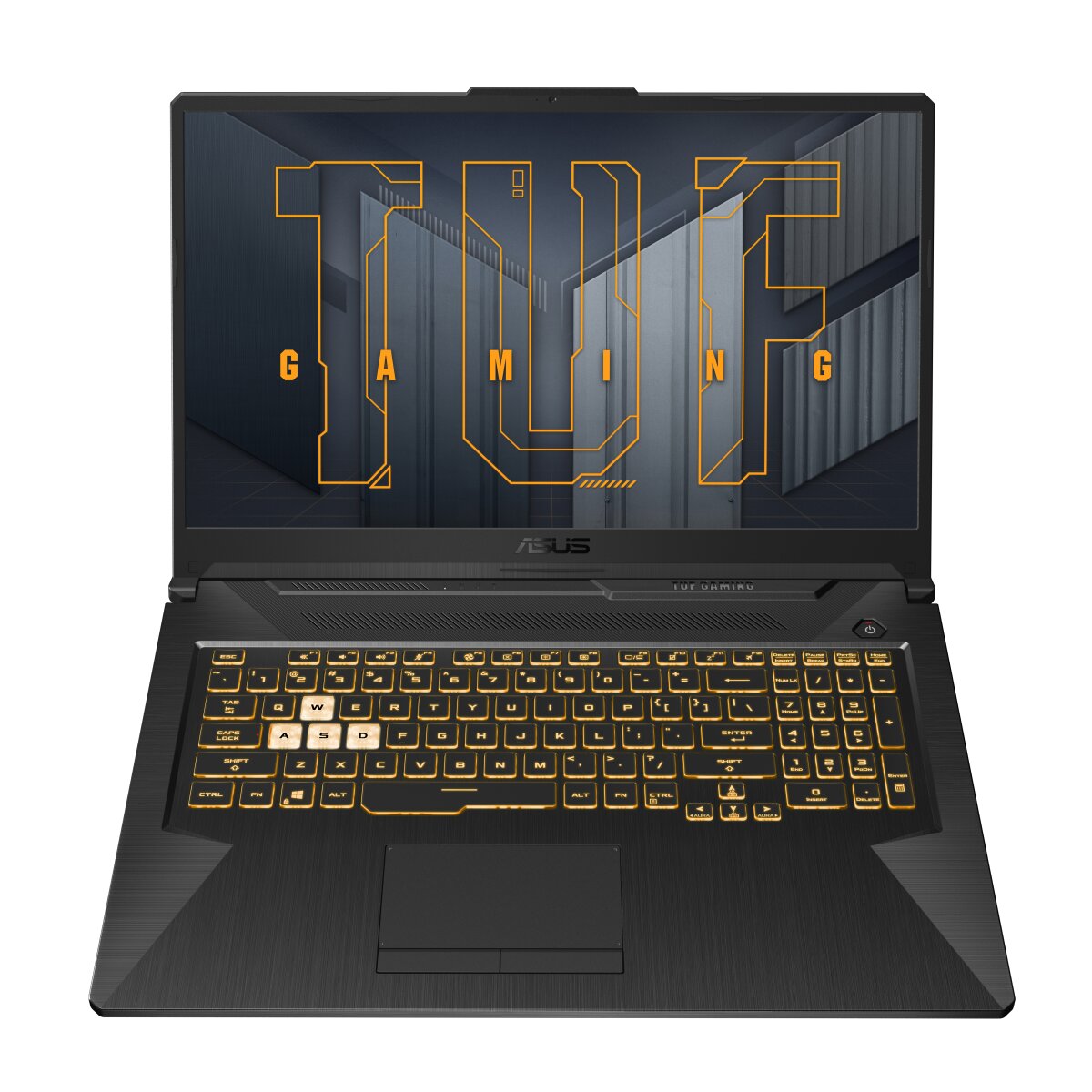
The ASUS TUF Gaming F17 FX706HM-HX116R laptop features DDR4-SDRAM memory upgrade capabilities with two SO-DIMM slots supporting up to 32 GB maximum RAM capacity. The memory specifications include SO-DIMM form factor modules operating at 3200 MHz frequency. Upgrade configurations allow for compatible DDR4 memory installation in available slots to enhance system performance. Maximum memory expansion reaches 32 GB total capacity through dual slot architecture, accommodating standard laptop memory upgrades for increased multitasking and application performance.
Memory Upgrade Specifications
| Specification | Value |
|---|---|
| Memory slots | 2x SO-DIMM |
| Form factor | SO-DIMM |
| Memory type | DDR4-SDRAM |
| Frequency | 3200 MHz |
| Maximum RAM | 32 GB |
| Voltage | 1.2V |
| Number of pins | 260-pin |
| Interface | PC4 |
| PC Speed Rating | PC4-3200 (PC4-25600) |
| Bandwidth | 25.6 GB/s |
| Laptop Release date | 11 October 2021 |
Additional Notes
- The ASUS TUF Gaming FX706HM-HX116R accommodates DDR4 modules exclusively, eliminating DDR5 upgrade pathways and restricting compatibility to legacy memory stock.
- The 2 SO-DIMM slot configuration creates a physical ceiling at 32 GB total capacity, preventing future expansions beyond this threshold regardless of module density improvements.
- SO-DIMM form factor requires low-profile memory modules; full-height desktop DDR4 DIMMs will not physically seat in the available slots.
- The 3200 MHz frequency specification establishes a bandwidth limitation of approximately 51.2 GB/s per channel; memory modules rated above this speed will downclock to 3200 MHz, negating premium pricing for faster variants.
- Populating both SO-DIMM slots with maximum-capacity modules (2x16 GB) represents the only path to the 32 GB ceiling; single-slot population leaves considerable unutilized bandwidth potential in the memory subsystem.
- DDR4-3200 modules are widely available at consumer price points, but stock longevity may decline as DDR5 market saturation increases, potentially affecting replacement module sourcing in 36+ months.
- Installation of aftermarket memory does not typically void manufacturer warranty if modules meet specified voltage and frequency parameters, though thermal stability under sustained loads should be validated post-installation.