ASUS TUF Gaming FX706LI-H7111T RAM upgrade specifications

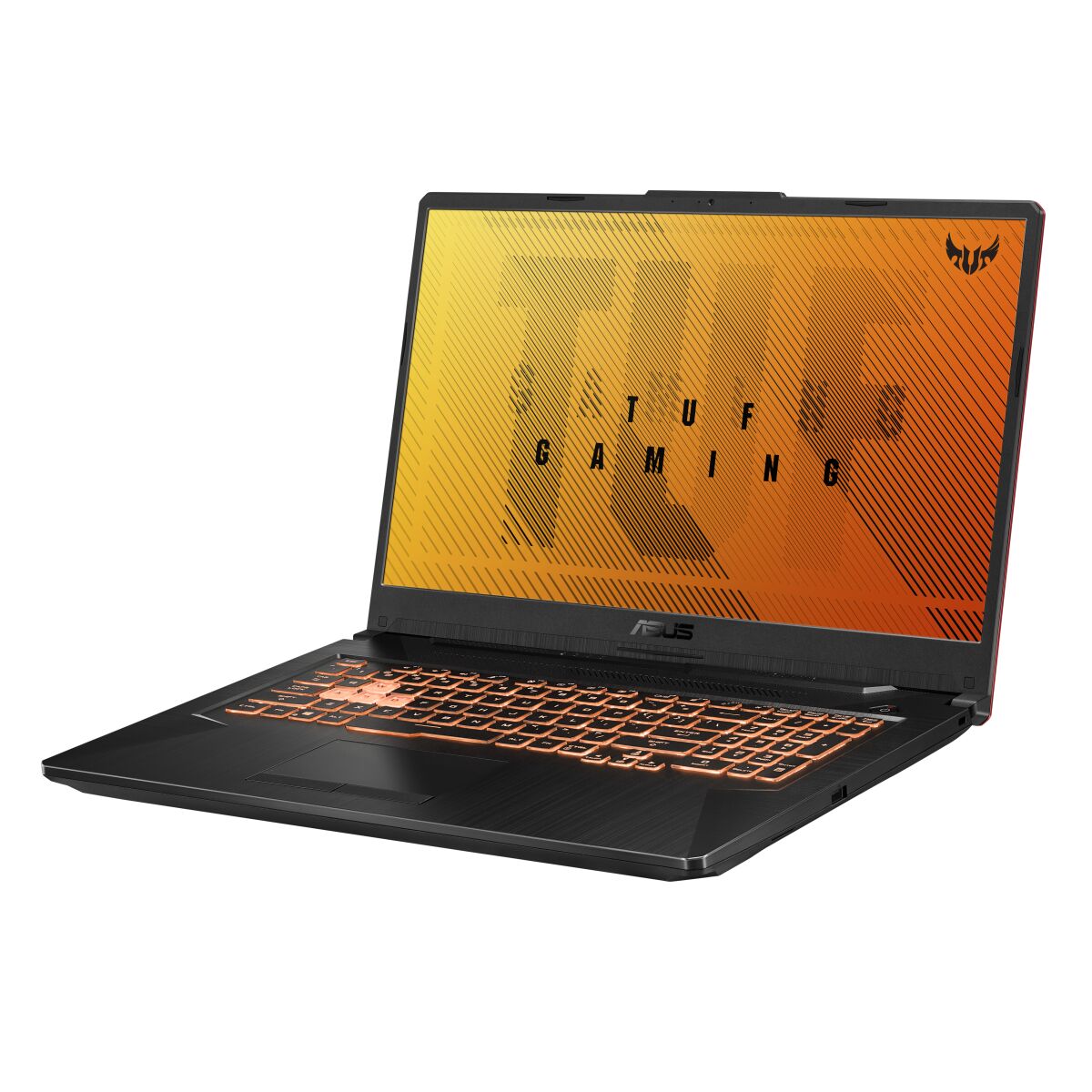
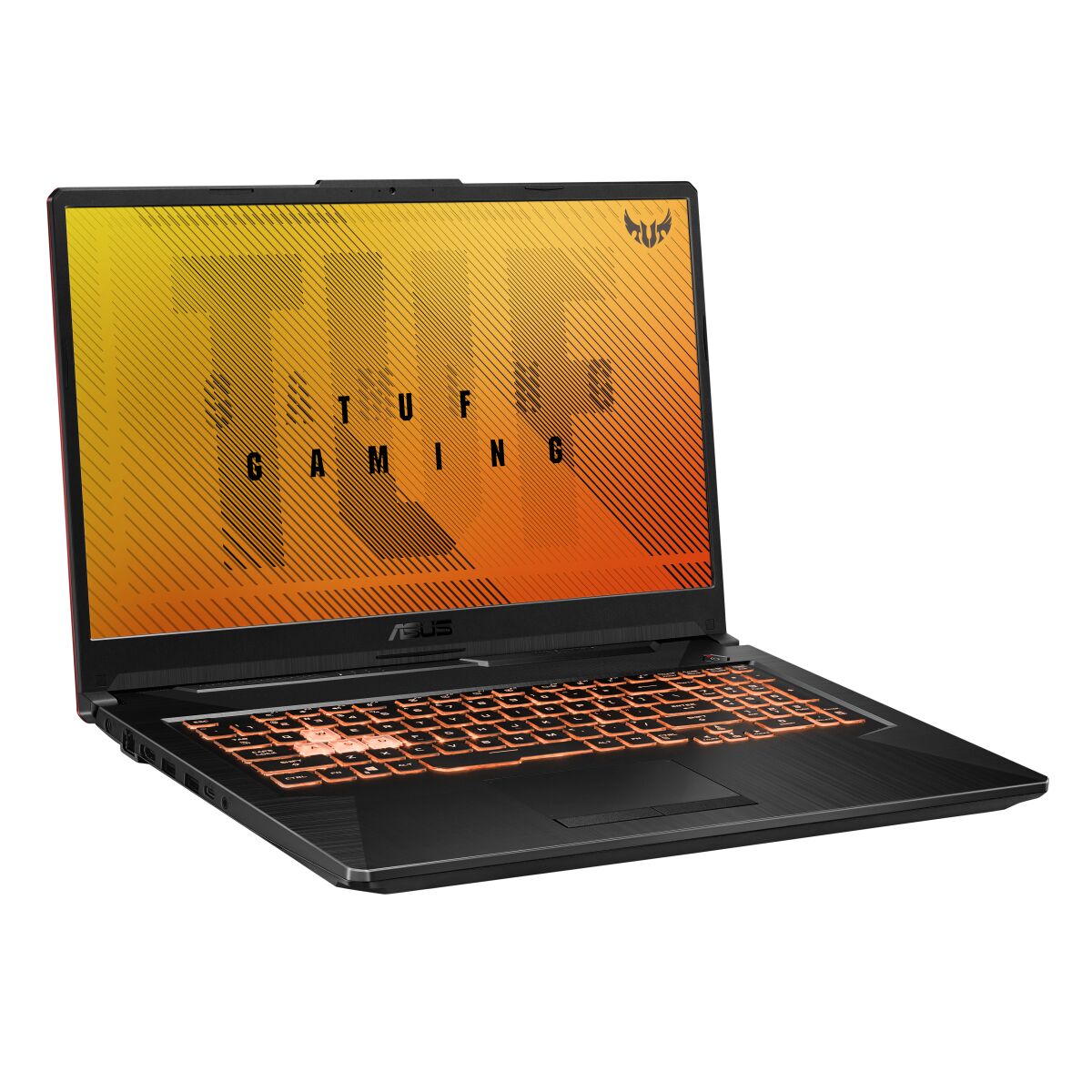
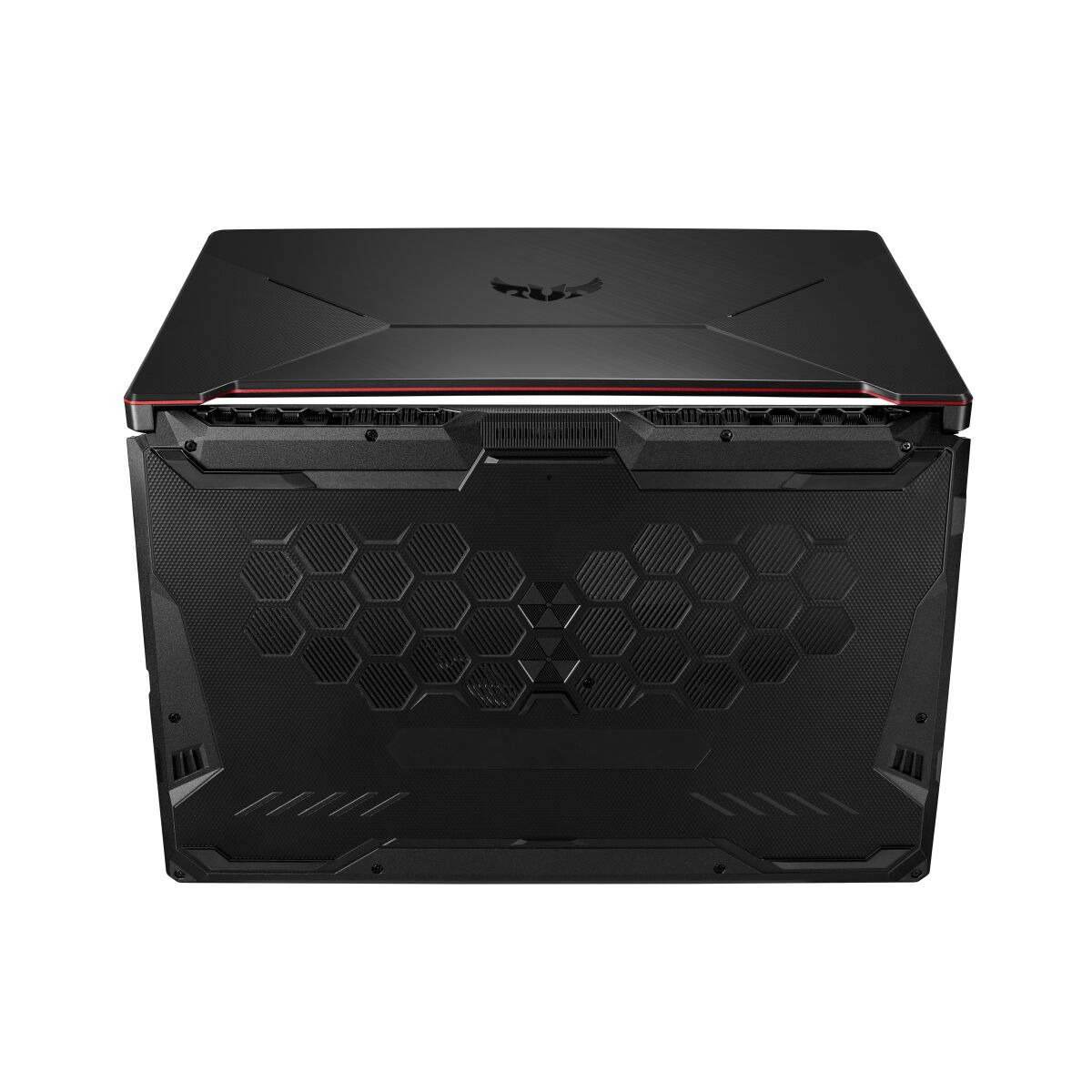
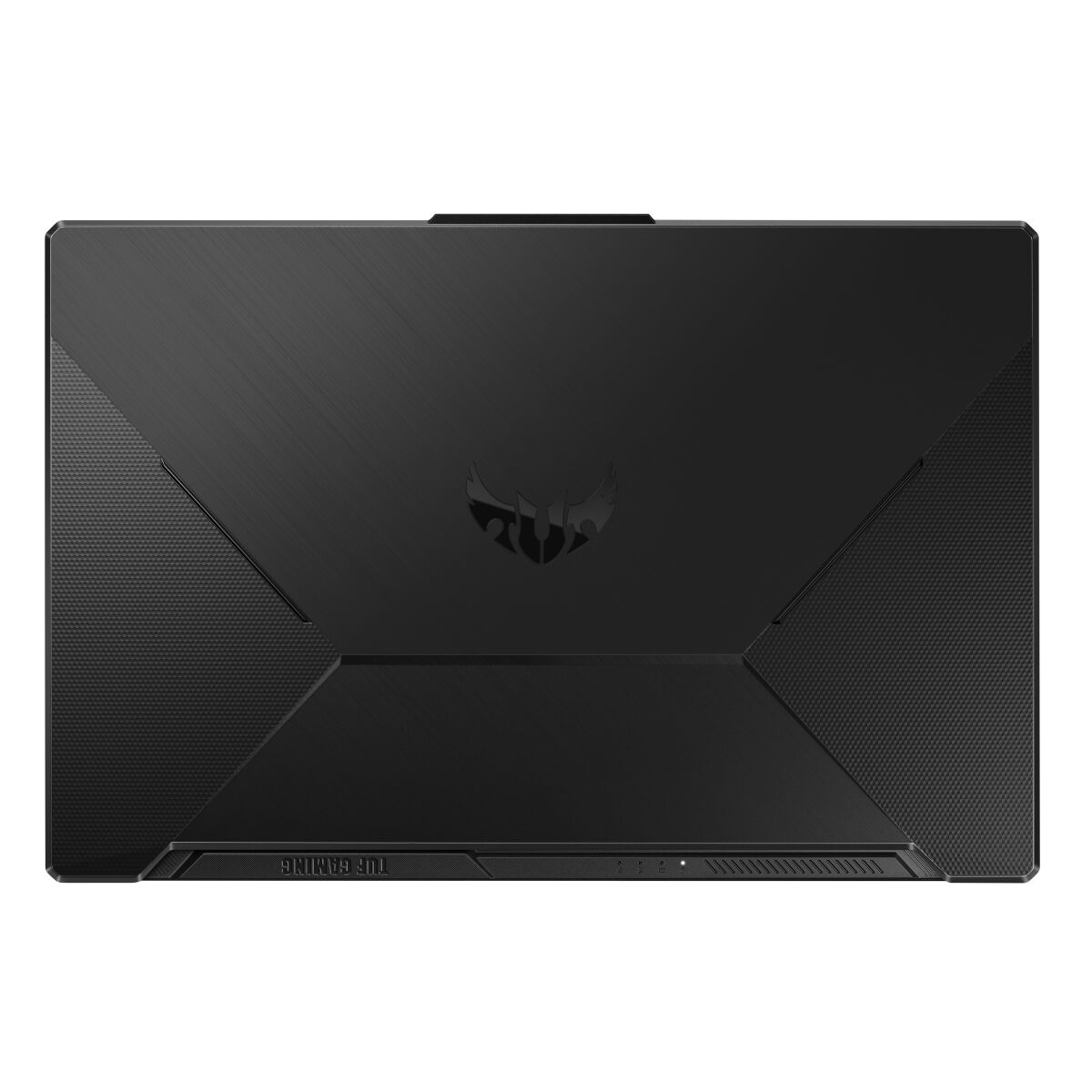
ASUS TUF Gaming F17 FX706LI-H7111T laptop RAM upgrade specifications include DDR4-SDRAM memory support with 2x SO-DIMM slots for maximum capacity of 32 GB. Memory operates at 2933 MHz frequency. Compatible upgrade modules must match DDR4-SDRAM specifications and SO-DIMM form factor. The device supports dual-channel memory configuration with total expandable capacity reaching 32 GB when both slots are populated with matching modules.
Memory Upgrade Specifications
| Specification | Value |
|---|---|
| Memory slots | 2x SO-DIMM |
| Form factor | SO-DIMM |
| Memory type | DDR4-SDRAM |
| Frequency | 2933 MHz |
| Maximum RAM | 32 GB |
| Voltage | 1.2V |
| Number of pins | 260-pin |
| Interface | PC4 |
| PC Speed Rating | PC4-2933 (PC4-23464) |
| Bandwidth | 23.5 GB/s |
| Laptop Release date | 16 January 2021 |
Additional Notes
- The ASUS TUF Gaming FX706LI-H7111T utilizes SO-DIMM modules rather than standard DIMM, requiring physically smaller memory sticks specifically designed for mobile platforms.
- The 32 GB ceiling indicates a chipset or CPU memory controller limitation that prevents recognition of higher-capacity modules even if physically installed.
- Both slots must be populated with identical capacity modules to enable dual-channel operation, which doubles memory bandwidth compared to single-channel configurations.
- Installing DDR4 modules rated above 2933 MHz will force automatic downclocking to the supported frequency, as the memory controller cannot operate beyond this speed.
- Mixing modules with different CAS latencies or timings between slots may cause the system to default to the slower module's specifications or fail to boot entirely.
- The absence of ECC support in consumer SO-DIMM slots means error-correcting memory will either operate in non-ECC mode or remain incompatible.
- Warranty preservation requires avoiding excessive force during module insertion, as SO-DIMM retention clips are more fragile than desktop DIMM mechanisms.
- Single-rank versus dual-rank module architecture affects maximum capacity per slot, with dual-rank DIMMs potentially providing better performance at equivalent total capacities.
- Thermal throttling becomes more likely with maximum capacity configurations, as densely populated memory generates additional heat in the confined laptop chassis.
- JEDEC-compliant modules ensure baseline compatibility, while XMP-profiled RAM will operate at JEDEC standard speeds unless manual BIOS tuning is applied.