ASUS TUF Gaming FX706LI-H7115T RAM upgrade specifications
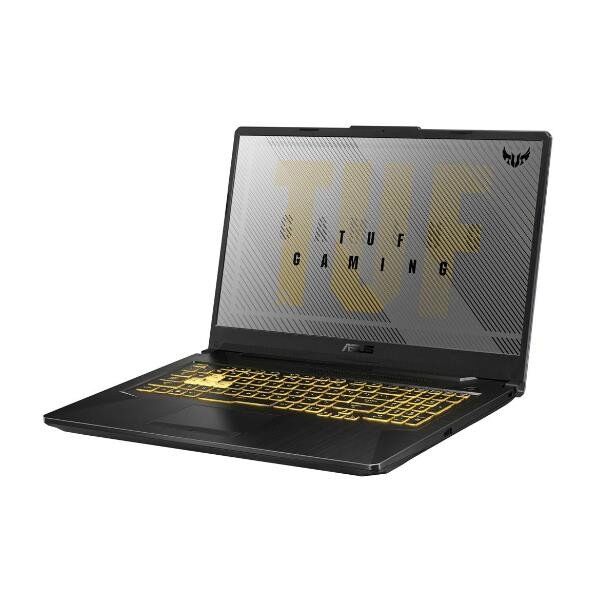
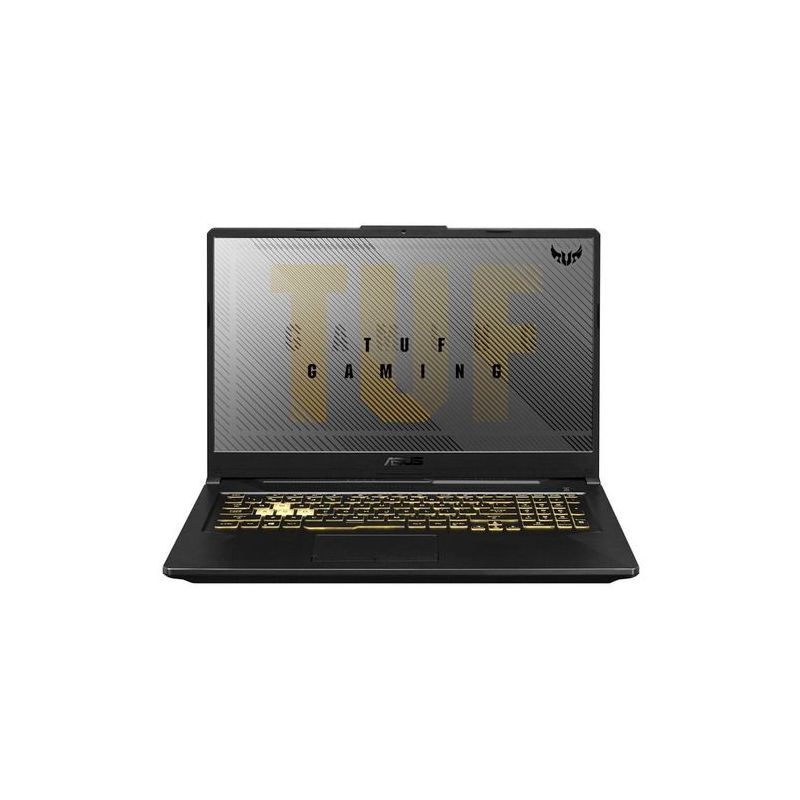
ASUS TUF Gaming F17 FX706LI-H7115T laptop supports DDR4-SDRAM memory upgrades through two SO-DIMM slots. Maximum RAM capacity reaches 32 GB total. Memory specifications include DDR4 technology operating at 2933 MHz frequency. Compatible upgrades utilize SO-DIMM form factor modules. Current memory configuration allows for expansion to support demanding applications and multitasking performance requirements.
Memory Upgrade Specifications
| Specification | Value |
|---|---|
| Memory slots | 2x SO-DIMM |
| Form factor | SO-DIMM |
| Memory type | DDR4-SDRAM |
| Frequency | 2933 MHz |
| Maximum RAM | 32 GB |
| Voltage | 1.2V |
| Number of pins | 260-pin |
| Interface | PC4 |
| PC Speed Rating | PC4-2933 (PC4-23464) |
| Bandwidth | 23.5 GB/s |
| Laptop Release date | 28 December 2020 |
Additional Notes
- The dual SO-DIMM configuration in the ASUS TUF Gaming FX706LI-H7115T necessitates matched pair installation for optimal dual-channel performance; installing a single module will force single-channel operation and reduce bandwidth throughput by approximately 50 percent.
- The 2933 MHz specification indicates JEDEC standard compliance rather than Intel XMP certification, meaning aftermarket modules rated for 3200 MHz or higher will automatically downclock to 2933 MHz without manual BIOS intervention, eliminating performance variance from speed-rated purchases.
- Upgrading from factory configuration to the 32 GB ceiling requires removing both existing modules simultaneously; the laptop design does not support incremental single-slot expansion pathways.
- SO-DIMM form factor constraints limit sourcing to laptop-specific memory stock; desktop DDR4 modules remain physically incompatible and cannot be adapted through external means.
- Maximum capacity saturation at 32 GB creates a fixed upgrade ceiling; future memory demands exceeding this threshold cannot be resolved through additional installation or supplementary storage subsystems.
- DDR4-SDRAM architecture predates current DDR5 standards, meaning this upgrade path remains isolated from next-generation memory technologies and cannot accommodate forward compatibility with future platform transitions.