ASUS TUF Gaming FX706LI-H7063T RAM upgrade specifications
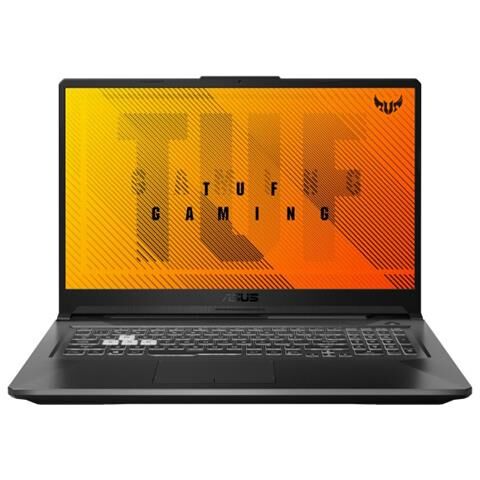

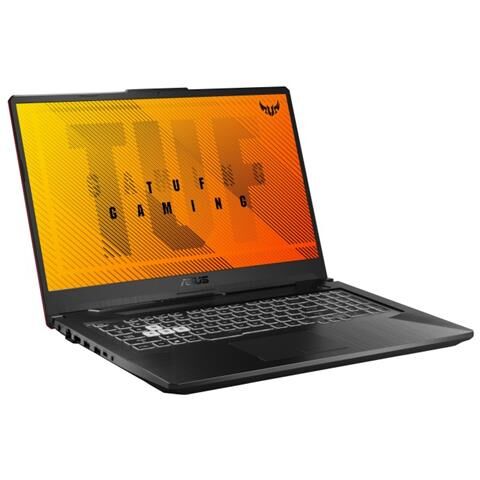
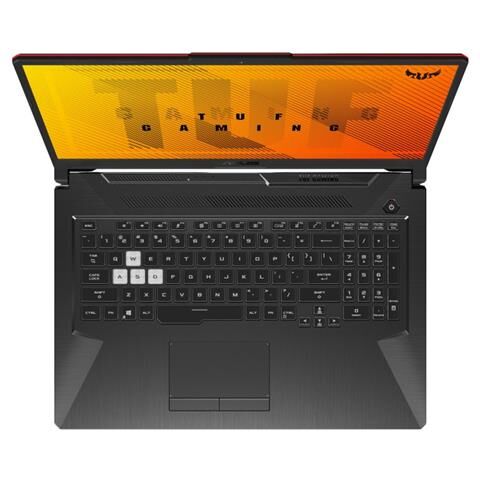
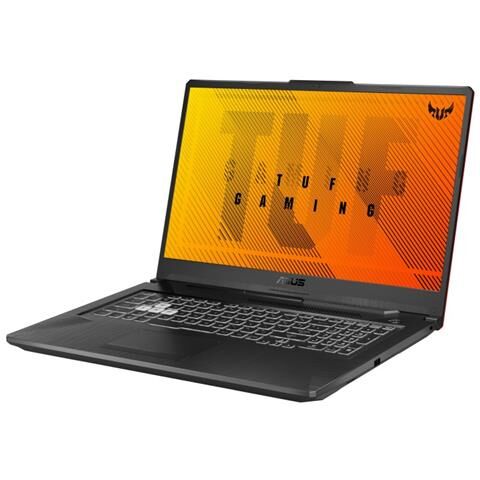
ASUS TUF Gaming FX706LI-H7063T laptop supports DDR4-SDRAM memory upgrades with two SO-DIMM slots available for expansion. The system accommodates a maximum RAM capacity of 32 GB total, operating at 2933 MHz frequency. Memory configuration combines on-board memory with SO-DIMM slot compatibility, enabling users to expand the existing RAM specifications through the dedicated upgrade slots. Compatible DDR4 modules can be installed to achieve the maximum supported capacity for enhanced system performance and multitasking capabilities.
Memory Upgrade Specifications
| Specification | Value |
|---|---|
| Memory slots | 2x SO-DIMM |
| Form factor | On-board + SO-DIMM |
| Memory type | DDR4-SDRAM |
| Frequency | 2933 MHz |
| Maximum RAM | 32 GB |
| Voltage | 1.2V |
| Number of pins | 260-pin |
| Interface | PC4 |
| PC Speed Rating | PC4-2933 (PC4-23464) |
| Bandwidth | 23.5 GB/s |
| Laptop Release date | 19 September 2020 |
Additional Notes
- The ASUS TUF Gaming FX706LI-H7063T contains one soldered memory module on the motherboard, restricting practical upgrade capacity to a single 16 GB SO-DIMM in the available slot, since the second slot must accommodate matching capacity for dual-channel operation at rated bandwidth.
- DDR4-2933 MHz operation depends on the installed processor's memory controller specifications; pairing with newer DDR4-3200 modules would result in automatic downclocking to 2933 MHz, rendering the premium pricing of faster modules ineffective.
- Upgrading from stock configuration to maximum capacity requires replacement rather than addition of existing memory, as removing factory-installed modules and installing 2x16 GB modules constitutes the only path to 32 GB total, incurring cost of both new modules and loss of original hardware.
- SO-DIMM form factor introduces tighter thermal conditions than standard DIMM modules; high-profile heatspreaders on upgrade memory may contact internal chassis structures or cooling elements, necessitating verification of clearance before purchase.
- Memory controller latency and bandwidth constraints at 2933 MHz may create bottlenecking under sustained GPU workloads typical in gaming scenarios, particularly with high-refresh-rate display configurations where system memory serves as intermediate buffer for graphics data.
- Warranty coverage for RAM upgrades installed by end users typically remains valid under manufacturer policy, provided modules meet OEM specifications; non-matching DDR4 speed grades or third-party modules outside qualified vendor lists may void memory-related support claims.