ASUS TUF Gaming FX706LI-H7172T RAM upgrade specifications

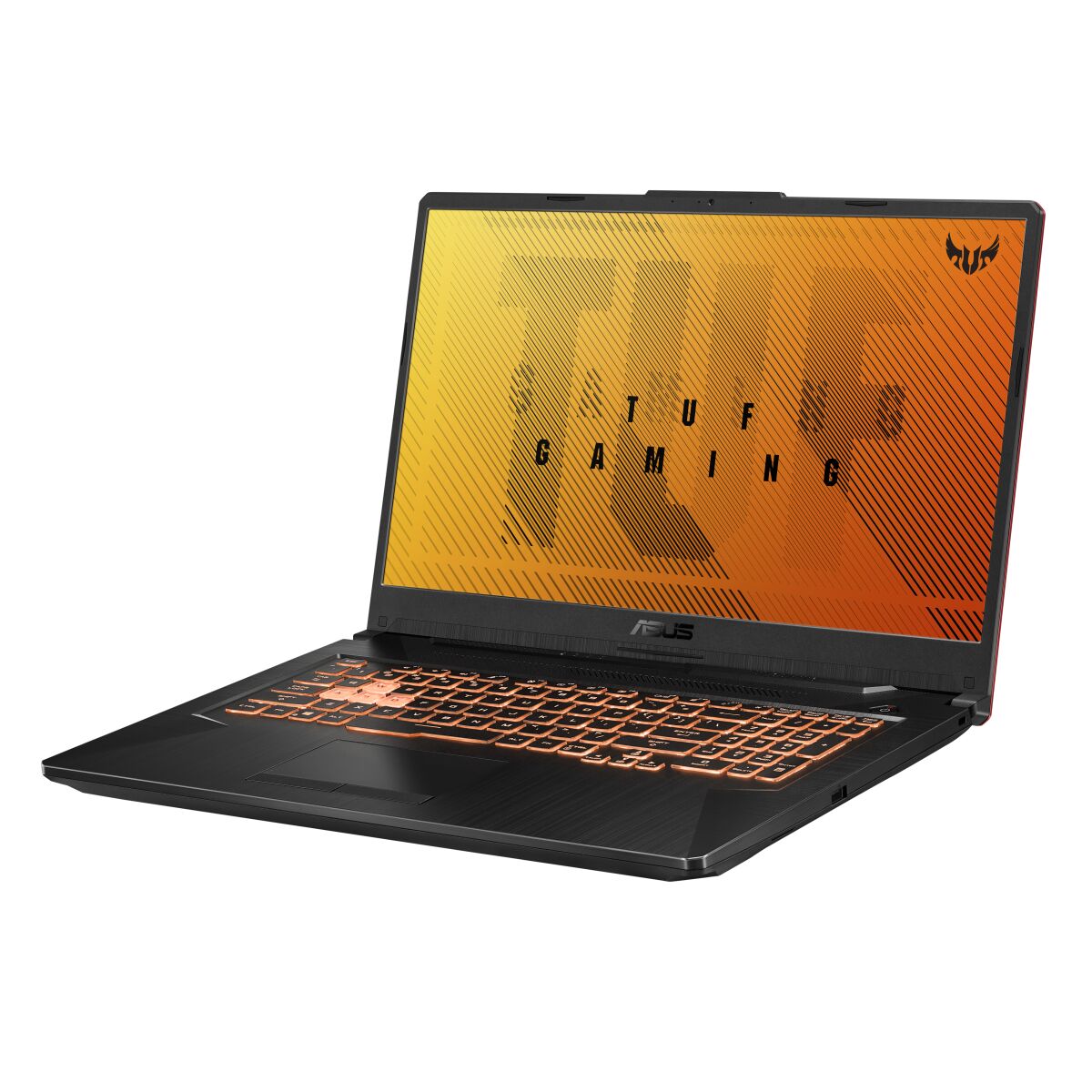
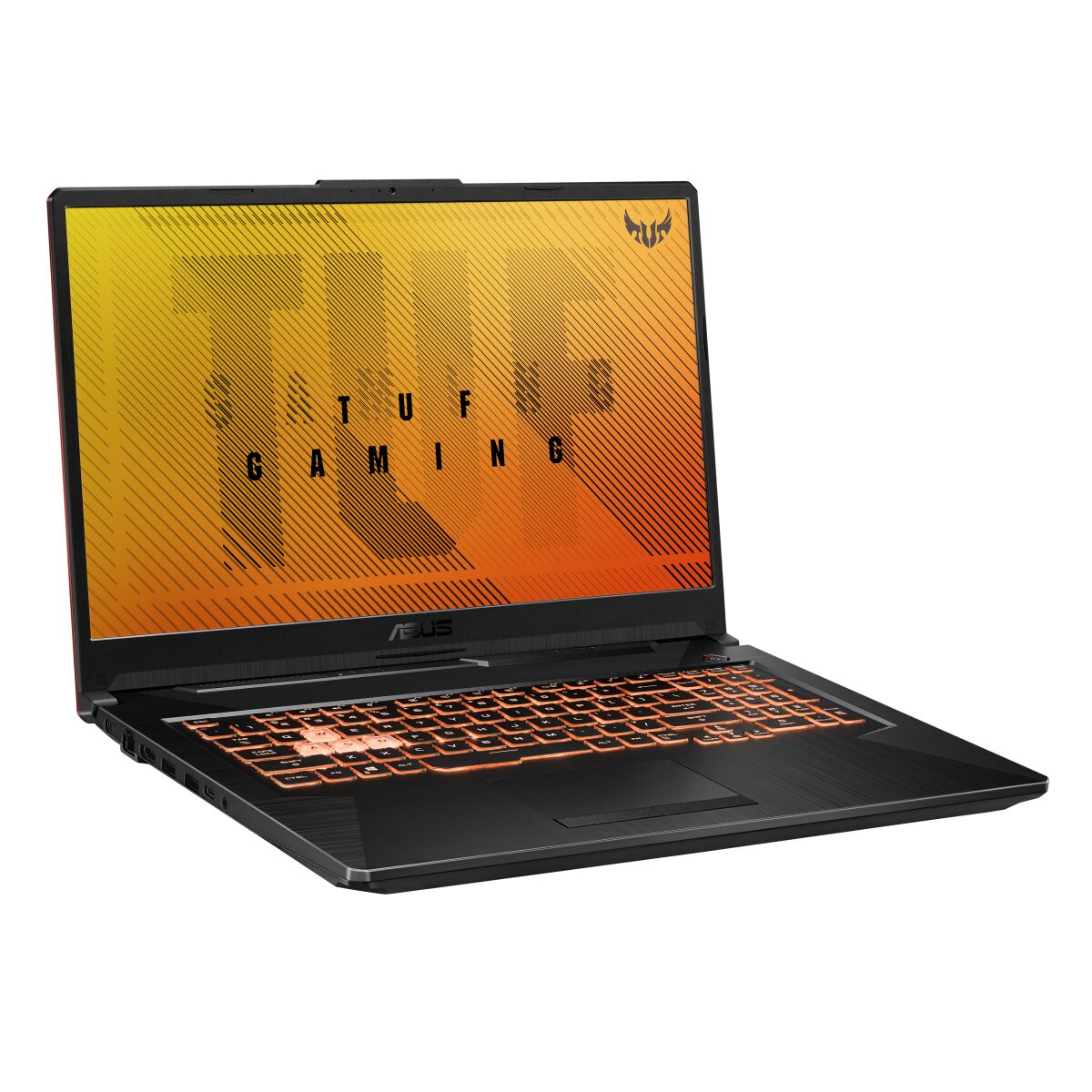
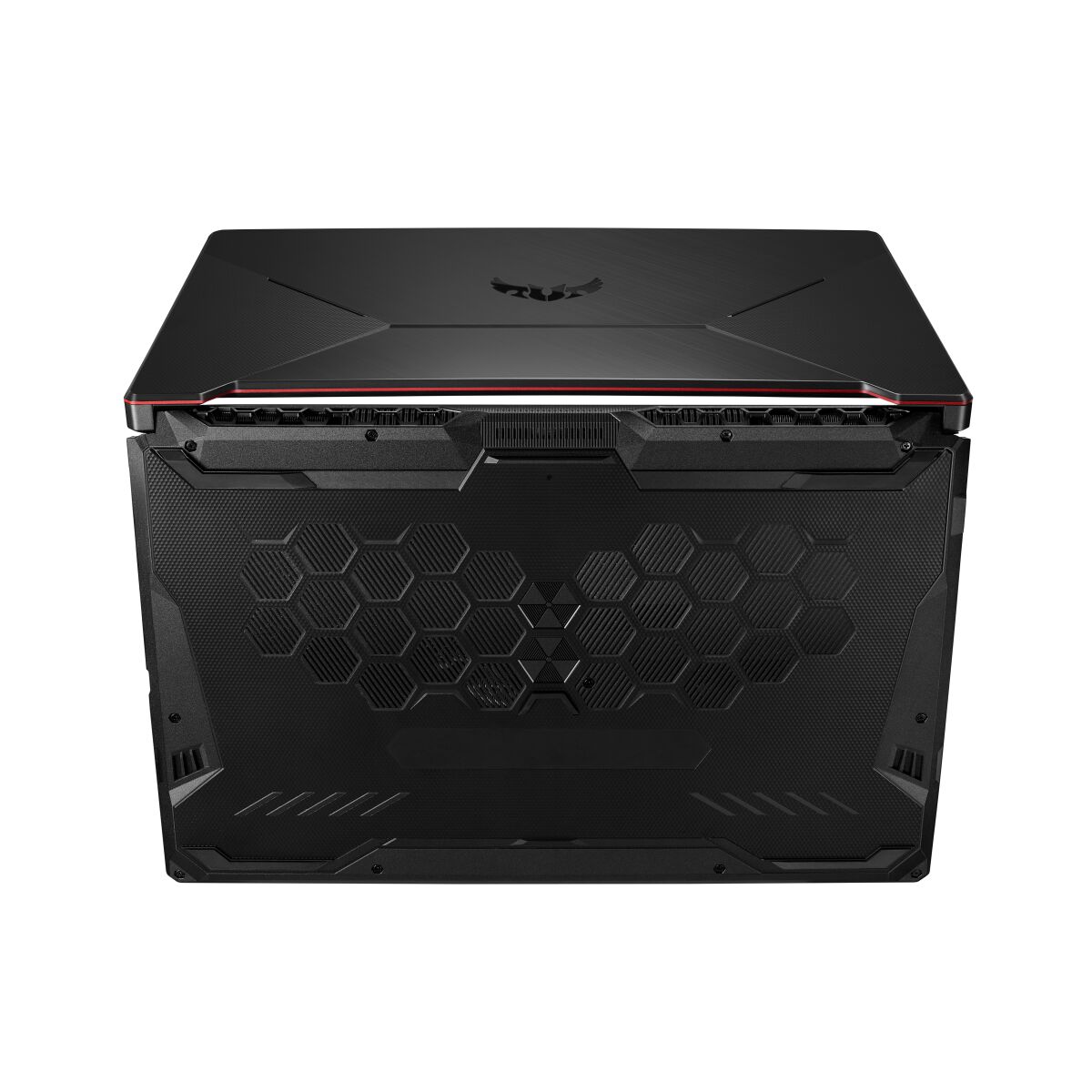
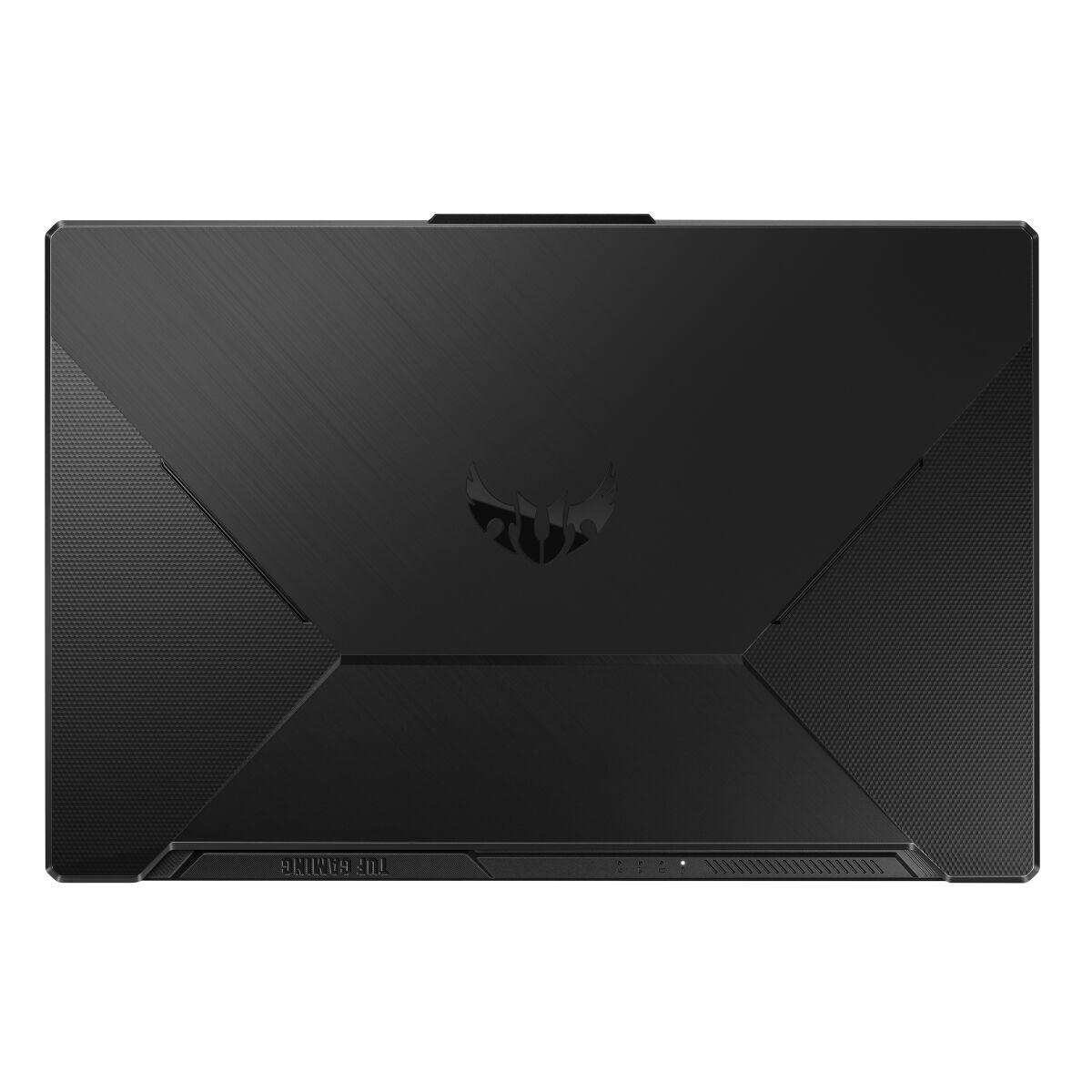
ASUS TUF Gaming F17 series FX706LI-H7172T laptop features two SO-DIMM memory slots supporting DDR4-SDRAM upgrade specifications. The compatible memory upgrade specifications accommodate a maximum capacity of 32 GB total RAM. Each slot accepts SO-DIMM form factor modules operating at 2933 MHz frequency. Current memory configuration and available slots allow for RAM expansion compatible with DDR4 specifications for the FX706LI-H7172T model within the TUF Gaming family.
Memory Upgrade Specifications
| Specification | Value |
|---|---|
| Memory slots | 2x SO-DIMM |
| Form factor | SO-DIMM |
| Memory type | DDR4-SDRAM |
| Frequency | 2933 MHz |
| Maximum RAM | 32 GB |
| Voltage | 1.2V |
| Number of pins | 260-pin |
| Interface | PC4 |
| PC Speed Rating | PC4-2933 (PC4-23464) |
| Bandwidth | 23.5 GB/s |
| Laptop Release date | 07 February 2021 |
Additional Notes
- The ASUS TUF Gaming FX706LI-H7172T relies on DDR4-2933 as its native specification, meaning modules rated at higher frequencies such as 3200 MHz will downclock to 2933 MHz, potentially wasting the price premium paid for faster kits.
- The 32 GB ceiling enforces a practical configuration of either 2x16 GB modules or a single 32 GB stick paired with an empty slot, while mixed-capacity arrangements like 16 GB plus 8 GB will disable dual-channel operation for the exceeding portion.
- SO-DIMM physical dimensions differ fundamentally from desktop DIMM modules, requiring laptop-specific memory purchases that cannot be sourced from standard desktop RAM inventories.
- Both memory channels must contain identical speed and timing modules to maintain dual-channel bandwidth at 46.9 GB/s theoretical maximum, as mismatched pairs revert to the slower module's specifications across both slots.
- The 2933 MHz native frequency predates JEDEC's DDR4-3200 standard adoption in mainstream laptop platforms, positioning this system within Intel's 10th generation Comet Lake architecture constraints rather than newer 11th generation specifications.
- Pre-installed RAM configurations occupying both slots necessitate complete module removal before upgrading, preventing cost-effective single-slot additions unless the factory configuration uses only one populated slot.
- Voltage requirements remain fixed at DDR4's standard 1.2V specification, eliminating compatibility concerns with low-voltage or overclocking-oriented XMP profiles that laptop BIOS implementations typically ignore.
- The absence of ECC support in consumer SO-DIMM slots means error-correcting memory modules will function in non-ECC mode only, offering no advantage over standard unbuffered modules while carrying higher costs.
- Thermal constraints within the chassis limit sustained memory performance under combined CPU and GPU loads, where DDR4-2933's lower heat output compared to theoretical 3200 MHz operation provides passive thermal headroom.