ASUS TUF Gaming FX707VI-NS74 RAM upgrade specifications


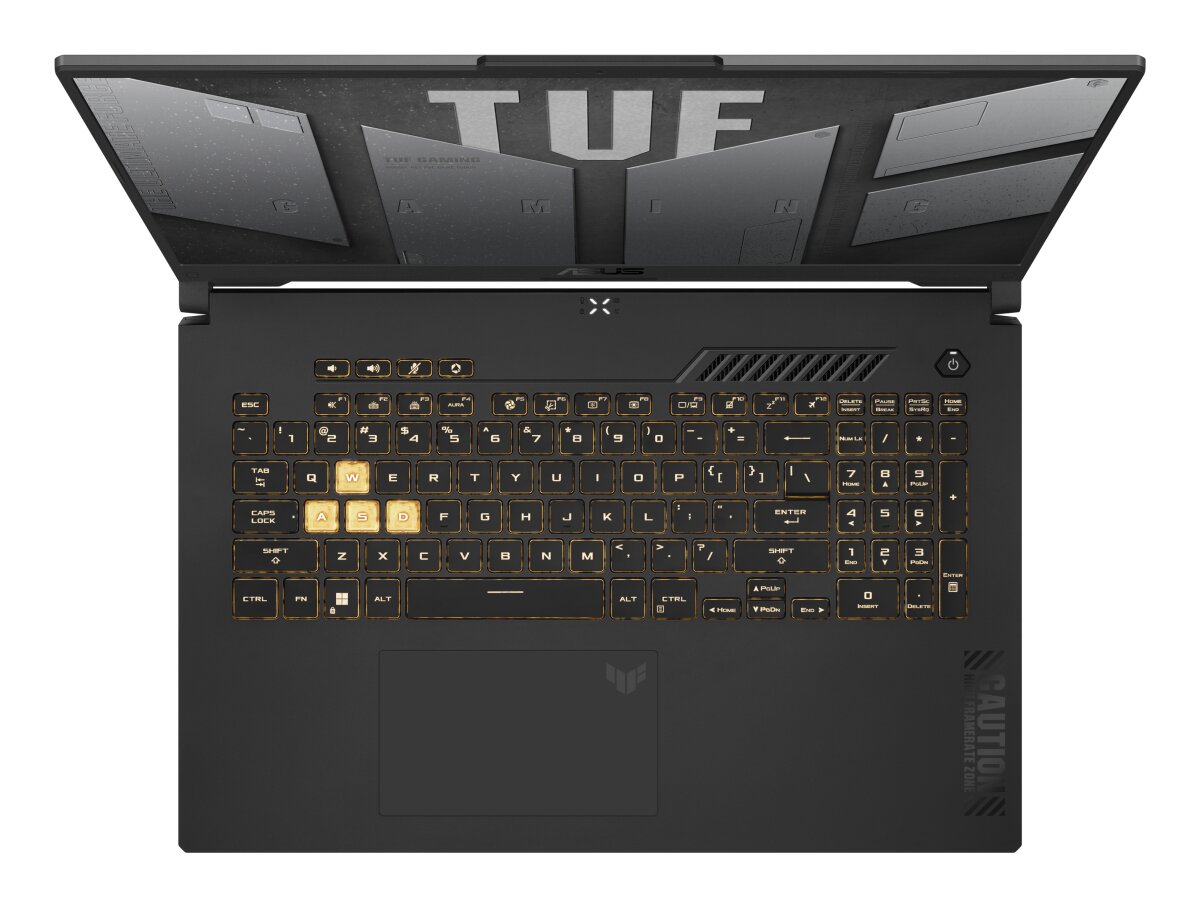


The ASUS TUF Gaming F17 FX707VI-NS74 features DDR5-SDRAM memory upgrade specifications with two SO-DIMM slots supporting maximum capacity of 32 GB RAM. Compatible memory operates at 4800 MHz frequency. Upgrade configurations allow installation of DDR5 SO-DIMM modules up to the specified maximum capacity. Memory slots accommodate standard SO-DIMM form factor modules meeting DDR5 specifications for this gaming laptop model.
Memory Upgrade Specifications
| Specification | Value |
|---|---|
| Memory slots | 2x SO-DIMM |
| Form factor | SO-DIMM |
| Memory type | DDR5-SDRAM |
| Frequency | 4800 MHz |
| Maximum RAM | 32 GB |
| Voltage | 1.1V |
| Number of pins | 262-pin |
| Interface | PC5 |
| PC Speed Rating | PC5-4800 (PC5-38400) |
| Bandwidth | 38.4 GB/s |
Additional Notes
- The ASUS TUF Gaming FX707VI-NS74 relies on DDR5 SO-DIMM modules, which are physically incompatible with DDR4 slots due to different notch positioning and electrical signaling, preventing accidental installation of older generation memory.
- The 32 GB ceiling across 2 slots limits individual module capacity to 16 GB maximum per slot, requiring matched density pairs for dual-channel operation and precluding future expansion beyond this threshold without motherboard replacement.
- DDR5 architecture operates with on-die ECC and dual-channel per module design, meaning each SO-DIMM internally manages two 32-bit channels compared to DDR4's single 64-bit channel, which affects memory controller interaction and thermal characteristics.
- Native 4800 MHz operation assumes JEDEC standard timings without XMP or overclocking profiles, as laptop BIOS implementations typically lock memory multipliers to preserve thermal envelopes and power delivery stability.
- SO-DIMM voltage for DDR5 standardizes at 1.1V compared to DDR4's 1.2V, reducing power consumption but requiring PMIC integration on each module, which increases individual DIMM costs and complicates third-party replacement sourcing.
- Dual-slot population enables true dual-channel bandwidth totaling 76.8 GB/s theoretical throughput at 4800 MHz, whereas single-module configurations halve this bandwidth and create performance asymmetry in memory-intensive workloads.
- Mixing modules with different speeds forces the memory controller to downclock all DIMMs to the slowest module's frequency, negating any performance benefit from higher-spec components and potentially introducing stability issues from mismatched SPD timings.
- The SO-DIMM form factor's reduced PCB area compared to desktop DIMMs limits trace routing options, making higher-frequency DDR5 modules above 5600 MHz increasingly scarce and expensive in this package type.
- Warranty preservation typically requires avoiding disassembly of chassis sections sealed with tamper-evident labels, though memory compartment access doors generally remain outside these restricted zones on gaming-oriented models.
- DDR5's higher burst length of 16 compared to DDR4's 8 improves sequential access efficiency but can introduce latency penalties in random access patterns, affecting workloads with scattered memory references differently than synthetic benchmarks suggest.