ASUS TUF Gaming FX707VV-HX145W RAM upgrade specifications


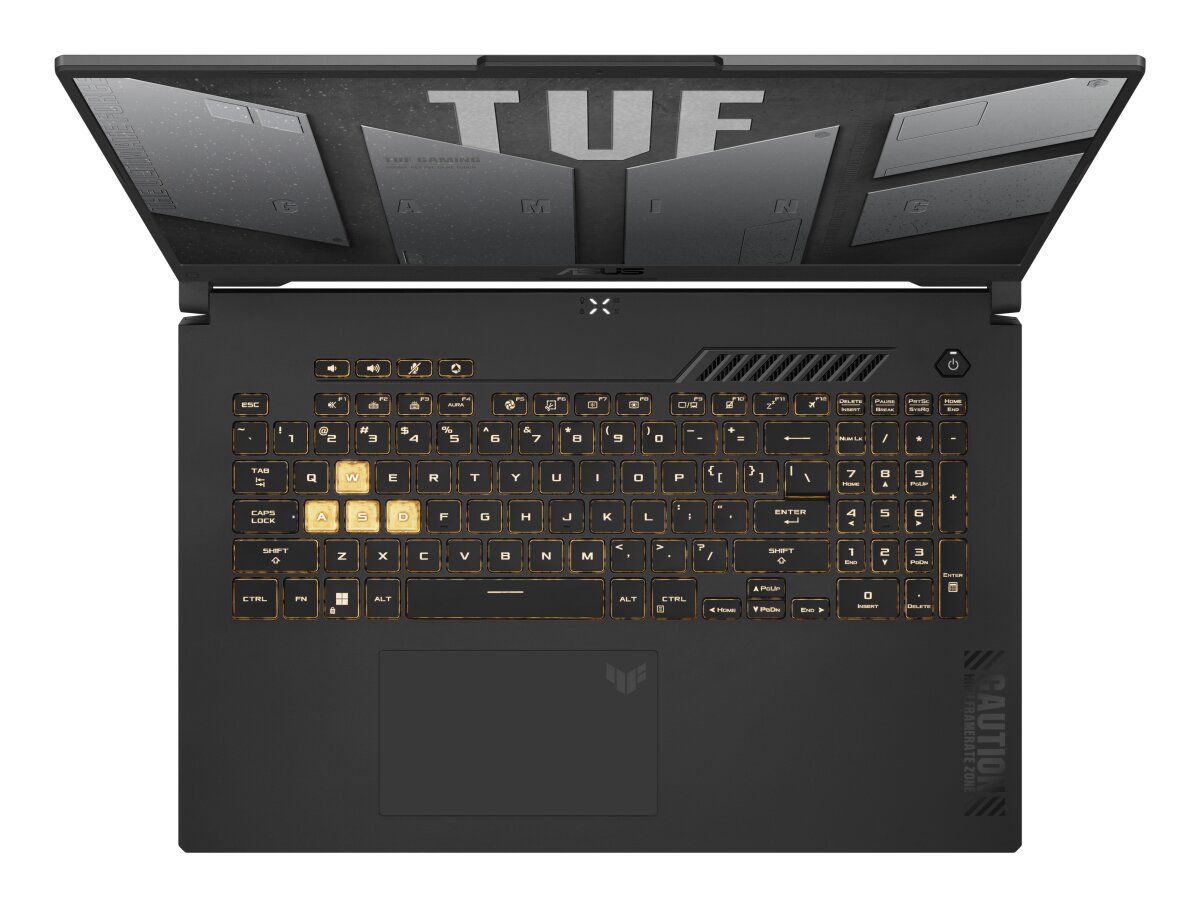


ASUS TUF Gaming FX707VV-HX145W memory upgrade specifications include two SO-DIMM slots supporting DDR5-SDRAM modules at 4800 MHz frequency. Maximum RAM capacity reaches 32 GB total. Compatible memory upgrades utilize SO-DIMM form factor modules. Specifications define the memory upgrade parameters and slot configuration for the FX707VV-HX145W laptop model within ASUS TUF Gaming F17 series.
Memory Upgrade Specifications
| Specification | Value |
|---|---|
| Memory slots | 2x SO-DIMM |
| Form factor | SO-DIMM |
| Memory type | DDR5-SDRAM |
| Frequency | 4800 MHz |
| Maximum RAM | 32 GB |
| Voltage | 1.1V |
| Number of pins | 262-pin |
| Interface | PC5 |
| PC Speed Rating | PC5-4800 (PC5-38400) |
| Bandwidth | 38.4 GB/s |
Additional Notes
- The ASUS TUF Gaming FX707VV-HX145W enforces a 32 GB ceiling due to chipset or BIOS limitations rather than physical slot availability, preventing configurations with 48 GB or 64 GB total capacity.
- DDR5 modules operating at speeds exceeding 4800 MHz will downclock to match platform specifications, rendering higher-frequency kits financially inefficient without performance gain.
- SO-DIMM DDR5 physical keying differs from DDR4 modules, making accidental insertion of previous-generation memory mechanically impossible.
- Dual-channel bandwidth reaches 76.8 GB/s theoretical maximum with both slots populated at 4800 MHz, while single-module configurations halve transfer rates to 38.4 GB/s.
- Mixing modules with different latency timings forces both DIMMs to operate at the slower CAS latency specification, potentially degrading performance in memory-sensitive workloads.
- Non-matching capacity pairs remain functional but disable performance-optimized interleaving on unequal memory portions, creating asymmetric channel utilization.
- Accessing installed SO-DIMMs typically requires bottom panel removal rather than dedicated access doors, complicating field upgrades compared to older chassis designs.
- DDR5's on-die ECC operates transparently for data integrity but does not provide system-level error reporting available in server-grade unbuffered ECC SO-DIMMs.
- Upgrading beyond factory-installed capacity may void regional warranty coverage depending on jurisdiction-specific consumer protection laws and manufacturer policies.
- Thermal constraints in gaming laptop enclosures make high-density 32 GB SO-DIMMs more susceptible to throttling compared to matched 16 GB pairs under sustained memory-intensive operations.
- Voltage regulation occurs on DDR5 modules themselves at 1.1V rather than motherboard delivery, reducing compatibility issues but increasing per-module power management complexity.
- Jedec-standard 4800 MHz modules ensure broad compatibility, while XMP or EXPO profiles designed for desktop platforms may not activate properly in mobile BIOS implementations.