ASUS TUF Gaming FX707VV-HX240W RAM upgrade specifications



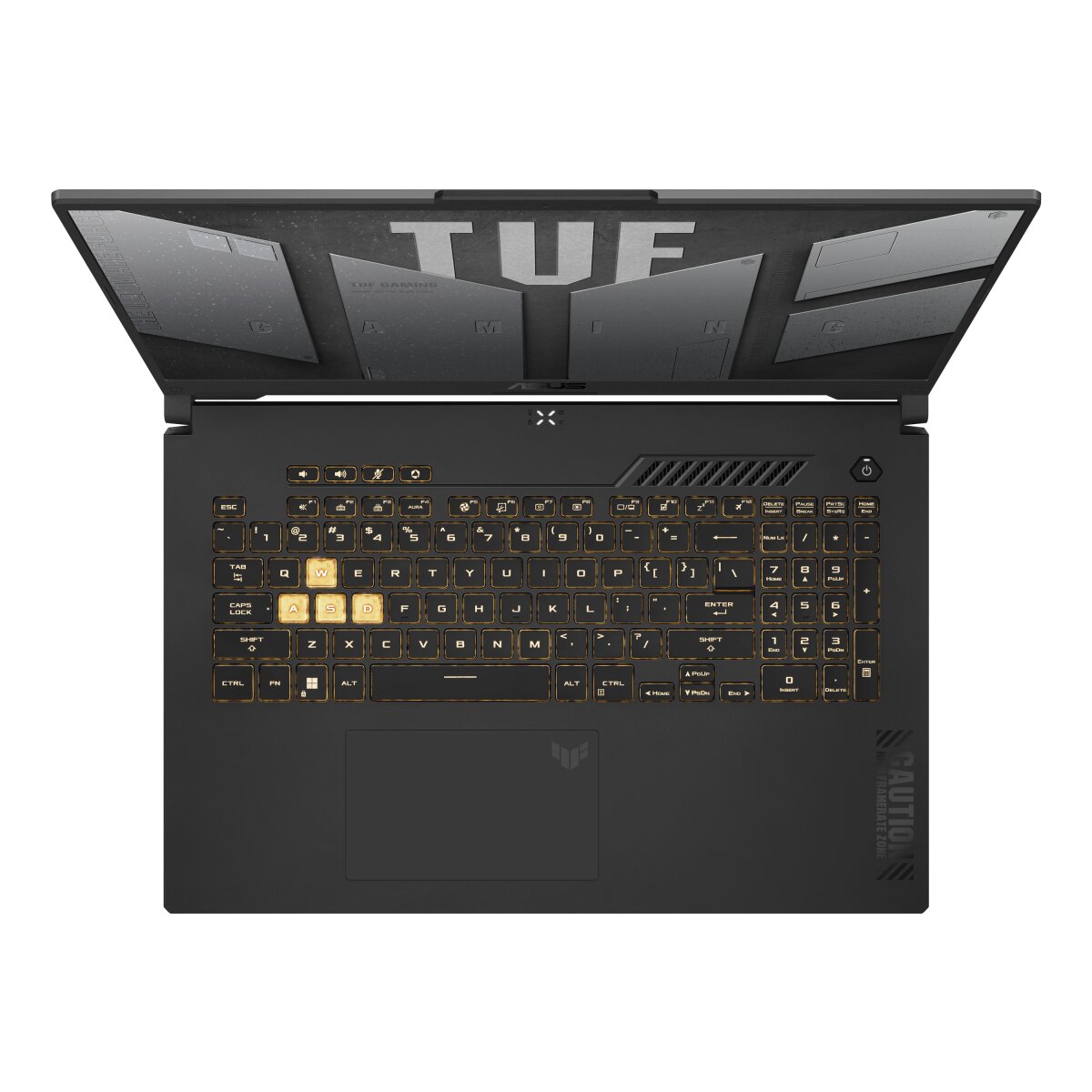
The ASUS TUF Gaming FX707VV-HX240W features DDR5-SDRAM memory upgrade capabilities with two SO-DIMM slots supporting maximum RAM capacity of 64 GB. The laptop specifications accommodate DDR5 memory modules operating at 4800 MHz frequency. Compatible memory upgrades utilize the SO-DIMM form factor standard for this gaming model. Owners requiring increased system memory can expand capacity through the available upgrade slots within the FX707VV-HX240W specifications.
Memory Upgrade Specifications
| Specification | Value |
|---|---|
| Memory slots | 2x SO-DIMM |
| Form factor | SO-DIMM |
| Memory type | DDR5-SDRAM |
| Frequency | 4800 MHz |
| Maximum RAM | 64 GB |
| Voltage | 1.1V |
| Number of pins | 262-pin |
| Interface | PC5 |
| PC Speed Rating | PC5-4800 (PC5-38400) |
| Bandwidth | 38.4 GB/s |
Additional Notes
- The ASUS TUF Gaming FX707VV-HX240W accepts DDR5 modules exclusively, preventing installation of any DDR4 or older generation memory due to incompatible pin configurations and voltage requirements.
- DDR5 operates at 1.1V compared to DDR4's 1.2V, requiring motherboard firmware support for proper power delivery and timing parameters.
- The 4800 MHz specification represents JEDEC standard speed for DDR5, while higher frequency modules rated at 5200 MHz, 5600 MHz, or 6000 MHz will downclock to 4800 MHz due to chipset limitations.
- Both memory slots support dual-channel operation, delivering theoretical bandwidth of 76.8 GB/s when populated with matching capacity modules.
- Single-channel configuration occurs when only one slot is populated, reducing memory bandwidth by approximately 50% and potentially impacting integrated graphics performance.
- The 64 GB maximum capacity allows for 2x32 GB module configuration, though availability of 32 GB SO-DIMM DDR5 modules remains limited compared to desktop DIMM variants.
- SO-DIMM form factor measures 67.6mm in length versus 133.35mm for standard DIMM, making desktop memory modules physically incompatible regardless of specification matching.
- Mixing modules with different speeds results in all modules operating at the lowest common frequency, eliminating performance benefits of higher-rated memory.
- Mixing modules with different capacities while maintaining dual-channel mode requires identical capacity in each channel, otherwise asymmetric configuration activates flex mode with reduced performance.
- Access to memory slots typically requires bottom panel removal, with potential seal breakage that may affect warranty status depending on regional consumer protection regulations.
- DDR5 on-die ECC operates automatically without user configuration, correcting single-bit errors internally but differs from server-grade ECC that reports errors to the system.
- Higher density modules generate increased heat output, particularly 32 GB configurations, which may trigger thermal throttling in systems with restricted airflow around memory compartments.
- XMP 3.0 profiles embedded in aftermarket modules require BIOS support for activation, otherwise modules default to JEDEC 4800 MHz specification regardless of rated speed.
- Voltage requirements above 1.1V for overclocked DDR5 modules may exceed motherboard power delivery specifications, causing system instability or POST failure.
- CAS latency values for DDR5-4800 typically range from CL38 to CL40, with lower latency providing marginal performance improvements in memory-sensitive applications.