ASUS TUF Gaming FX707VV-RS74 RAM upgrade specifications
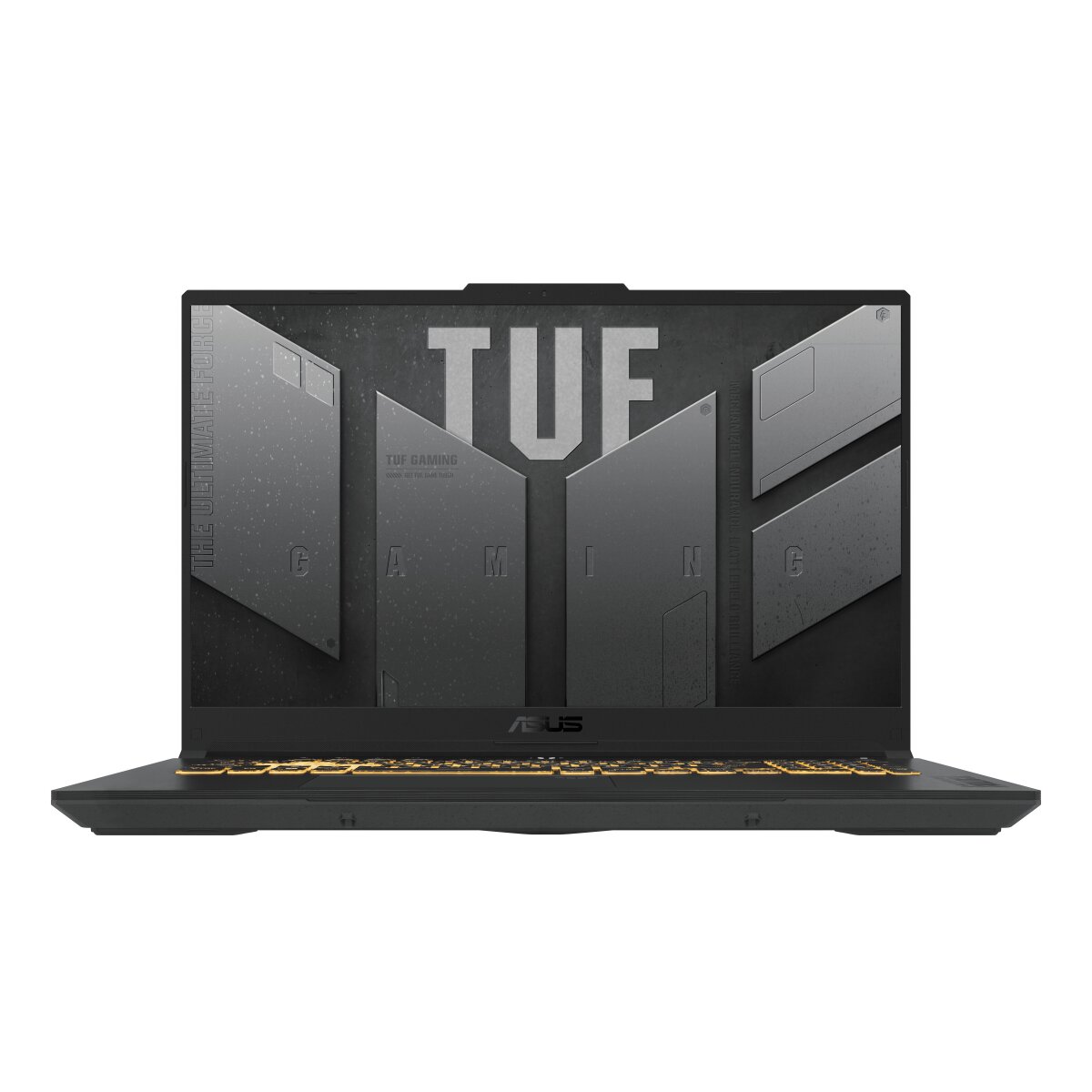



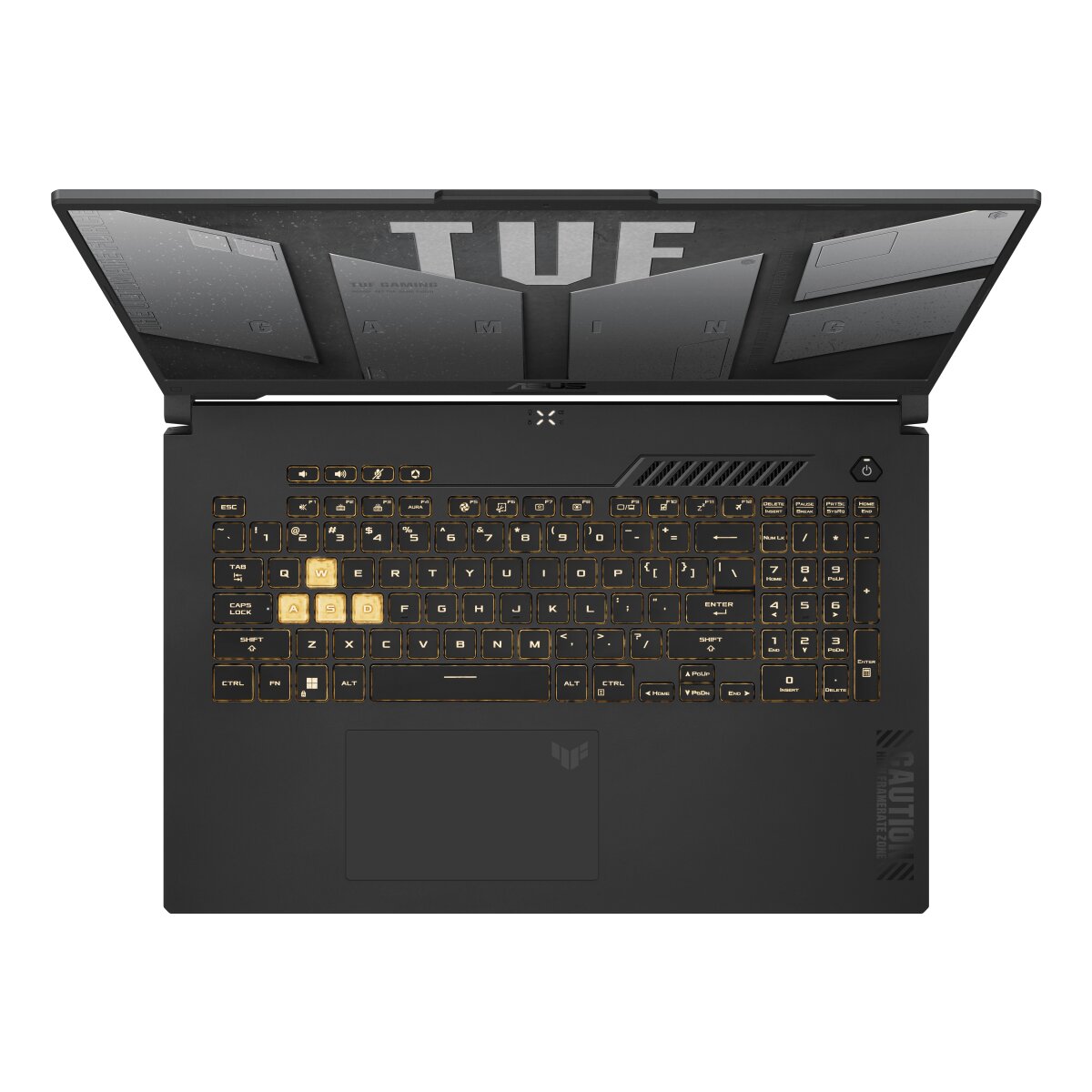
The ASUS TUF Gaming FX707VV-RS74 laptop features two SO-DIMM slots for DDR4-SDRAM memory upgrades. The system supports a maximum RAM capacity of 32 GB total, with compatible modules operating at 3200 MHz frequency. Current memory specifications and upgrade options are detailed to assist with compatible RAM selection for the FX707VV-RS74 model within the F17 series.
Memory Upgrade Specifications
| Specification | Value |
|---|---|
| Memory slots | 2x SO-DIMM |
| Form factor | SO-DIMM |
| Memory type | DDR4-SDRAM |
| Frequency | 3200 MHz |
| Maximum RAM | 32 GB |
| Voltage | 1.2V |
| Number of pins | 260-pin |
| Interface | PC4 |
| PC Speed Rating | PC4-3200 (PC4-25600) |
| Bandwidth | 25.6 GB/s |
| Laptop Release date | 10 February 2023 |
Additional Notes
- The DDR4 architecture limits peak theoretical bandwidth to 25.6 GB/s per channel, which may bottleneck GPU memory transfers during high-resolution texture streaming in demanding titles.
- The 32 GB ceiling reflects chipset addressing limitations rather than slot capacity, meaning dual 16 GB modules represent the only configuration for maximum memory.
- SO-DIMM form factor requires modules with 260-pin contacts and height restrictions under 30 mm to clear the chassis frame and thermal assembly.
- Installing mismatched module capacities across the 2 slots will force the memory controller to operate in single-channel mode, halving effective bandwidth to 12.8 GB/s.
- The 3200 MHz specification indicates JEDEC standard timing profiles, but the ASUS TUF Gaming FX707VV-RS74 BIOS may lack XMP support for higher-speed aftermarket modules.
- Upgrading beyond factory-installed capacity typically voids coverage only for damage directly caused by the installation, leaving other warranty protections intact under most regional consumer laws.
- Mixing DDR4 modules with different die revisions or manufacturers can trigger POST failures or force the controller to downclock all modules to the lowest common frequency.
- The absence of error-correcting code support means bit flips from cosmic rays or electrical noise will propagate unchecked, making non-ECC SO-DIMMs the only compatible option.
- Accessing the SO-DIMM slots requires removing the bottom panel, which on this chassis generation uses captive screws that remain attached to the cover to prevent loss during service.
- Operating at 3200 MHz requires 1.2V modules, as higher-voltage DDR4 variants designed for desktop overclocking will either fail to initialize or risk damaging the laptop's voltage regulation circuitry.