ASUS TUF Gaming FX707VV4-HX025 RAM upgrade specifications

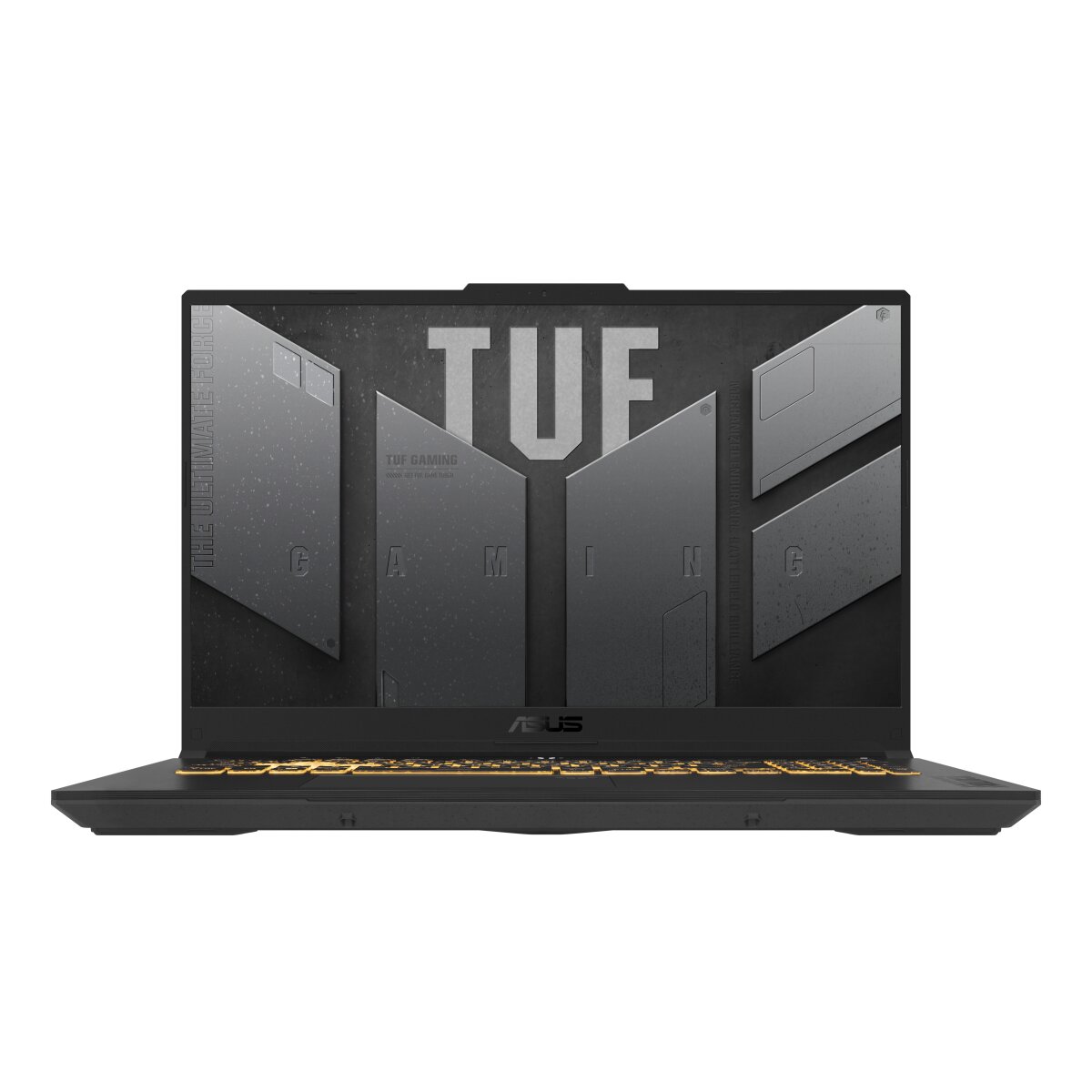



ASUS TUF Gaming F17 FX707VV4-HX025 features two SO-DIMM slots supporting DDR4-SDRAM memory at 3200 MHz frequency. Maximum RAM capacity reaches 32 GB total. The laptop accepts compatible DDR4 SO-DIMM modules for upgrade purposes. Current memory specifications allow for expansion up to the maximum supported capacity. DDR4-SDRAM upgrades maintain compatibility with the FX707VV4-HX025 configuration when utilizing available SO-DIMM slots.
Memory Upgrade Specifications
| Specification | Value |
|---|---|
| Memory slots | 2x SO-DIMM |
| Form factor | SO-DIMM |
| Memory type | DDR4-SDRAM |
| Frequency | 3200 MHz |
| Maximum RAM | 32 GB |
| Voltage | 1.2V |
| Number of pins | 260-pin |
| Interface | PC4 |
| PC Speed Rating | PC4-3200 (PC4-25600) |
| Bandwidth | 25.6 GB/s |
| Laptop Release date | 27 January 2023 |
Additional Notes
- DDR4 memory operates at 3200 MHz, which represents a fixed ceiling for any replacement modules; newer DDR5 memory is physically incompatible with SO-DIMM slot architecture in this generation and cannot be installed regardless of availability.
- The 2 SO-DIMM slot configuration means both slots must be populated to reach the 32 GB maximum; adding a single module leaves one slot empty and reduces dual-channel performance, creating a 20-25% memory bandwidth penalty versus matched pairs.
- SO-DIMM form factor occupies minimal physical space but demands precise handling during installation; the compact connector design offers no margin for misalignment, and improper seating triggers no-POST conditions that may appear identical to hardware failure.
- Upgrading the ASUS TUF Gaming FX707VV4-HX025 to 32 GB requires replacing both factory modules; retaining original DDR4-3200 SO-DIMMs alongside third-party equivalents may trigger JEDEC fallback to lower frequencies if modules lack matching SPD timing profiles.
- The 32 GB ceiling creates a hard limitation for workloads exceeding this threshold; virtual memory swap via the storage drive introduces 100-1000x latency penalties compared to physical RAM access and renders such applications non-viable on this platform.
- Memory upgrades fall outside most manufacturer warranty exclusions when performed by the end user; however, improper module insertion can bend connector pins inside the SO-DIMM slot, resulting in permanent socket damage that voids coverage.