ASUS TUF Gaming FX707ZC-ES52 RAM upgrade specifications

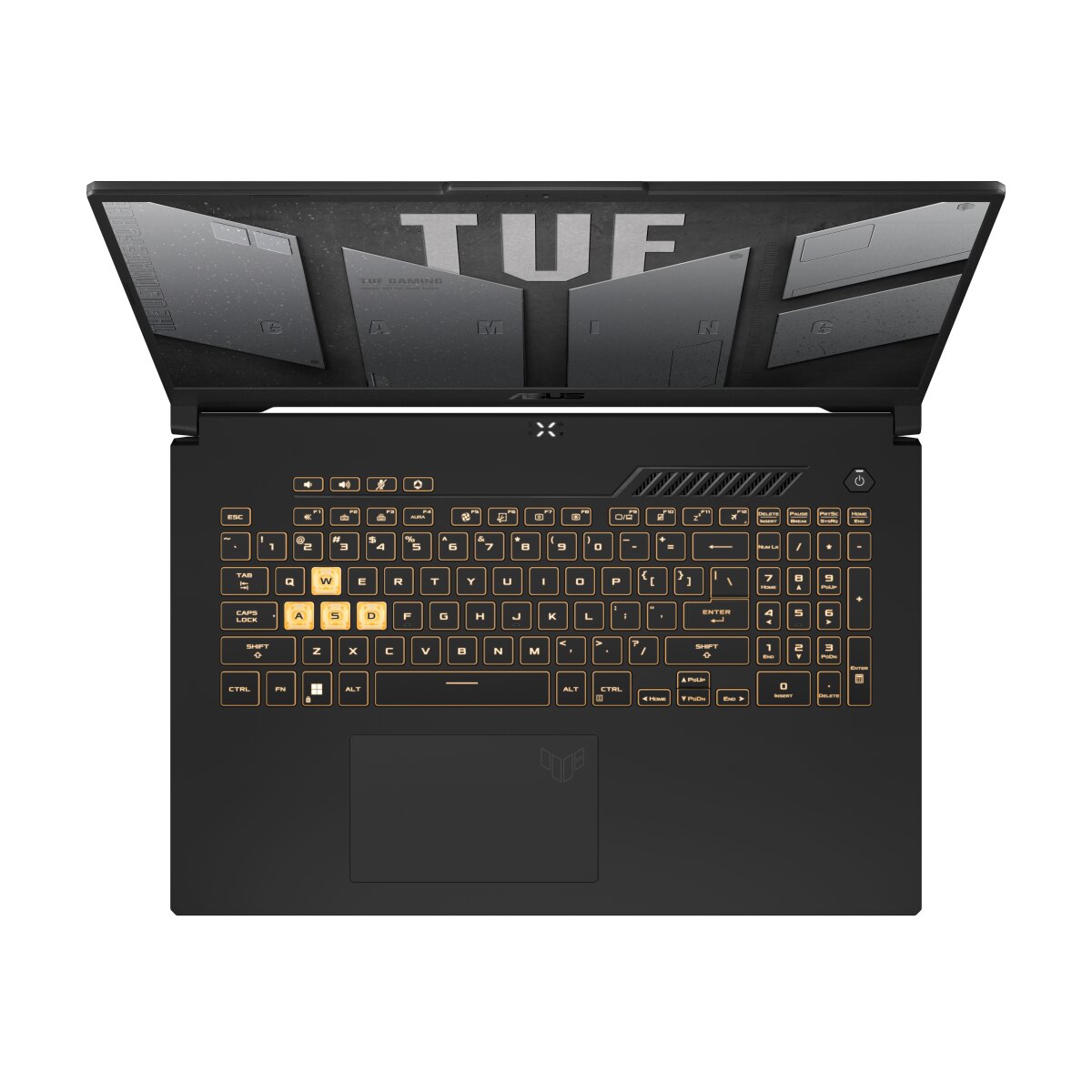



The ASUS TUF Gaming F17 FX707ZC-ES52 features two SO-DIMM slots for DDR4-SDRAM memory upgrades. The laptop supports a maximum RAM capacity of 24 GB with memory specifications compatible with DDR4-3200 MHz modules. Upgrade options allow users to configure compatible SO-DIMM memory modules across the available slots. The specifications indicate DDR4 memory compatibility and support for enhanced performance through RAM expansion within the 24 GB maximum capacity parameters. Memory upgrades utilize standard SO-DIMM form factor components.
Memory Upgrade Specifications
| Specification | Value |
|---|---|
| Memory slots | 2x SO-DIMM |
| Form factor | SO-DIMM |
| Memory type | DDR4-SDRAM |
| Frequency | 3200 MHz |
| Maximum RAM | 24 GB |
| Voltage | 1.2V |
| Number of pins | 260-pin |
| Interface | PC4 |
| PC Speed Rating | PC4-3200 (PC4-25600) |
| Bandwidth | 25.6 GB/s |
Additional Notes
- The ASUS TUF Gaming FX707ZC-ES52 uses SO-DIMM modules rather than standard desktop DIMMs, requiring purchasers to verify compatibility with the smaller laptop form factor before ordering replacement memory.
- The 24 GB maximum capacity limitation suggests an asymmetric configuration combining one 16 GB module with one 8 GB module, or a potential chipset restriction preventing full 32 GB population across both slots.
- Asymmetric memory configurations will disable dual-channel operation for the non-matched portion, creating a performance penalty in bandwidth-sensitive applications that exceed the matched capacity threshold.
- DDR4-3200 represents the baseline JEDEC standard speed, meaning modules rated at higher frequencies will downclock to 3200 MHz when installed, offering no performance advantage despite premium pricing.
- The 3200 MHz operating frequency provides a theoretical maximum bandwidth of 51.2 GB/s in dual-channel mode, which becomes critical for integrated graphics sharing system memory or CPU-intensive workloads.
- Accessing SO-DIMM slots typically requires removing the bottom panel, potentially voiding warranty seals on certain regional variants that restrict user-serviceable components.
- DDR4 voltage standards lock modules to 1.2V operation, eliminating concerns about overvoltage damage but also preventing manual voltage adjustments for stability troubleshooting.
- The 2-slot configuration eliminates incremental upgrade flexibility, forcing users to replace existing modules entirely rather than adding capacity to empty slots once both positions are populated.
- Mixing memory modules from different manufacturers or with different timings may force the system to adopt the slowest common timing profile, introducing latency increases even when frequency remains constant at 3200 MHz.
- SO-DIMM DDR4-3200 modules lack heatspreaders in most product lines due to laptop thermal design constraints, making memory temperature monitoring advisable during sustained high-utilization scenarios.