ASUS TUF Gaming FX707ZC4-HX008 RAM upgrade specifications
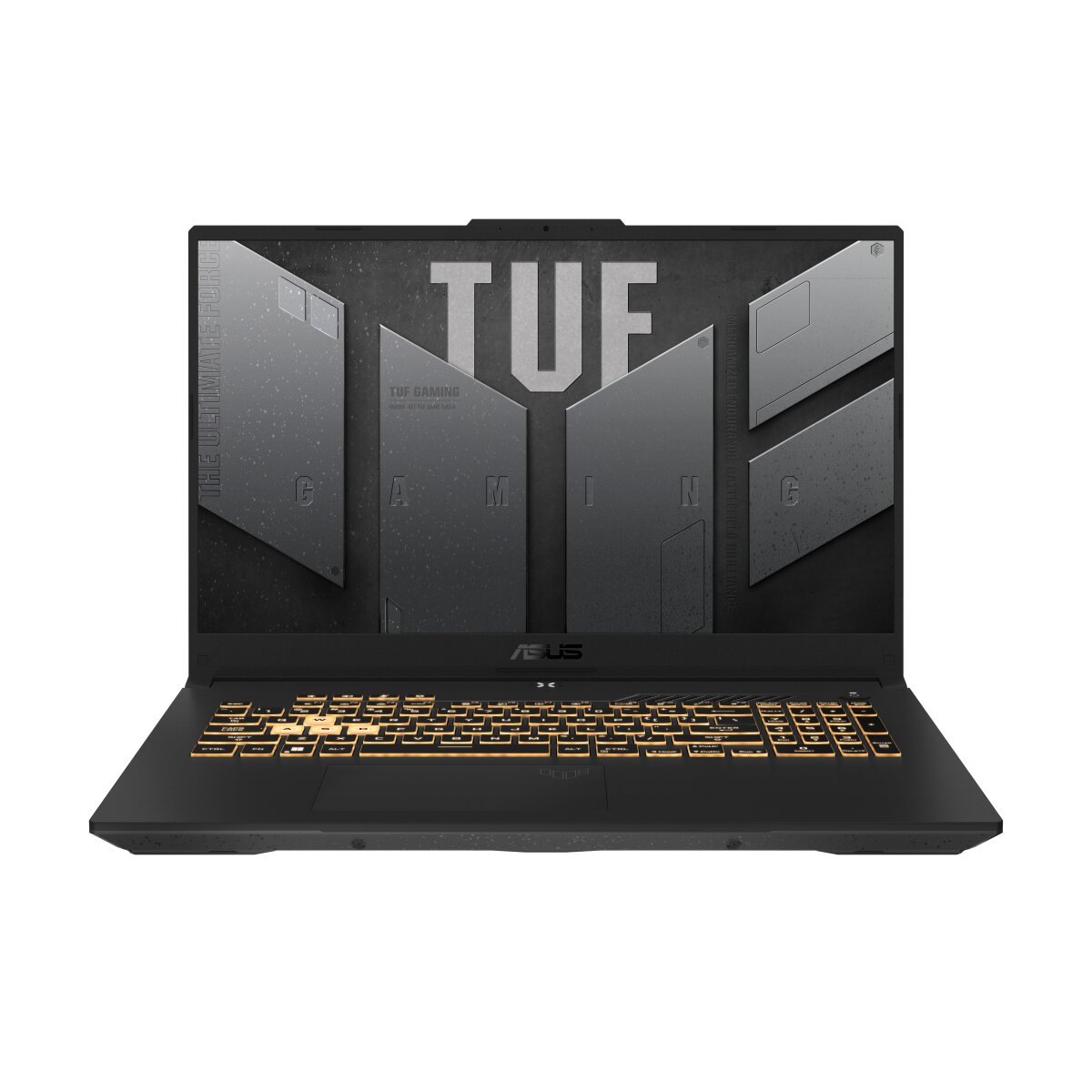
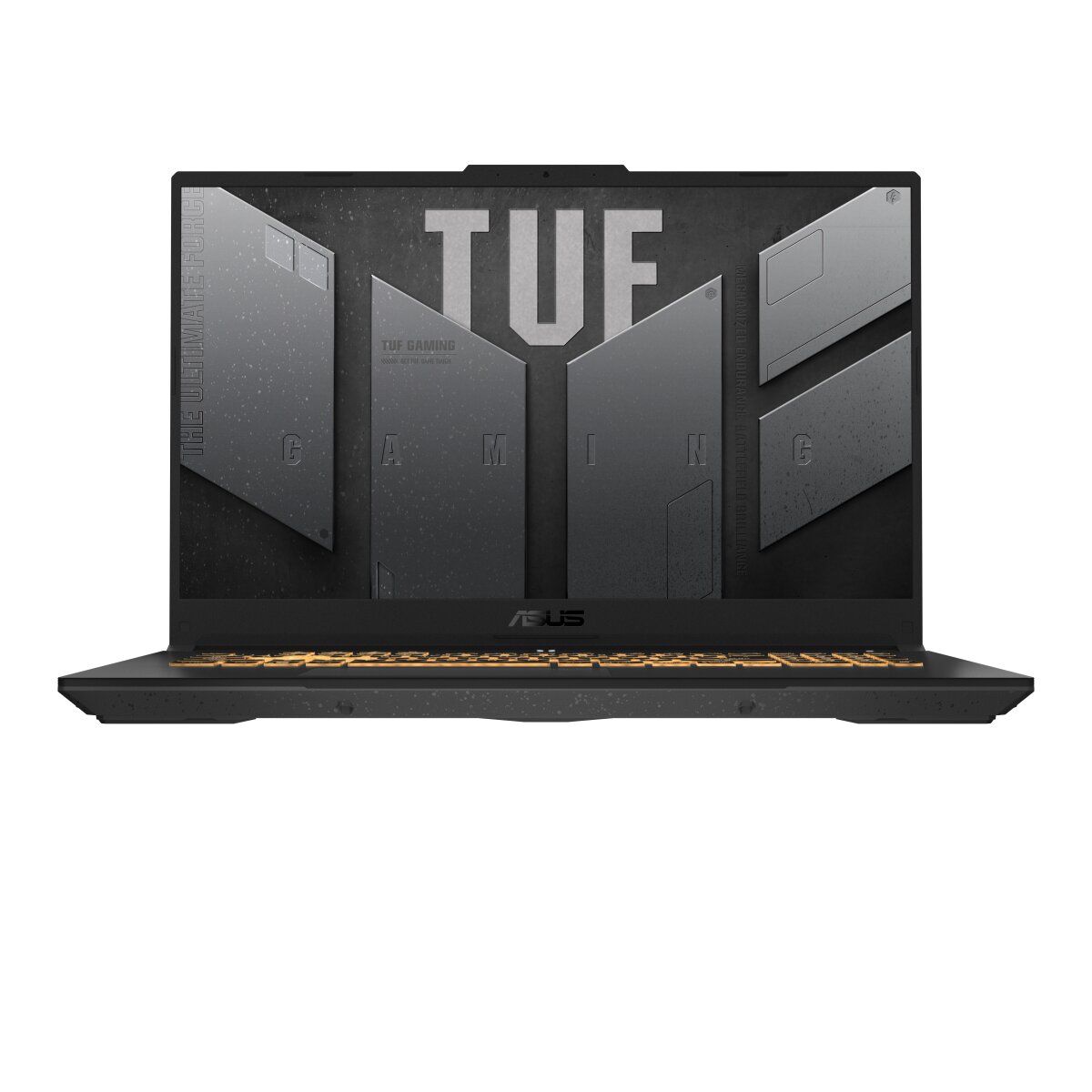
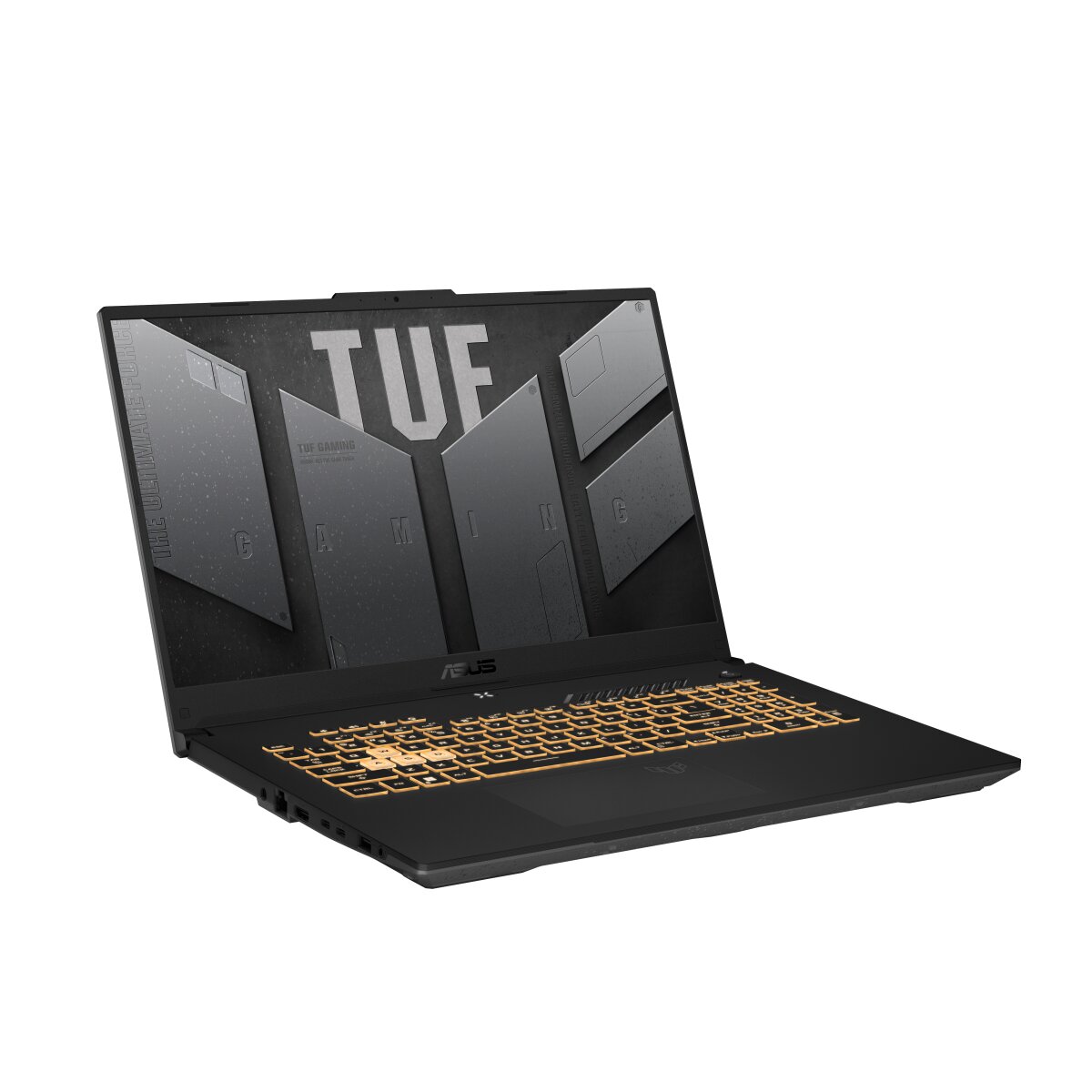
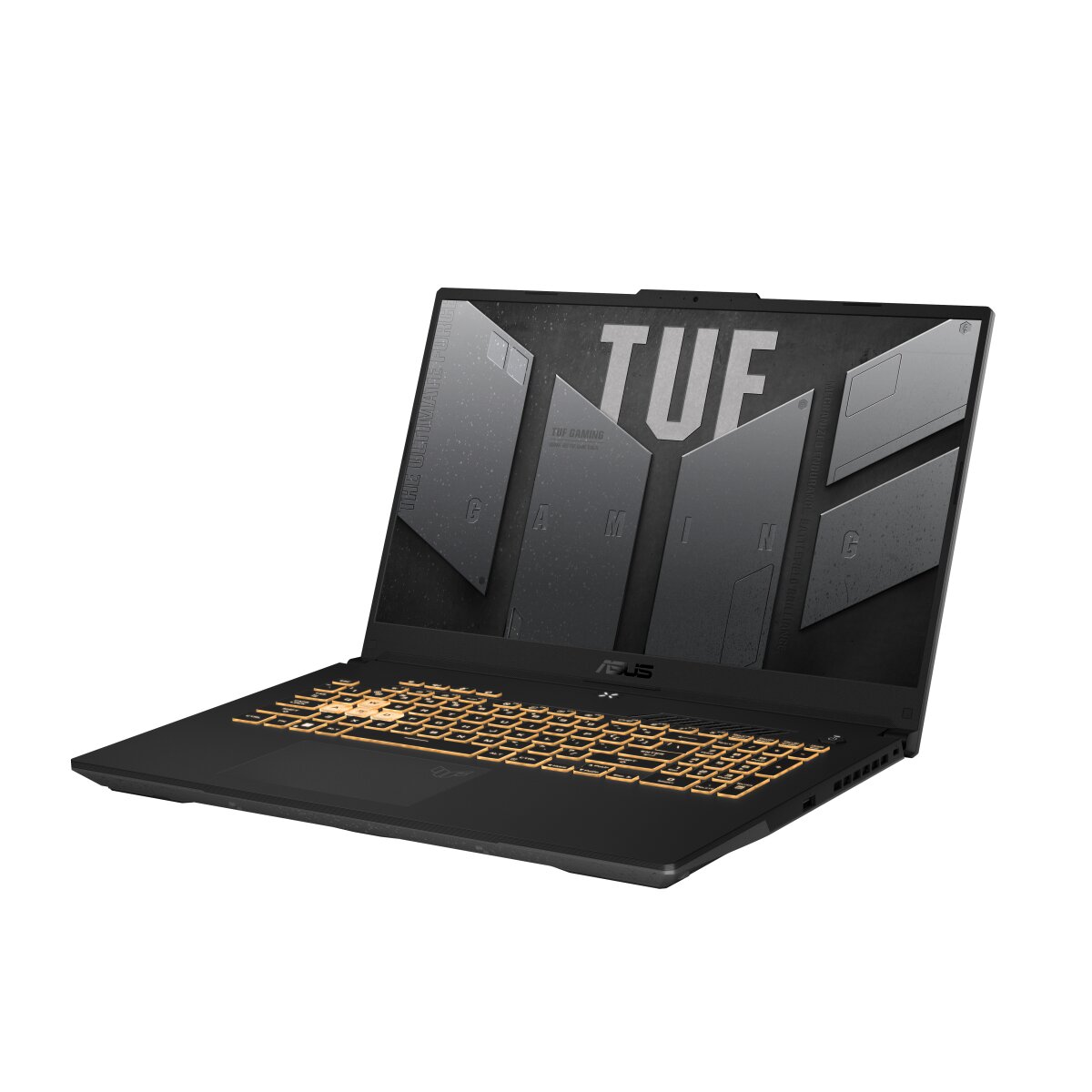
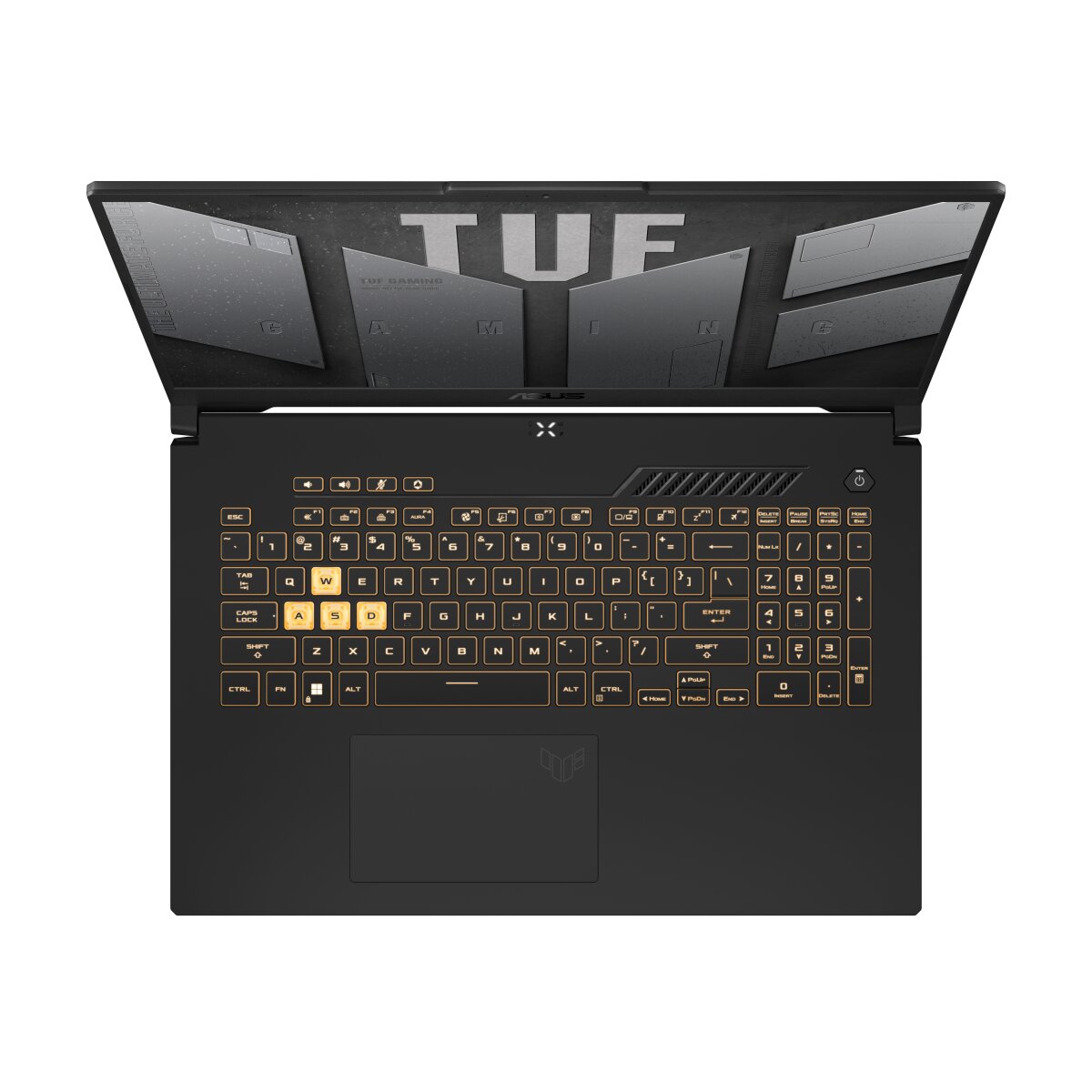
The ASUS TUF Gaming F17 FX707ZC4-HX008 laptop features DDR5-SDRAM memory with two SO-DIMM slots supporting maximum capacity of 32 GB. Memory upgrades compatible with this model operate at 4800 MHz frequency. The device specifications accommodate RAM expansion through standard SO-DIMM form factor modules, enabling users to upgrade from factory-installed capacity to the maximum supported 32 GB configuration.
Memory Upgrade Specifications
| Specification | Value |
|---|---|
| Memory slots | 2x SO-DIMM |
| Form factor | SO-DIMM |
| Memory type | DDR5-SDRAM |
| Frequency | 4800 MHz |
| Maximum RAM | 32 GB |
| Voltage | 1.1V |
| Number of pins | 262-pin |
| Interface | PC5 |
| PC Speed Rating | PC5-4800 (PC5-38400) |
| Bandwidth | 38.4 GB/s |
| Laptop Release date | 18 April 2023 |
Additional Notes
- The ASUS TUF Gaming FX707ZC4-HX008 requires DDR5 SO-DIMM modules, which are physically incompatible with DDR4 slots due to different notch positioning and voltage requirements.
- DDR5 modules operating at 4800 MHz represent JEDEC standard base frequency, indicating potential support for higher-speed modules if the chipset permits XMP/EXPO profiles.
- The 32 GB maximum capacity limitation suggests motherboard-level restrictions rather than CPU constraints, as 12th generation Intel processors typically support higher total memory capacities.
- Dual-channel configuration with 2 SO-DIMM slots requires matched module pairs for optimal bandwidth utilization, particularly critical for integrated graphics performance.
- DDR5 architecture mandates on-die ECC and voltage regulation, eliminating compatibility with DDR4-specific cooling solutions or legacy memory modules.
- Single-rank versus dual-rank DDR5 module selection impacts memory interleaving efficiency, with dual 16 GB modules potentially offering different latency characteristics than single-slot configurations.
- SO-DIMM form factor access typically involves bottom panel removal, which may void warranty seals depending on regional service policies and manufacturer terms.
- The 4800 MHz specification represents effective data rate rather than base clock frequency, as DDR5 operates with double data rate transfers across a 2400 MHz base clock.
- Mixed-capacity configurations remain functional but may disable certain performance features or force all modules to operate at the lowest common denominator speed.
- DDR5 power delivery architecture draws higher peak current during burst operations compared to DDR4, necessitating verification of power supply adequacy for maximum capacity configurations.