ASUS TUF Gaming FX707ZC4-HX018W RAM upgrade specifications

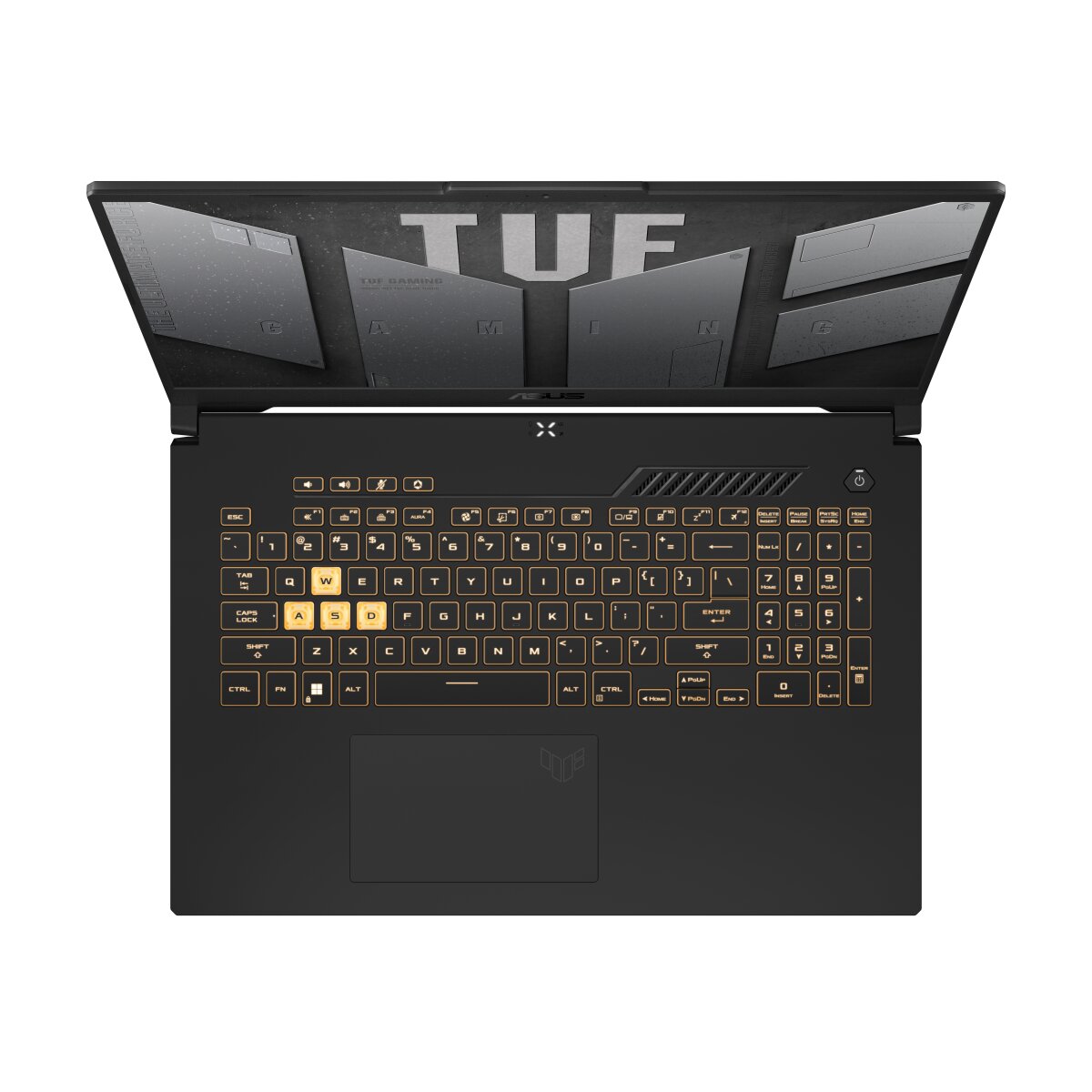


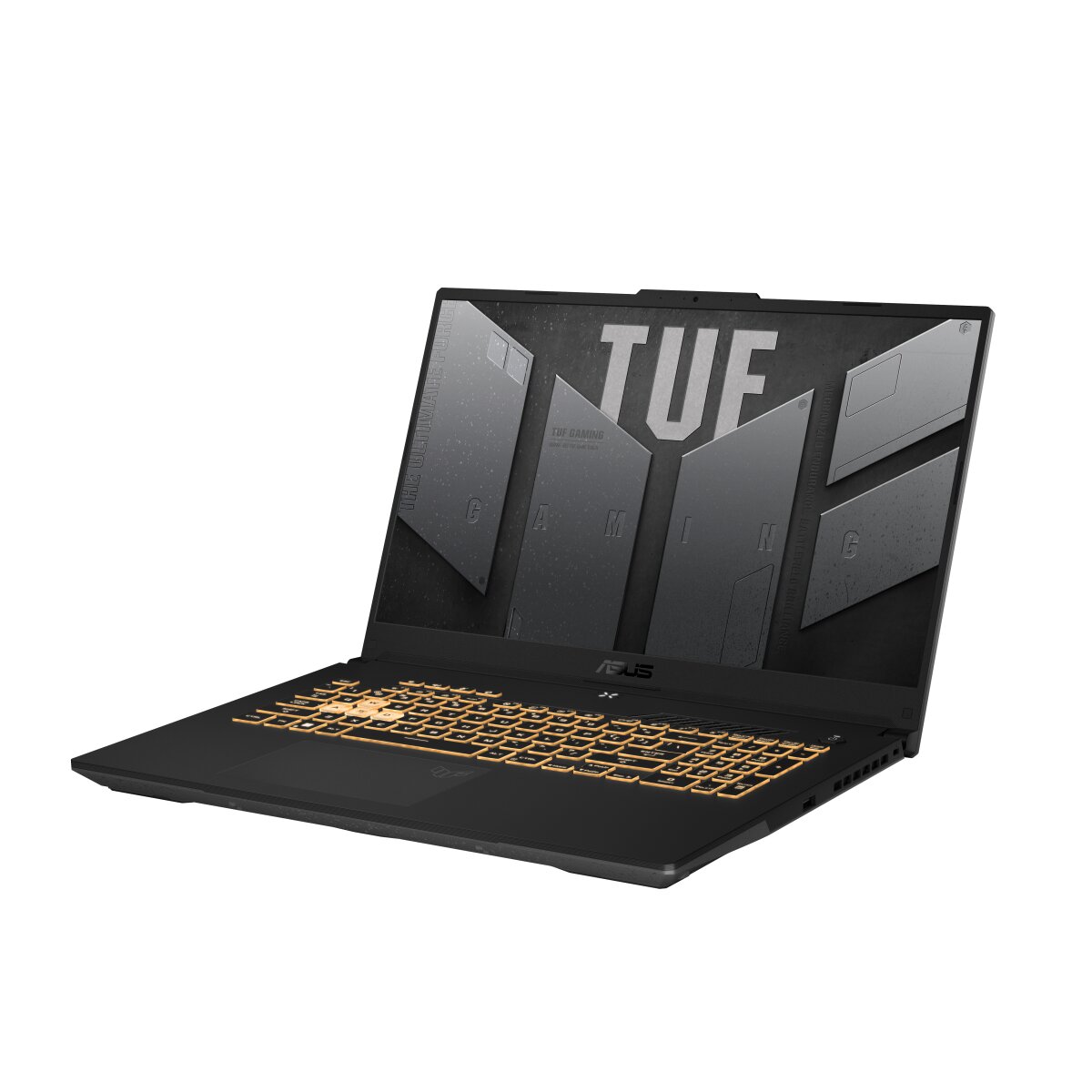
ASUS TUF Gaming F17 FX707ZC4-HX018W compatible memory specifications include DDR4-SDRAM modules in SO-DIMM form factor. Laptop contains two SO-DIMM upgrade slots supporting maximum RAM capacity of 32 GB total. Memory operates at 3200 MHz frequency. Compatible upgrades range from single modules to dual-channel configurations filling all available slots. Maximum upgradeable capacity reaches 32 GB when both slots contain compatible DDR4-SDRAM modules at specified frequency.
Memory Upgrade Specifications
| Specification | Value |
|---|---|
| Memory slots | 2x SO-DIMM |
| Form factor | SO-DIMM |
| Memory type | DDR4-SDRAM |
| Frequency | 3200 MHz |
| Maximum RAM | 32 GB |
| Voltage | 1.2V |
| Number of pins | 260-pin |
| Interface | PC4 |
| PC Speed Rating | PC4-3200 (PC4-25600) |
| Bandwidth | 25.6 GB/s |
Additional Notes
- The ASUS TUF Gaming FX707ZC4-HX018W enforces a 32 GB ceiling due to chipset or CPU memory controller limitations, preventing future expansion beyond this threshold regardless of module availability.
- DDR4-3200 represents the validated speed ceiling, meaning faster modules will downclock to 3200 MHz, negating any cost premium paid for higher-spec kits.
- The 2-slot SO-DIMM configuration requires simultaneous replacement of both modules to reach maximum capacity, eliminating single-slot incremental upgrade paths.
- Dual-channel operation requires matched pairs in both slots to maintain symmetric bandwidth, with mismatched configurations reverting to single-channel mode and halving theoretical throughput.
- SO-DIMM DDR4 modules must meet JEDEC voltage specifications of 1.2V nominal, as gaming laptops typically lack voltage adjustment options available in desktop platforms.
- Non-ECC unbuffered modules are required, as SO-DIMM form factor and consumer chipsets exclude support for error-correcting or registered memory architectures.
- Physical clearance constraints in gaming chassis demand low-profile heat spreaders or bare PCB modules to avoid interference with cooling assemblies or keyboard backlighting layers.
- Memory replacement typically preserves manufacturer warranty if performed through bottom panel access without disassembling sealed sections, though regional warranty terms vary.
- Populated slots at purchase reduce upgrade flexibility, requiring resale or repurposing of original modules when installing higher-capacity replacements.
- CAS latency values interact with 3200 MHz frequency to determine effective latency, with CL22 modules introducing approximately 13.75 nanoseconds versus 12.5 nanoseconds for CL20 variants.