ASUS TUF Gaming FX707VV-RB74 RAM upgrade specifications



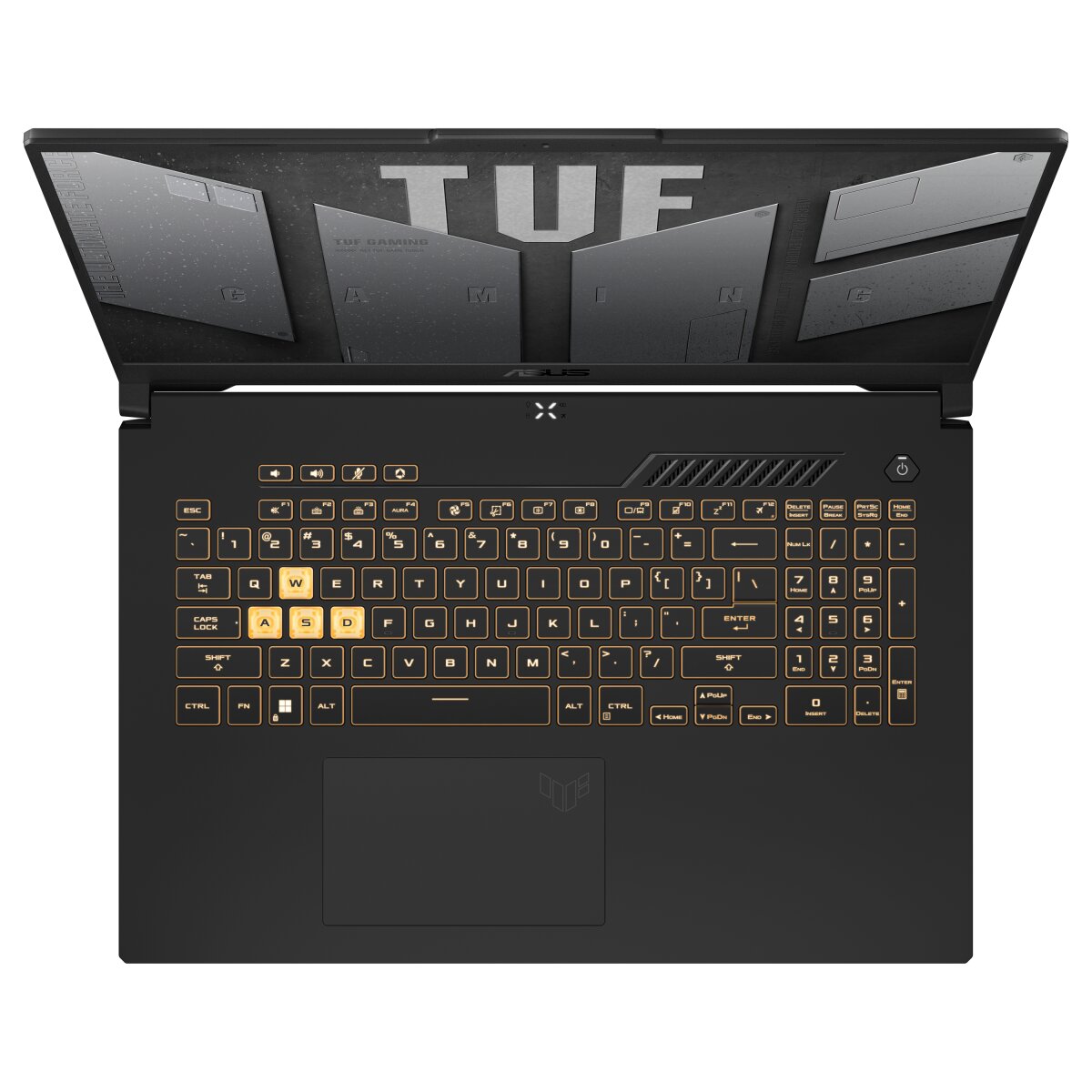
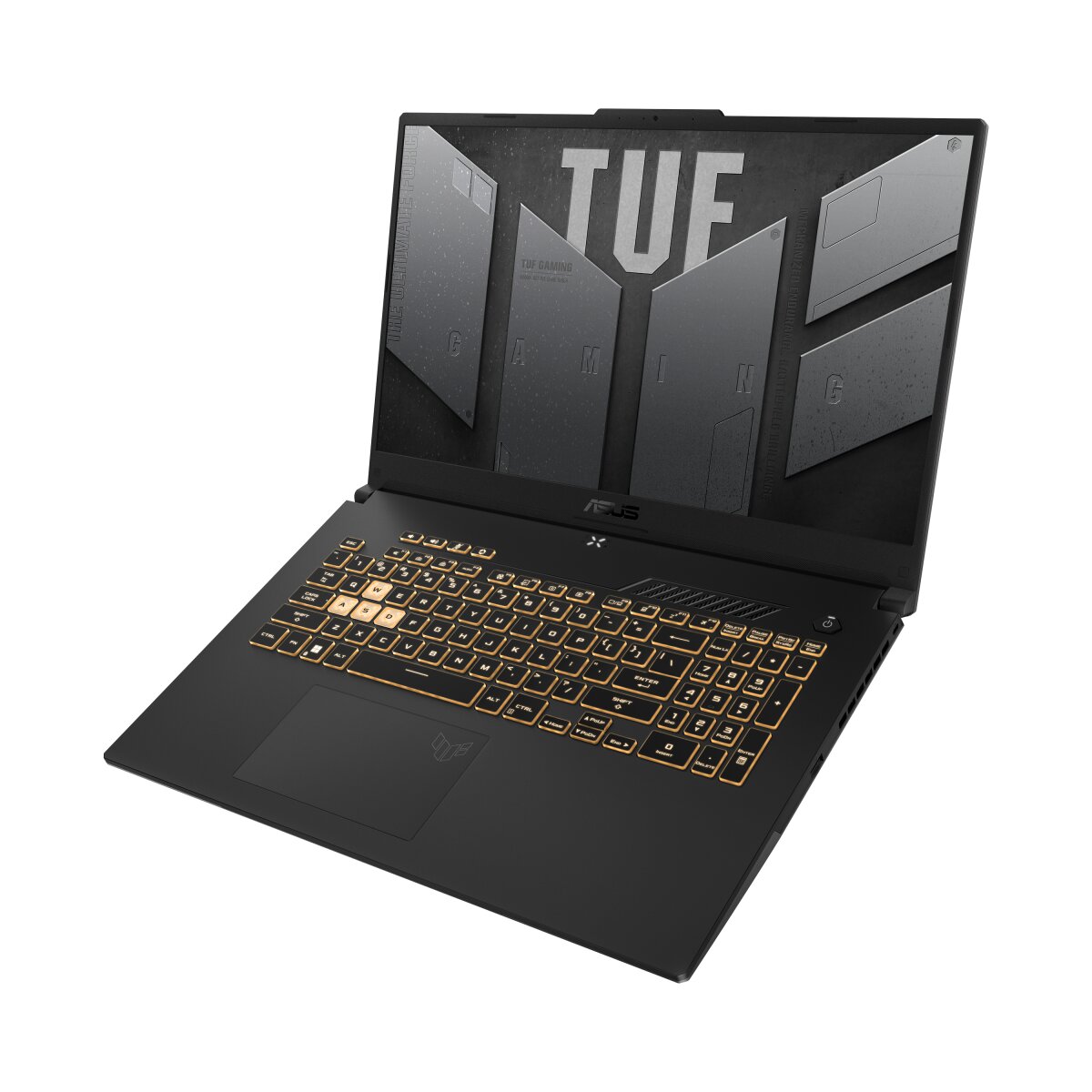
ASUS TUF Gaming FX707VV-RB74 laptop memory upgrade specifications detail DDR5-SDRAM compatibility with two SO-DIMM slots supporting maximum capacity of 64 GB RAM. Upgrade specifications indicate DDR5-SDRAM modules operating at 4800 MHz frequency. Compatible memory modules utilize SO-DIMM form factor for installation in available slots. Maximum RAM capacity specifications establish 64 GB as the upgrade ceiling for this TUF Gaming F17 series model. Memory specifications confirm DDR5-SDRAM technology compatibility for performance enhancement and multitasking capability expansion.
Memory Upgrade Specifications
| Specification | Value |
|---|---|
| Memory slots | 2x SO-DIMM |
| Form factor | SO-DIMM |
| Memory type | DDR5-SDRAM |
| Frequency | 4800 MHz |
| Maximum RAM | 64 GB |
| Voltage | 1.1V |
| Number of pins | 262-pin |
| Interface | PC5 |
| PC Speed Rating | PC5-4800 (PC5-38400) |
| Bandwidth | 38.4 GB/s |
Additional Notes
- The ASUS TUF Gaming FX707VV-RB74 contains 2 SO-DIMM slots with no additional expansion capacity beyond this physical constraint, meaning both slots must be populated to reach maximum memory configuration.
- DDR5-4800 MHz memory operates at JEDEC standard speeds, but actual performance depends on BIOS recognition and CPU memory controller support; third-party DDR5 modules rated above 4800 MHz may downclock to this frequency or require manual BIOS adjustment to maintain warranty coverage.
- SO-DIMM form factor limits module selection to laptop-specific designs; desktop DDR5-DIMM modules are physically incompatible and cannot be installed regardless of capacity matching.
- Upgrading from the factory configuration to 64 GB total requires both slots to contain 32 GB SO-DIMM modules; mixing capacities (e.g., 32 GB plus 16 GB) leaves performance optimization and dual-channel bandwidth potential underutilized.
- DDR5 memory modules generate measurably higher thermal output than previous generation DDR4; extended gaming sessions may cause throttling if the laptop lacks active memory cooling or adequate internal airflow design.
- Single-rank DDR5 SO-DIMM modules typically deliver faster latency response than dual-rank configurations at identical frequency; gaming workloads may benefit from this trade-off despite reduced total capacity per slot.