ASUS TUF Gaming FX707ZR-HX002W RAM upgrade specifications
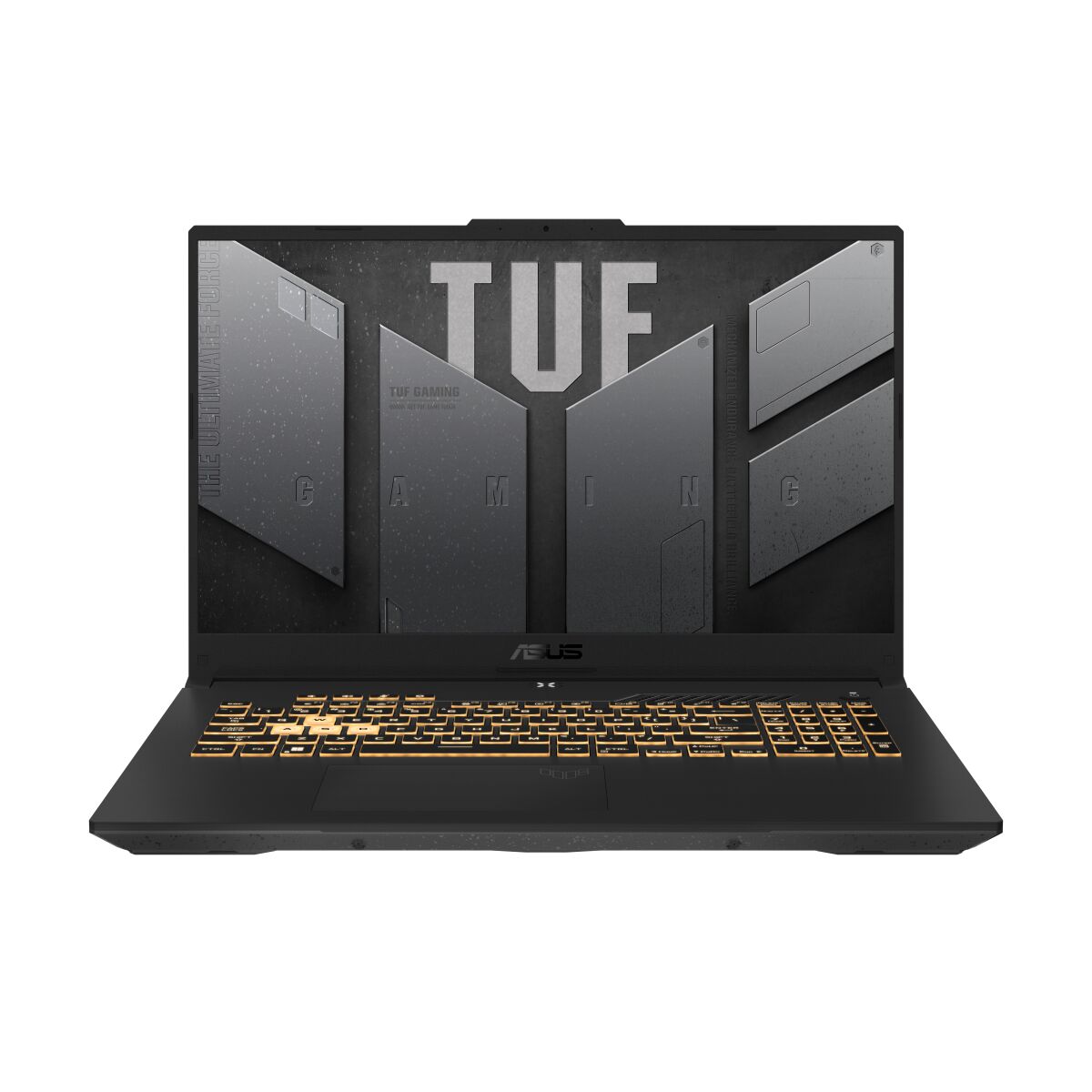
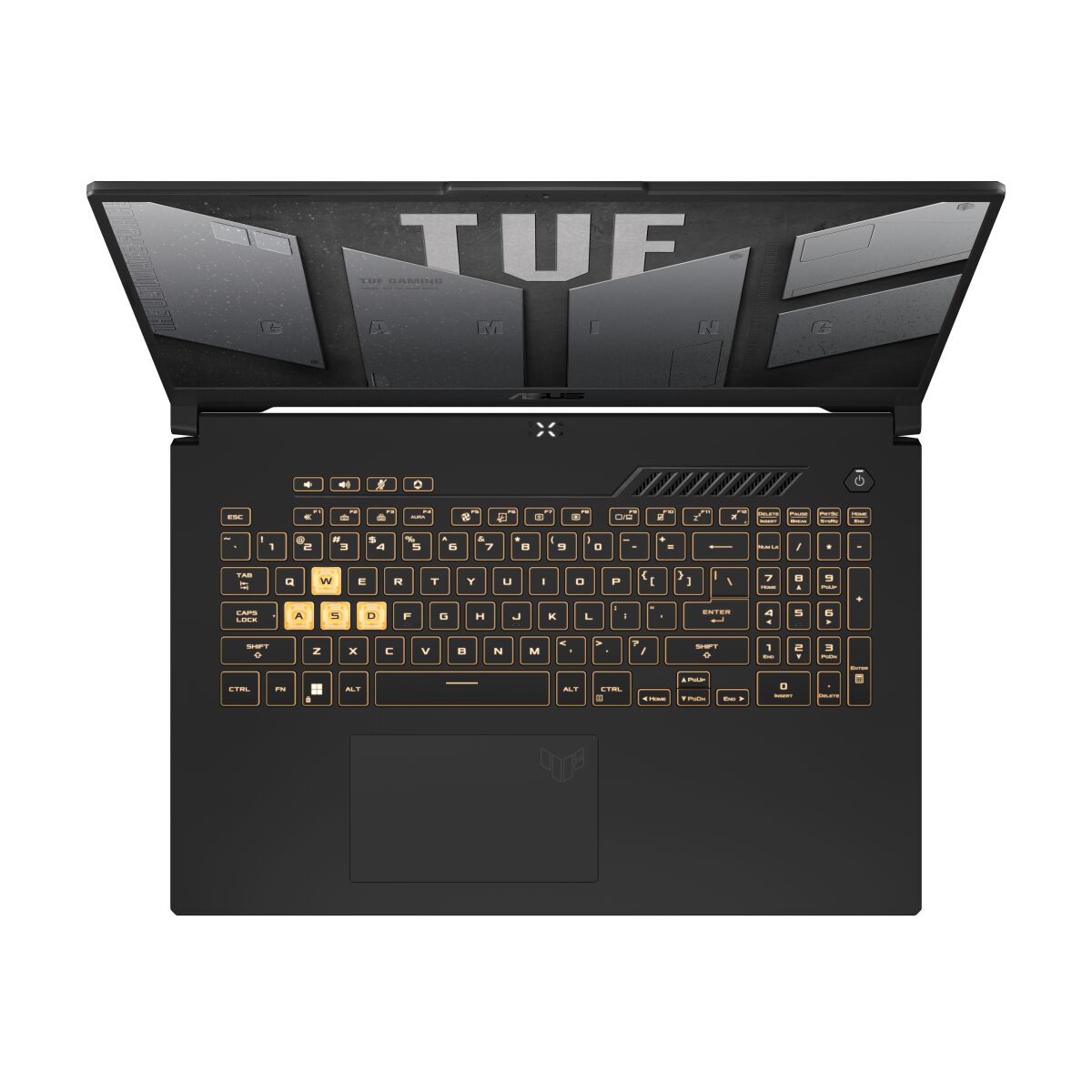
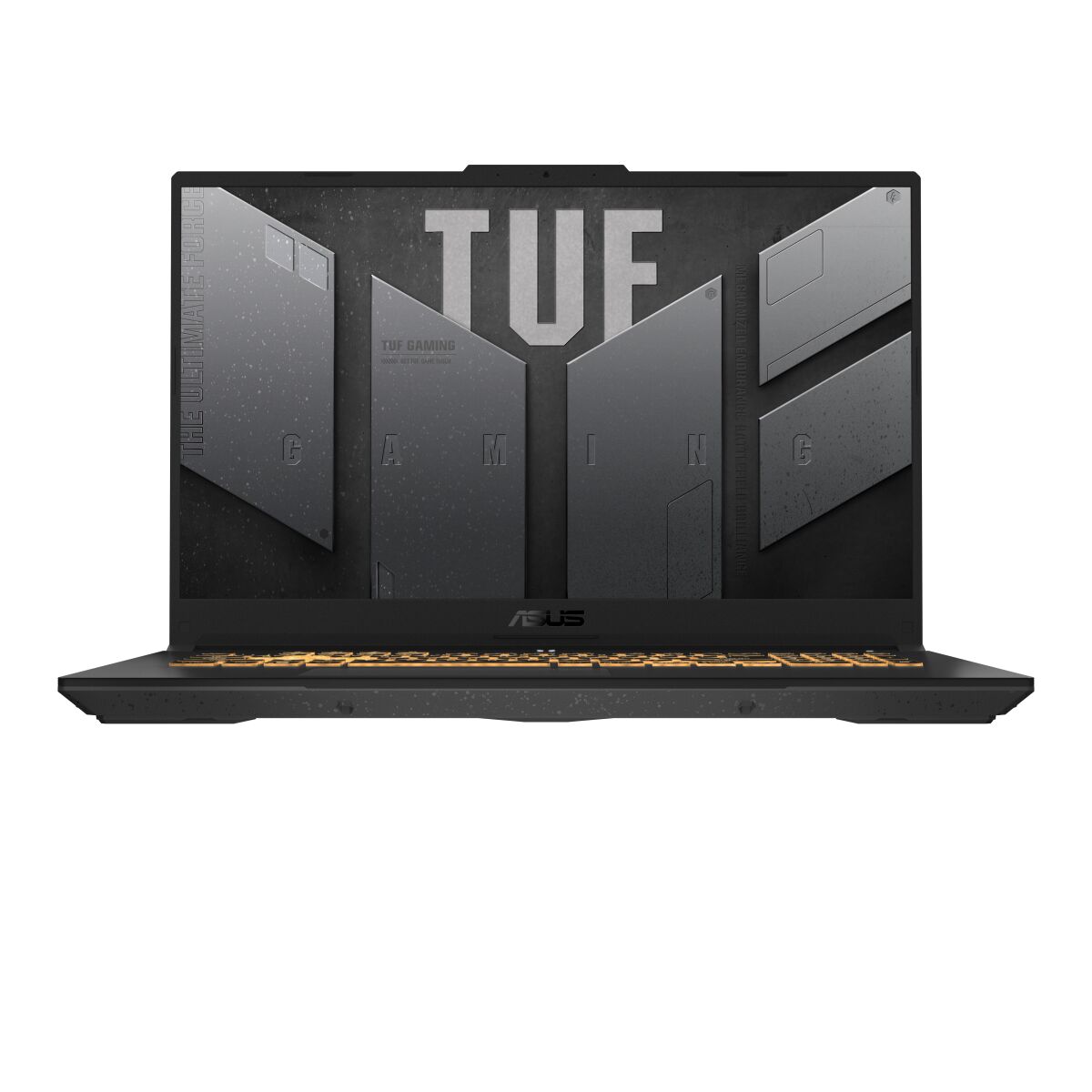

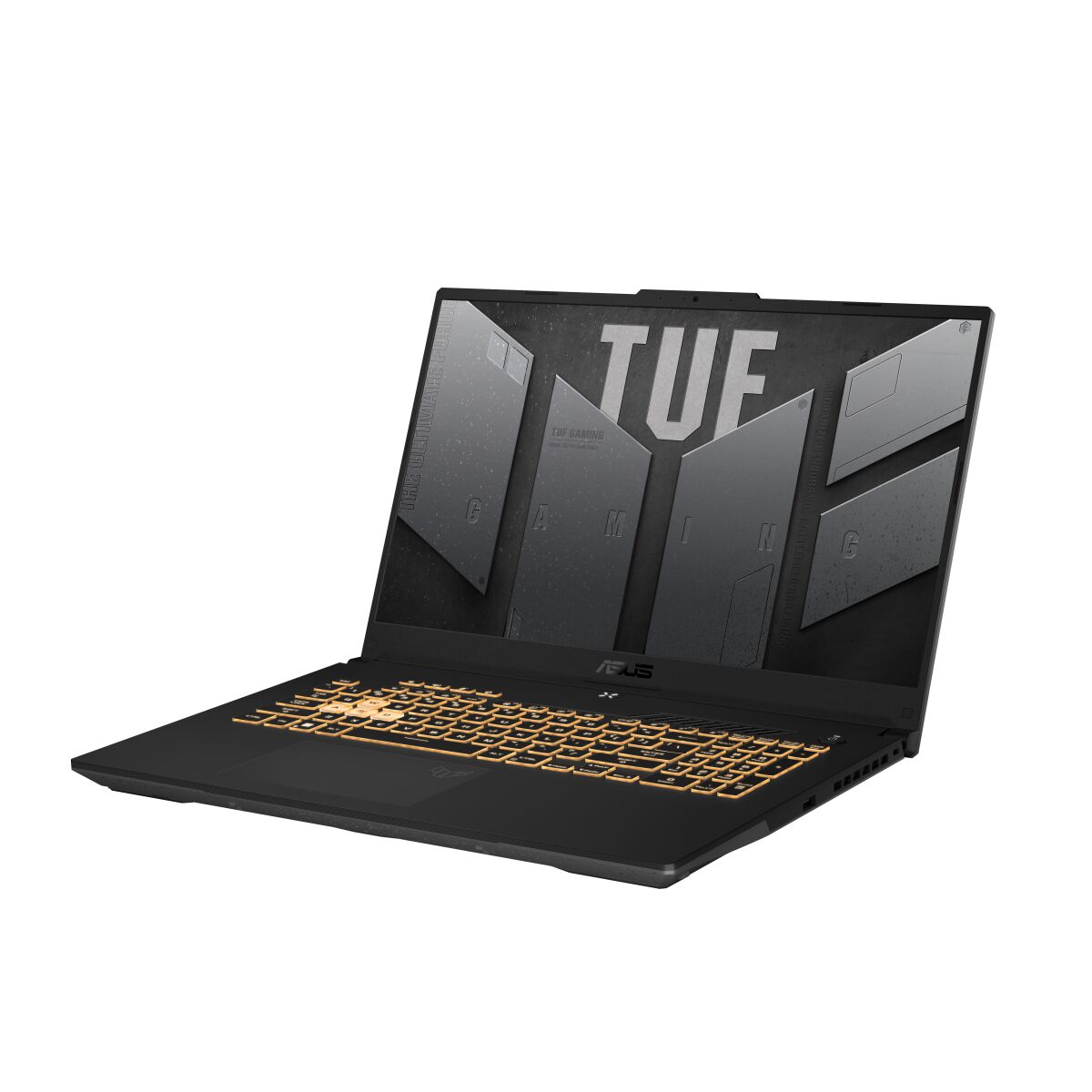
ASUS TUF Gaming FX707ZR-HX002W laptop memory upgrade specifications indicate DDR5-SDRAM compatible RAM with two SO-DIMM slots. The upgrade capacity reaches maximum 32 GB total memory. Memory specifications support DDR5-SDRAM frequency of 4800 MHz. Compatible RAM upgrades utilize SO-DIMM form factor modules. F17 series FX707ZR-HX002W model accommodates DDR5 memory technology for enhanced system performance and multitasking capabilities.
Memory Upgrade Specifications
| Specification | Value |
|---|---|
| Memory slots | 2x SO-DIMM |
| Form factor | SO-DIMM |
| Memory type | DDR5-SDRAM |
| Frequency | 4800 MHz |
| Maximum RAM | 32 GB |
| Voltage | 1.1V |
| Number of pins | 262-pin |
| Interface | PC5 |
| PC Speed Rating | PC5-4800 (PC5-38400) |
| Bandwidth | 38.4 GB/s |
| Laptop Release date | 21 January 2022 |
Additional Notes
- Dual channel architecture requires matching module pairs to utilize the full memory controller bandwidth provided by the DDR5 interface.
- The presence of 2 physical SO-DIMM slots allows for the total removal of factory modules to bypass initial capacity limitations during hardware refreshes.
- The ASUS TUF Gaming FX707ZR-HX002W utilizes a 4800 MHz base frequency which indicates that higher clocked modules will downclock to align with the system firmware constraints.
- Upgrading to the 32 GB threshold provides the necessary overhead for memory intensive tasks like 4K video editing or complex virtual machine hosting which exceed standard gaming requirements.
- DDR5 modules feature on-die ECC and integrated power management circuits which reduce the voltage regulation workload on the motherboard compared to older memory generations.
- Internal component access for memory replacement entails removing the bottom chassis panel which may involve various screw lengths requiring specific torque management to avoid casing stress.
- Latency performance depends on the CAS timing of the selected 4800 MHz modules since the system BIOS typically lacks manual timing adjustment features found in overclocking tiers.
- Thermal dissipation for high density DDR5 sticks relies on the internal airflow design as these modules lack heat spreaders in the standard SO-DIMM form factor.