ASUS TUF Gaming FX707ZM-RS74 RAM upgrade specifications




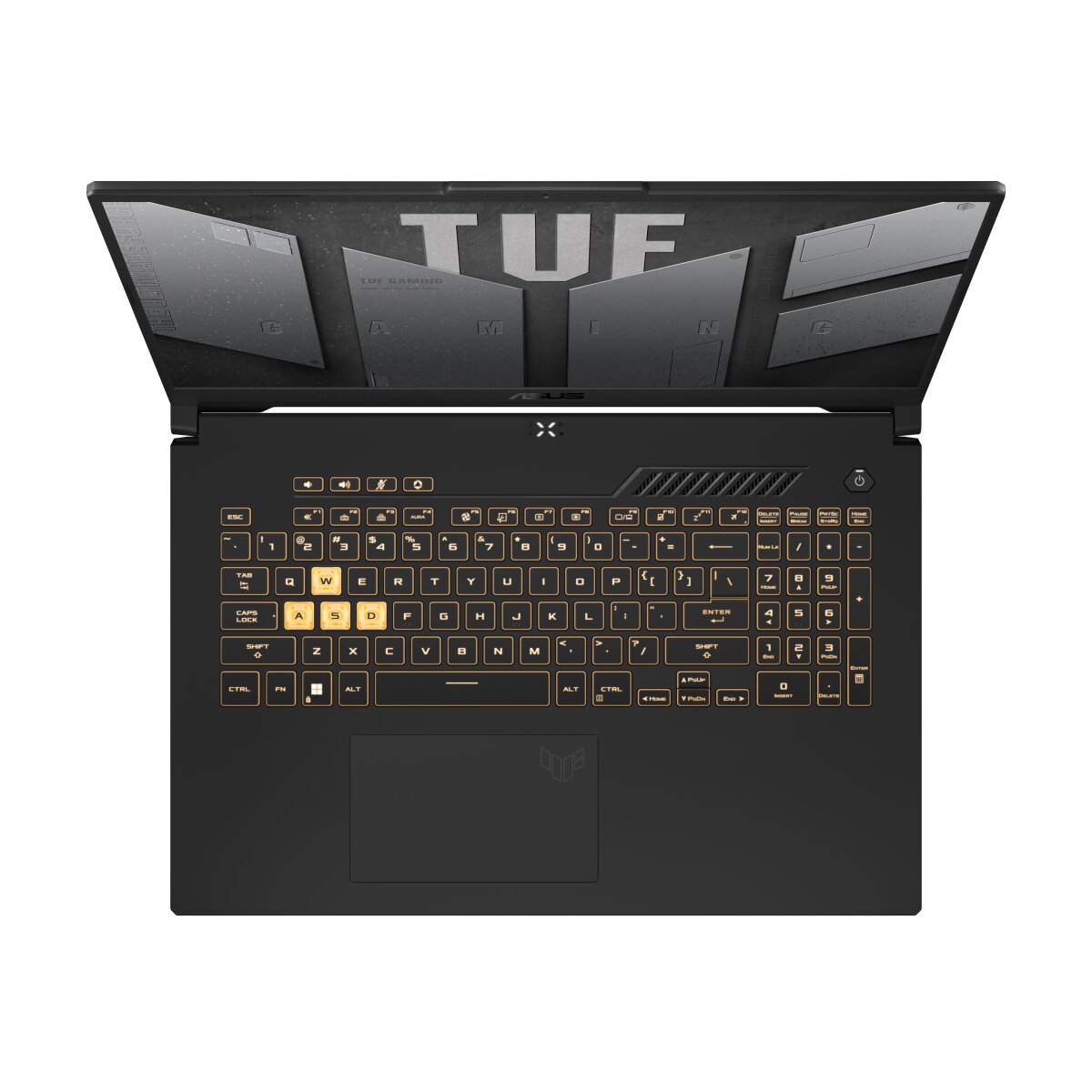
The ASUS TUF Gaming FX707ZM-RS74 laptop features two SO-DIMM memory slots supporting DDR5-SDRAM upgrades. Maximum RAM capacity reaches 24 GB total. The memory specifications include DDR5-4800 MHz frequency support. Compatible upgrades utilize SO-DIMM form factor modules. Existing memory can be replaced or expanded to achieve maximum specifications on this F17 series model.
Memory Upgrade Specifications
| Specification | Value |
|---|---|
| Memory slots | 2x SO-DIMM |
| Form factor | SO-DIMM |
| Memory type | DDR5-SDRAM |
| Frequency | 4800 MHz |
| Maximum RAM | 24 GB |
| Voltage | 1.1V |
| Number of pins | 262-pin |
| Interface | PC5 |
| PC Speed Rating | PC5-4800 (PC5-38400) |
| Bandwidth | 38.4 GB/s |
| Laptop Release date | 20 January 2022 |
Additional Notes
- DDR5 memory architecture operates at 1.1V compared to DDR4's 1.2V, reducing thermal output during extended gaming sessions but requiring firmware that supports DDR5's dual-channel subchannels for optimal bandwidth utilization.
- The 24 GB maximum configuration indicates asymmetric channel operation when pairing an 8 GB module with a 16 GB module, which maintains dual-channel bandwidth while avoiding single-channel performance penalties that occur with identical module requirements in older platforms.
- SO-DIMM slot access on this ASUS TUF Gaming FX707ZM-RS74 requires bottom panel removal, with thermal paste reapplication potentially necessary if the cooling assembly obstructs memory bay access during the upgrade process.
- 4800 MHz represents DDR5's baseline JEDEC specification, meaning modules rated at 5200 MHz or 5600 MHz will downclock to the chipset's supported frequency without causing instability or compatibility failures.
- Mixing different CAS latency timings across the 2 slots forces both modules to operate at the slower timing profile, introducing marginal performance degradation in memory-intensive workloads despite maintained transfer rates.
- DDR5's on-DIMM voltage regulation differs from DDR4's motherboard-based power delivery, making individual module quality control more critical to system stability than in previous generation platforms.
- The SO-DIMM form factor limits heat spreader dimensions compared to desktop memory, making modules without tall heatsinks mandatory to avoid physical interference with the chassis when the panel closes.
- Intel 12th generation platform compatibility with this memory specification requires BIOS version validation before installation, as early firmware revisions exhibited intermittent training failures with certain DDR5 IC configurations.
- Single-rank versus dual-rank module selection impacts bandwidth by approximately 10-15% in integrated graphics workloads, though dedicated GPU configurations minimize this performance differential in gaming scenarios.
- Electrostatic discharge protection becomes more critical with DDR5's lower voltage operation, making grounded wrist strap usage during installation advisable to prevent voltage spike damage to the on-module power management ICs.