ASUS TUF Gaming FX707ZM-HX068W RAM upgrade specifications

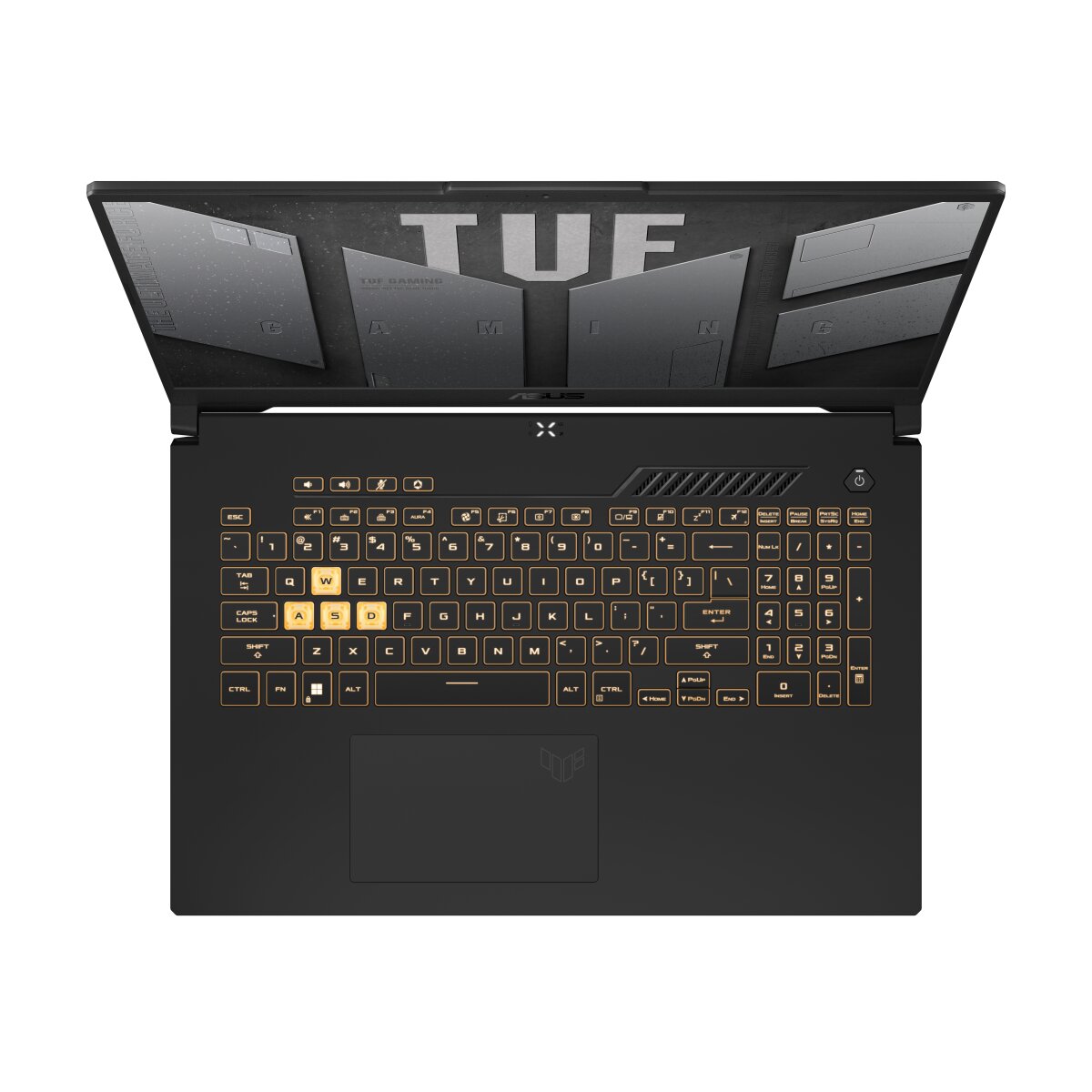



ASUS TUF Gaming F17 series FX707ZM-HX068W laptop features DDR5-SDRAM memory upgrade capabilities. The system contains 2x SO-DIMM slots supporting maximum RAM capacity of 32 GB total. Compatible memory modules operate at 4800 MHz frequency with SO-DIMM form factor. Specifications enable standard memory upgrades for enhanced performance and multitasking capacity on the FX707ZM-HX068W model.
Memory Upgrade Specifications
| Specification | Value |
|---|---|
| Memory slots | 2x SO-DIMM |
| Form factor | SO-DIMM |
| Memory type | DDR5-SDRAM |
| Frequency | 4800 MHz |
| Maximum RAM | 32 GB |
| Voltage | 1.1V |
| Number of pins | 262-pin |
| Interface | PC5 |
| PC Speed Rating | PC5-4800 (PC5-38400) |
| Bandwidth | 38.4 GB/s |
Additional Notes
- The DDR5-SDRAM architecture in the ASUS TUF Gaming FX707ZM-HX068W operates at significantly higher voltages compared to DDR4, requiring modules with onboard voltage regulation to maintain signal integrity at 4800 MHz transfer rates.
- The 32 GB maximum capacity constraint indicates limitations in the memory controller's addressing capability, preventing the use of higher-density 24 GB or 32 GB individual modules that have become available in the DDR5 SO-DIMM market.
- Dual-channel population across both SO-DIMM slots delivers 76.8 GB/s of theoretical memory bandwidth at 4800 MHz, though real-world gaming workloads typically saturate only 40-50% of this capacity due to CPU cache efficiency.
- The SO-DIMM 262-pin form factor restricts compatibility to laptop-specific modules, eliminating the possibility of using standard desktop DDR5 UDIMMs despite identical electrical specifications.
- Memory frequency beyond 4800 MHz through XMP or EXPO profiles may not engage properly due to JEDEC-locked SPD programming in many OEM configurations, even when higher-rated modules are physically installed.
- Asymmetric memory configurations such as 8 GB plus 16 GB will maintain dual-channel operation but introduce rank interleaving penalties that reduce sustained throughput by 5-8% compared to matched pair installations.
- Access to the SO-DIMM slots typically requires bottom panel removal, where warranty seals may be present depending on regional consumer protection regulations and manufacturer policies.
- DDR5's on-die ECC operates independently of the system's error reporting mechanisms, providing silent bit error correction without BIOS visibility or logging capabilities in consumer-grade platforms.
- The 4800 MHz native speed represents JEDEC baseline specification for DDR5, meaning modules rated at this frequency require no timing adjustments or voltage increases beyond standard 1.1V operation.
- Thermal considerations become relevant when upgrading to maximum capacity, as dual 16 GB modules generate approximately 30% more heat than single-module configurations during sustained memory-intensive operations.