ASUS TUF Gaming FX707ZM-HX052W RAM upgrade specifications




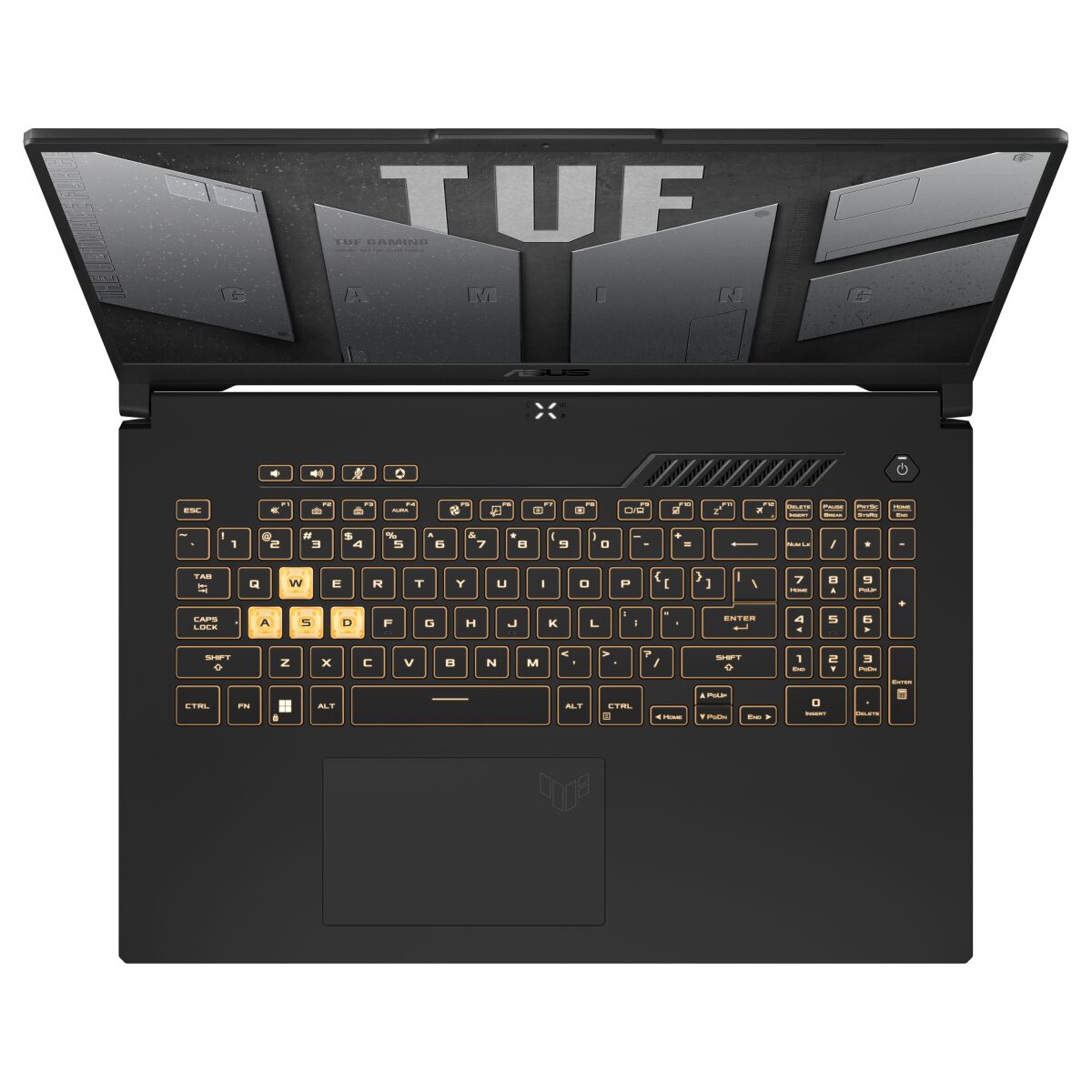
The ASUS TUF Gaming F17 FX707ZM-HX052W supports DDR5-SDRAM memory upgrades through two SO-DIMM slots. The laptop's maximum RAM capacity reaches 32 GB, with compatible modules operating at 4800 MHz frequency. Specifications indicate DDR5 SO-DIMM form factor compatibility for memory expansion on this gaming series model. Upgrade options allow configurations up to the maximum supported capacity for enhanced multitasking and performance capabilities.
Memory Upgrade Specifications
| Specification | Value |
|---|---|
| Memory slots | 2x SO-DIMM |
| Form factor | SO-DIMM |
| Memory type | DDR5-SDRAM |
| Frequency | 4800 MHz |
| Maximum RAM | 32 GB |
| Voltage | 1.1V |
| Number of pins | 262-pin |
| Interface | PC5 |
| PC Speed Rating | PC5-4800 (PC5-38400) |
| Bandwidth | 38.4 GB/s |
| Laptop Release date | 04 March 2022 |
Additional Notes
- The 32 GB maximum capacity indicates a chipset limitation rather than physical slot constraint, as each SO-DIMM slot can theoretically accept 16 GB modules but the system will not recognize higher densities.
- DDR5 modules operate at 1.1V standard voltage, eliminating the compatibility issues associated with DDR4's low-voltage variants, though mixing different CAS latency timings between slots may force both modules to run at the slower specification.
- The 4800 MHz speed represents DDR5's baseline transfer rate, providing 38.4 GB/s theoretical bandwidth per module, though dual-channel configuration effectively doubles this to 76.8 GB/s for the integrated graphics portion of 12th-generation Intel processors.
- SO-DIMM DDR5 modules require physical clearance between the memory compartment cover and installed modules, as some third-party heat spreaders exceed JEDEC standard height specifications and may prevent proper chassis closure.
- Installing non-matching modules across the 2 slots will maintain dual-channel operation but may introduce asymmetric memory configuration, where the system operates in flex mode with reduced interleaving efficiency for capacities beyond the smallest module size.
- The ASUS TUF Gaming FX707ZM-HX052W factory configuration typically ships with one occupied slot, leaving the second available for capacity expansion without requiring removal of existing memory if upgrading to the 32 GB ceiling.
- DDR5's on-die ECC operates independently of system-level error correction, providing background data integrity without BIOS configuration while remaining distinct from server-grade registered modules that are incompatible with consumer SO-DIMM sockets.
- Thermal throttling becomes relevant at sustained 4800 MHz operation under memory-intensive workloads, as DDR5 modules generate approximately 35% more heat than equivalent DDR4 configurations, though laptop chassis cooling systems account for this specification.
- Warranty preservation requires avoiding voltage modifications and ensuring modules meet JEDEC DDR5 specifications, as XMP 3.0 profiles technically constitute overclocking even when motherboard firmware permits activation.
- Module compatibility verification should confirm SPD programming matches 4800 MHz JEDEC standard rather than requiring profile activation, since some manufacturers set base specifications below rated speeds and depend on system profile support.