ASUS TUF Gaming FX707ZM-HX057W RAM upgrade specifications

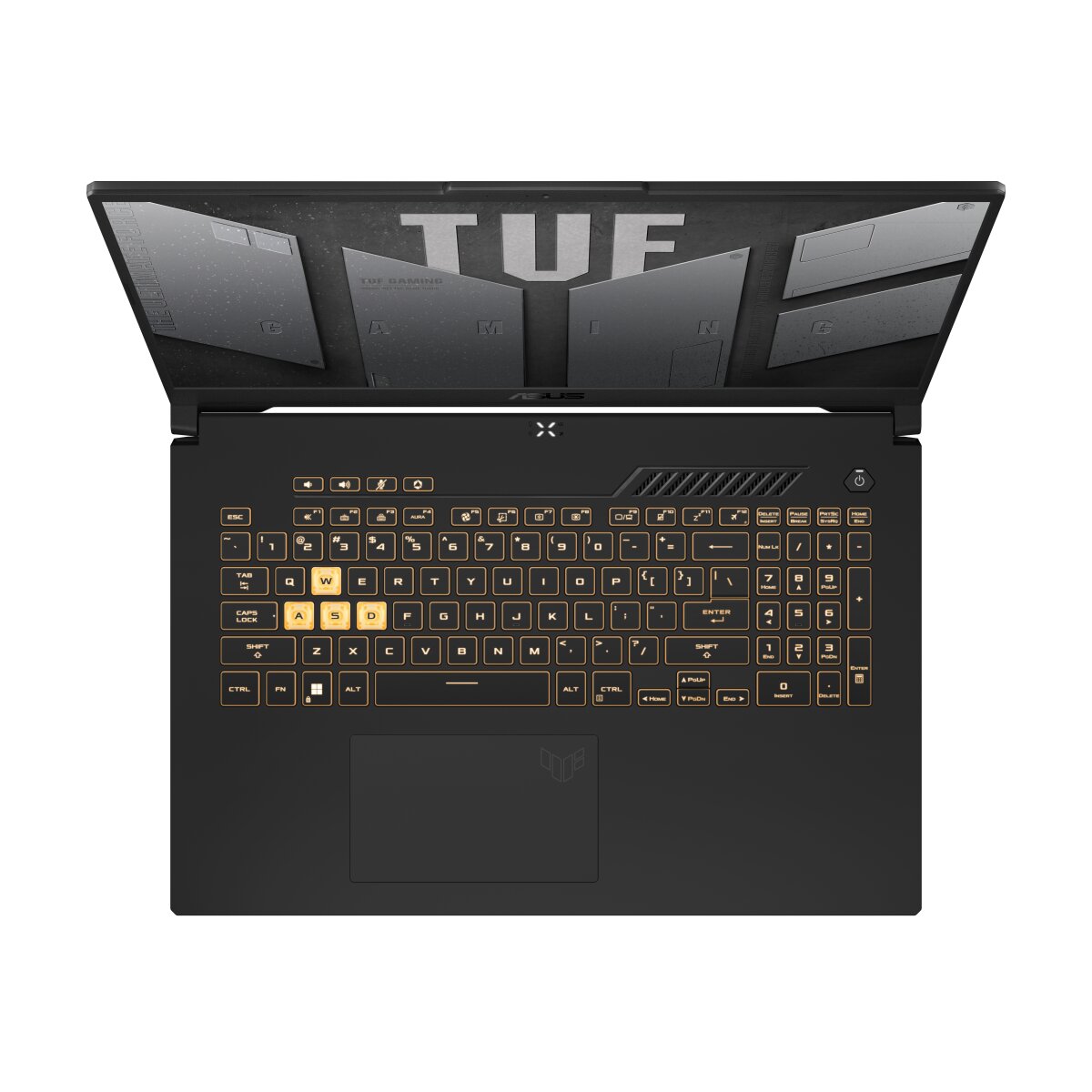



ASUS TUF Gaming F17 FX707ZM-HX057W laptop features DDR5-SDRAM memory upgrade capacity of up to 32 GB maximum RAM. The system contains 2x SO-DIMM memory slots supporting DDR5-SDRAM modules at 4800 MHz frequency. Compatible memory upgrades utilize SO-DIMM form factor specifications for the FX707ZM-HX057W model. Maximum expandable memory specifications allow dual-channel DDR5 configuration across both available SO-DIMM slots in the ASUS TUF Gaming F17 series laptop.
Memory Upgrade Specifications
| Specification | Value |
|---|---|
| Memory slots | 2x SO-DIMM |
| Form factor | SO-DIMM |
| Memory type | DDR5-SDRAM |
| Frequency | 4800 MHz |
| Maximum RAM | 32 GB |
| Voltage | 1.1V |
| Number of pins | 262-pin |
| Interface | PC5 |
| PC Speed Rating | PC5-4800 (PC5-38400) |
| Bandwidth | 38.4 GB/s |
| Laptop Release date | 01 August 2022 |
Additional Notes
- The ASUS TUF Gaming FX707ZM-HX057W requires SO-DIMM modules, eliminating compatibility with standard DIMM memory sticks designed for desktop systems.
- DDR5 modules operate at higher voltages and use a different pin configuration than DDR4, preventing backward compatibility with previous generation memory.
- The 32 GB capacity ceiling limits the system to either 2x16 GB dual-channel configuration or asymmetric combinations like 8 GB plus 24 GB modules if available.
- Populating both slots with matched capacity and timing specifications enables dual-channel operation, doubling theoretical memory bandwidth compared to single-channel configurations.
- DDR5-4800 represents the JEDEC baseline specification, meaning modules rated at higher frequencies may downclock to 4800 MHz unless the motherboard supports XMP 3.0 or EXPO profiles.
- SO-DIMM installations typically require accessing the bottom panel of the chassis, which may involve removing warranty seals depending on regional regulations and manufacturer policies.
- DDR5 architecture incorporates on-die ECC that corrects single-bit errors transparently, distinct from traditional ECC that requires motherboard support.
- The 4800 MHz base frequency provides 38.4 GB/s bandwidth per channel, totaling 76.8 GB/s in dual-channel mode when both slots contain identical modules.
- Mixing modules with different speeds forces the memory controller to operate all sticks at the frequency of the slowest module installed.
- Upgrading from single-rank to dual-rank modules at the same capacity may alter performance characteristics, with dual-rank configurations sometimes offering improved bandwidth at the cost of slightly higher latency.
- DDR5 SO-DIMM modules dissipate more heat than DDR4 equivalents due to higher clock speeds, though the form factor limits aftermarket cooling solutions to the chassis airflow design.
- Installing non-JEDEC standard modules with aggressive timing profiles may require BIOS configuration adjustments to achieve stability beyond the default 4800 MHz specification.