ASUS TUF Gaming FX707ZR-HX003W RAM upgrade specifications
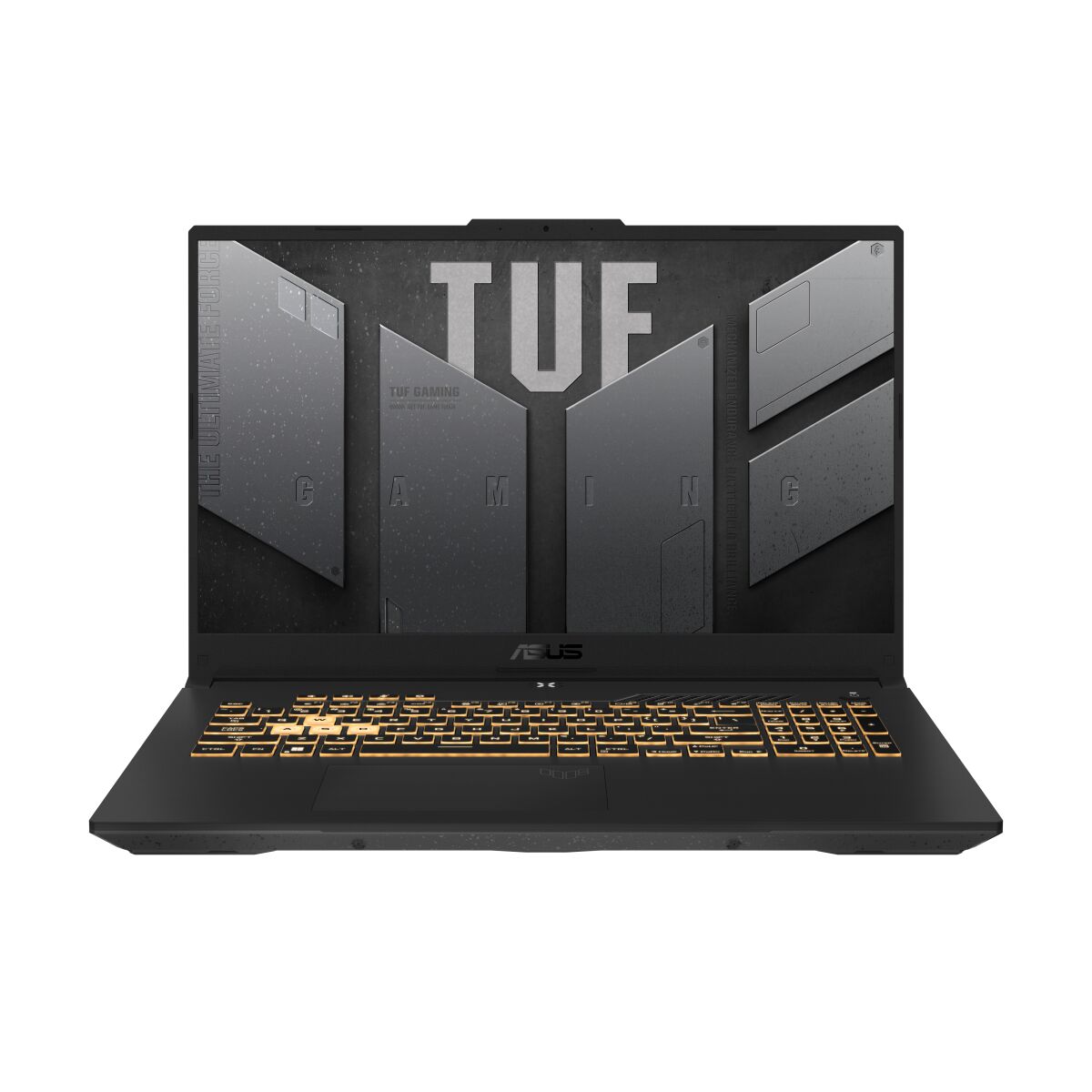
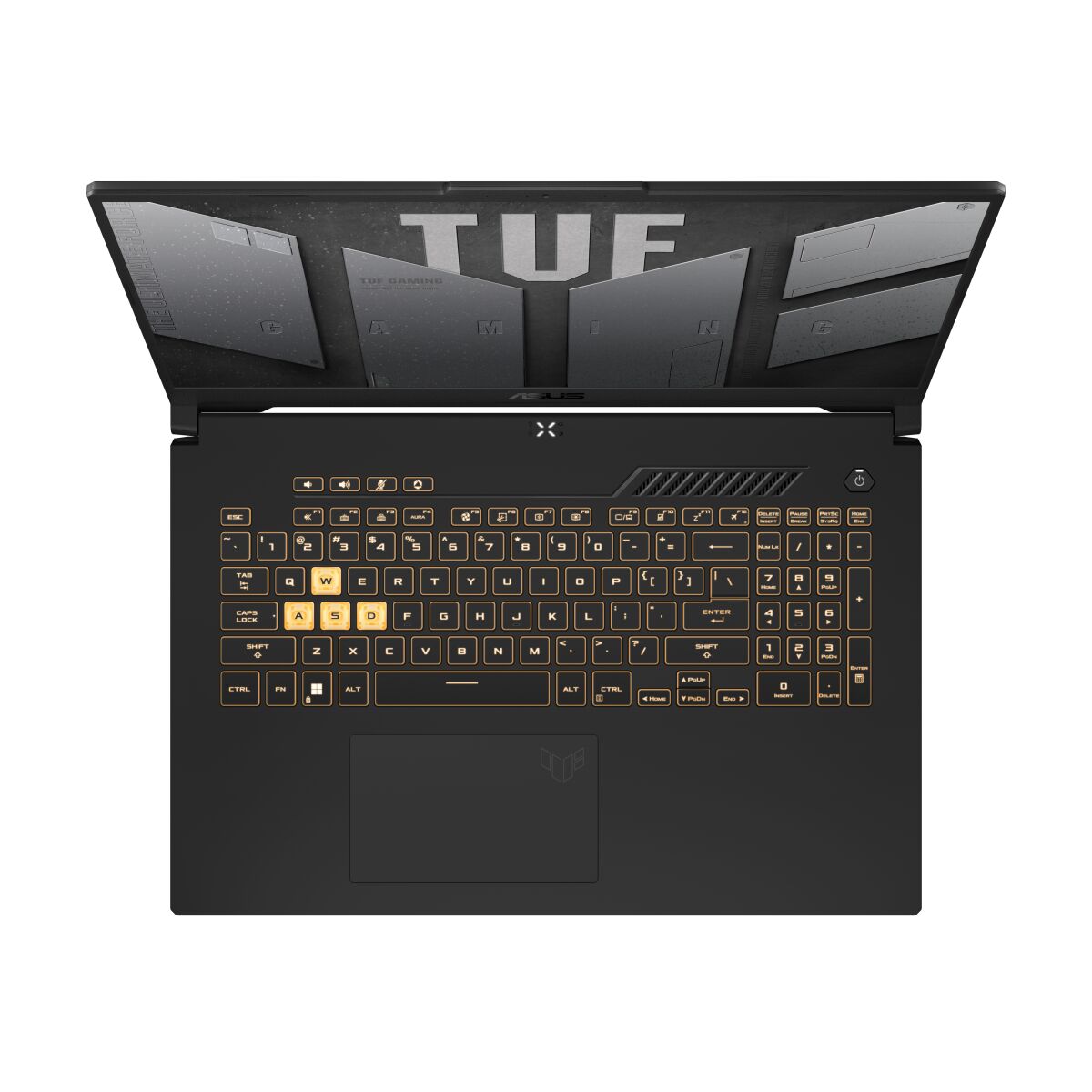
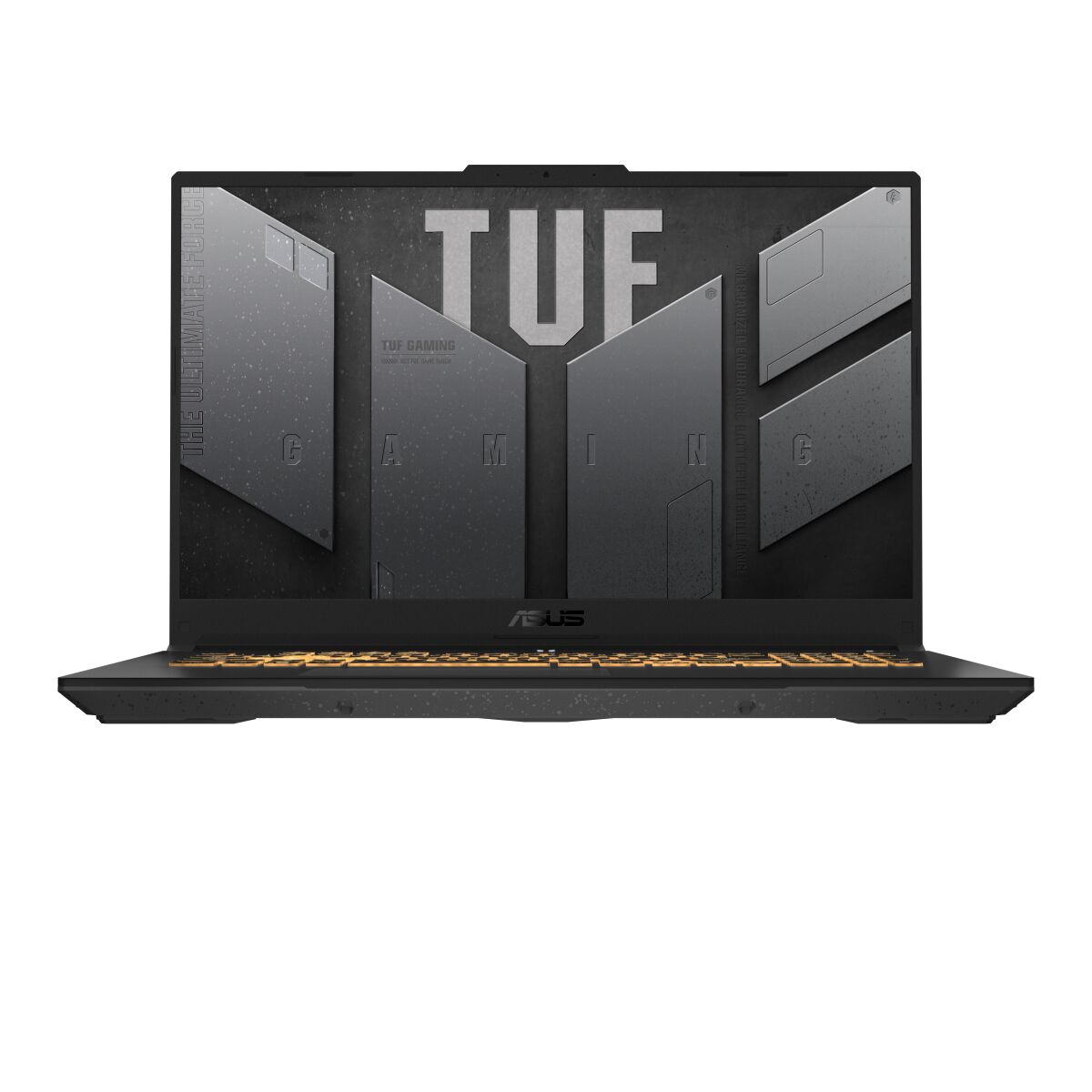
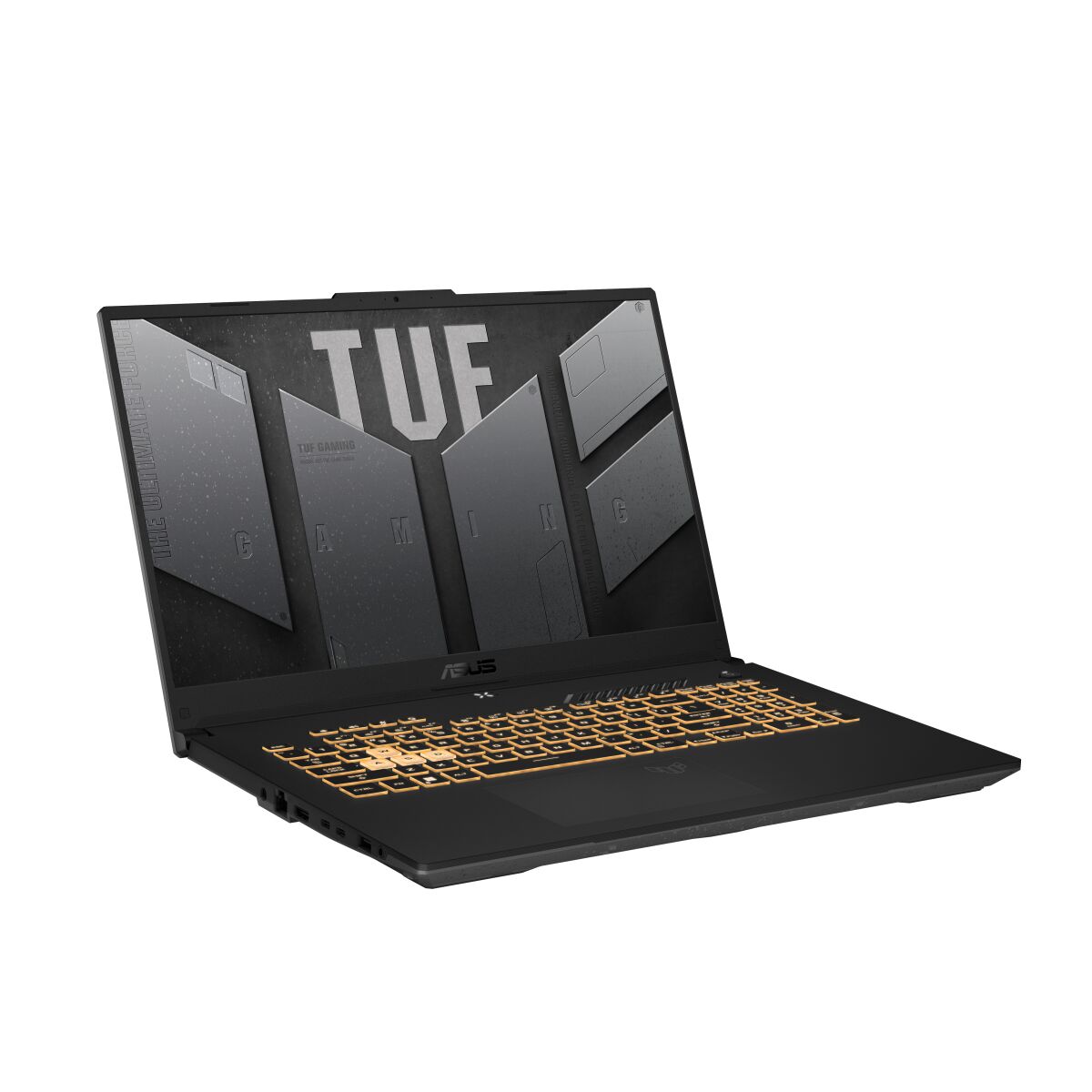
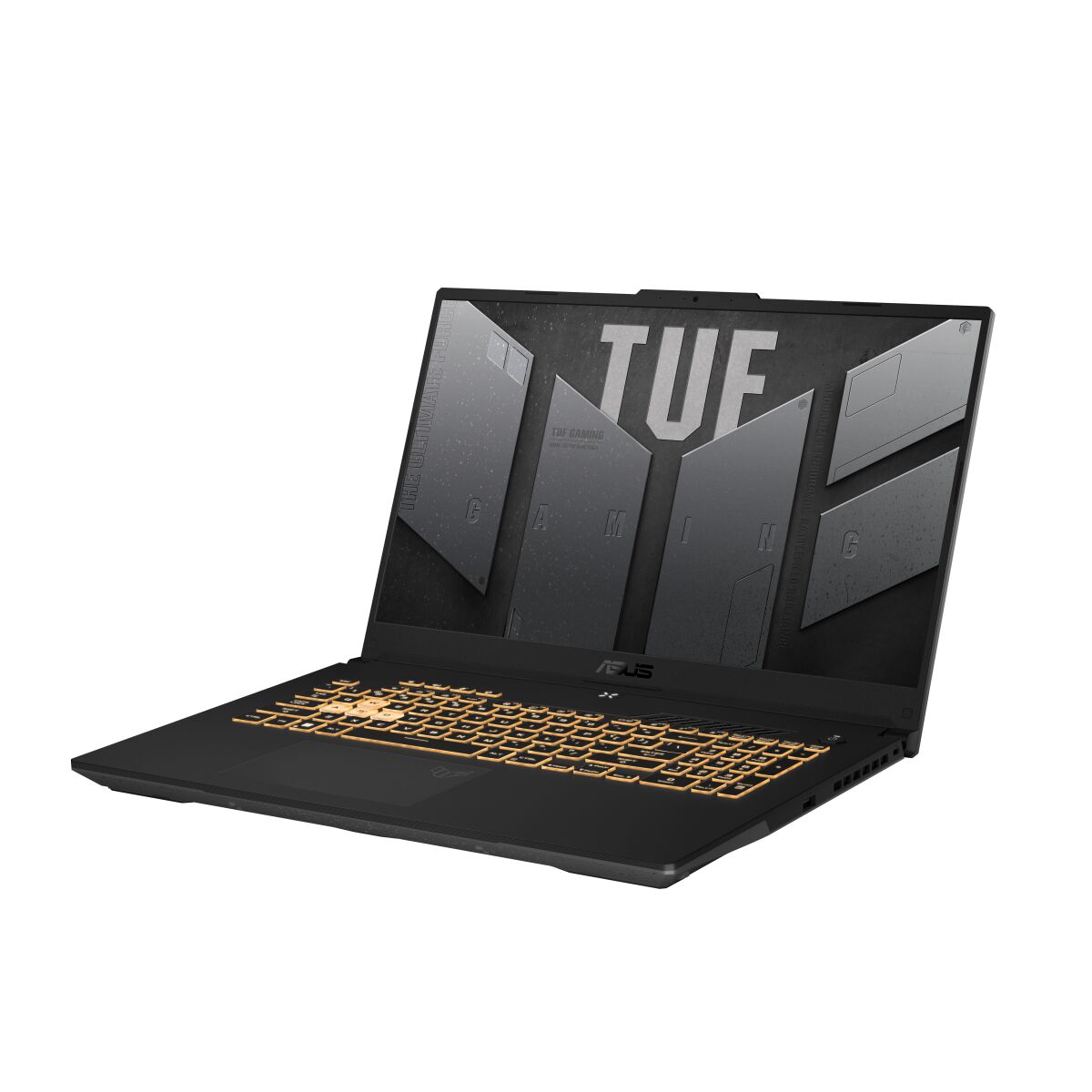
ASUS TUF Gaming FX707ZR-HX003W memory upgrade specifications include two SO-DIMM slots supporting DDR5-SDRAM modules. The laptop accommodates maximum RAM capacity of 32 GB total, with compatible memory operating at 4800 MHz frequency. Each slot accepts SO-DIMM form factor memory modules, enabling users to expand system memory for enhanced multitasking and performance capabilities. Standard configurations feature DDR5 technology across both memory slots, with upgrades available up to the 32 GB maximum specification limit.
Memory Upgrade Specifications
| Specification | Value |
|---|---|
| Memory slots | 2x SO-DIMM |
| Form factor | SO-DIMM |
| Memory type | DDR5-SDRAM |
| Frequency | 4800 MHz |
| Maximum RAM | 32 GB |
| Voltage | 1.1V |
| Number of pins | 262-pin |
| Interface | PC5 |
| PC Speed Rating | PC5-4800 (PC5-38400) |
| Bandwidth | 38.4 GB/s |
| Laptop Release date | 10 January 2022 |
Additional Notes
- The ASUS TUF Gaming FX707ZR-HX003W contains 2 memory slots operating in dual-channel configuration, which means single-module upgrades will forfeit 50% bandwidth potential and degrade gaming performance relative to matched-pair installations.
- DDR5-4800 MHz modules represent the current generation standard, but third-party DDR5-5600 or DDR5-6000 kits will function at reduced 4800 MHz speeds due to JEDEC profile limitations in this platform, eliminating any performance gain from premium pricing.
- The 32 GB maximum capacity ceiling constrains upgrade trajectories; a user installing 2x16 GB modules reaches the platform's hard limit, leaving no headroom for future memory-dependent workloads or OS demands beyond the current 5-year product lifecycle.
- SO-DIMM form factor restricts module sourcing to laptop-specific inventory, narrowing compatible options compared to desktop DDR5 markets and typically reducing competitive pricing leverage during component selection.
- Thermal management becomes relevant with DDR5 modules, as the compact SO-DIMM layout in gaming systems generates higher junction temperatures than desktop equivalents; passive heatspreaders on replacement modules are recommended rather than optional.
- BIOS firmware revisions may impose undocumented XMP/EXPO profile compatibility restrictions with third-party DDR5 kits; reverting to 4800 MHz JEDEC specifications eliminates compatibility risk without performance loss on this platform.