ASUS TUF Gaming TUF706HC-HX090T RAM upgrade specifications
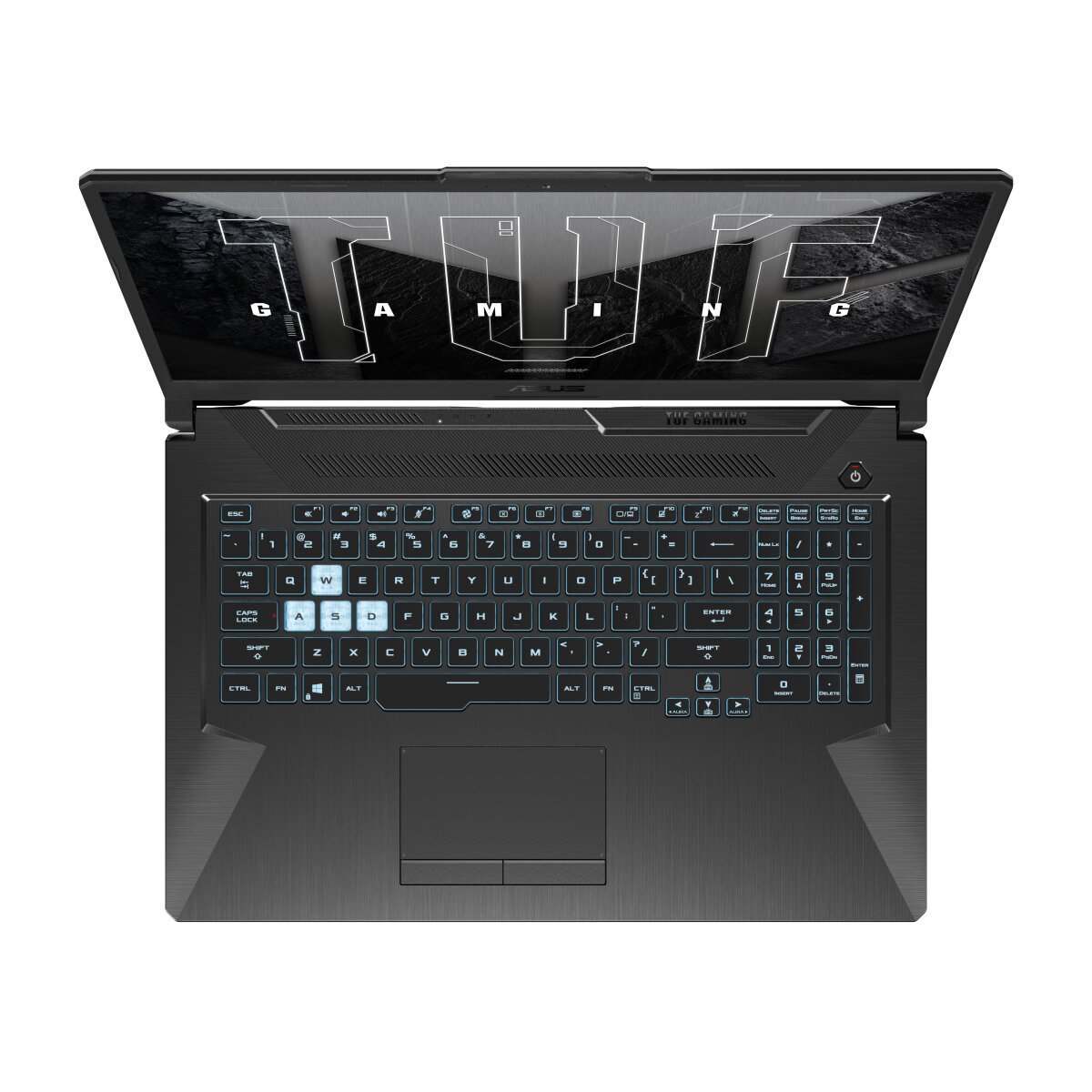

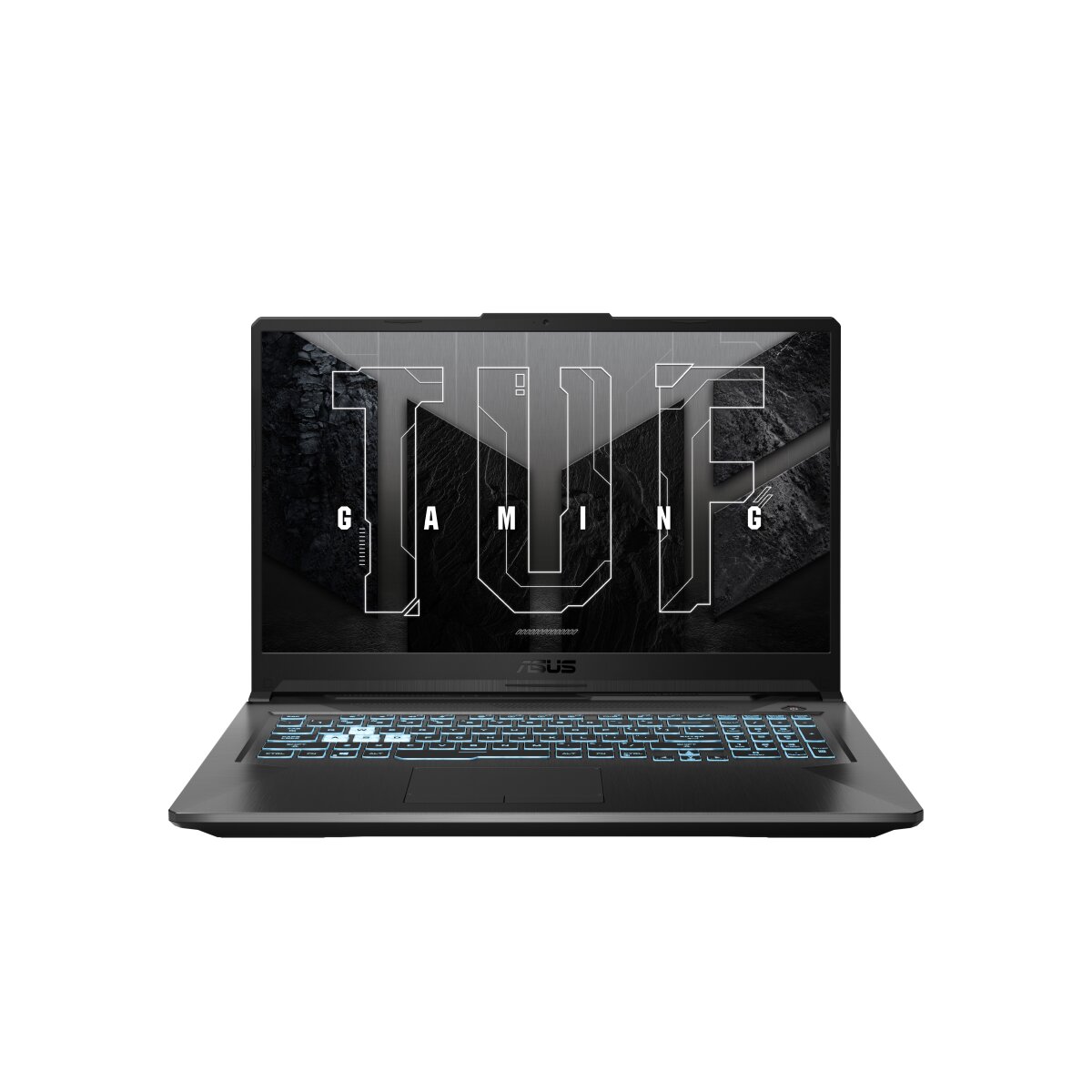


The ASUS TUF Gaming F17 series model TUF706HC-HX090T features DDR4-SDRAM memory upgrades across 2x SO-DIMM slots. The laptop supports maximum RAM capacity of 32 GB total. Memory specifications include DDR4 frequency of 3200 MHz with SO-DIMM form factor compatibility. Upgrade options are compatible with this TUF706HC-HX090T configuration for expanding system memory performance.
Memory Upgrade Specifications
| Specification | Value |
|---|---|
| Memory slots | 2x SO-DIMM |
| Form factor | SO-DIMM |
| Memory type | DDR4-SDRAM |
| Frequency | 3200 MHz |
| Maximum RAM | 32 GB |
| Voltage | 1.2V |
| Number of pins | 260-pin |
| Interface | PC4 |
| PC Speed Rating | PC4-3200 (PC4-25600) |
| Bandwidth | 25.6 GB/s |
| Laptop Release date | 13 June 2021 |
Additional Notes
- The ASUS TUF Gaming TUF706HC-HX090T contains 2 SO-DIMM slots with a 32 GB capacity ceiling, meaning maximum single-module capacity is 16 GB per slot.
- DDR4-3200 MHz specification indicates that third-party modules must match this exact frequency or operate at reduced speeds due to memory controller limitations; modules rated for DDR4-3600 or higher will downclock automatically to 3200 MHz.
- SO-DIMM form factor restricts upgrades exclusively to laptop-class memory modules; desktop DDR4 UDIMM sticks are physically incompatible and cannot be installed regardless of capacity or speed.
- Populating both slots with 16 GB DDR4-3200 SO-DIMM modules requires matching pairs to avoid potential stability issues; mixing dissimilar module specifications (different manufacturers, PCB revisions, or IC binning) may trigger memory training failures or sporadic crashes.
- The 32 GB total capacity ceiling means this configuration cannot support future memory-intensive workloads beyond mid-cycle laptop application standards; users approaching 28-30 GB utilization cannot expand further through additional modules.
- Warranty coverage for memory upgrades typically remains intact only when using modules meeting the original DDR4-3200 specification; non-compliant frequencies or timings may void memory-related warranty claims despite physical installation success.
- The dual-slot architecture creates a bandwidth bottleneck where a single occupied slot operates in single-channel mode, reducing effective memory throughput by approximately 50 percent compared to dual-channel operation; applications requiring high memory bandwidth experience measurable performance reduction until both slots are populated.