ASUS TUF Gaming TUF706HC-HX010 RAM upgrade specifications
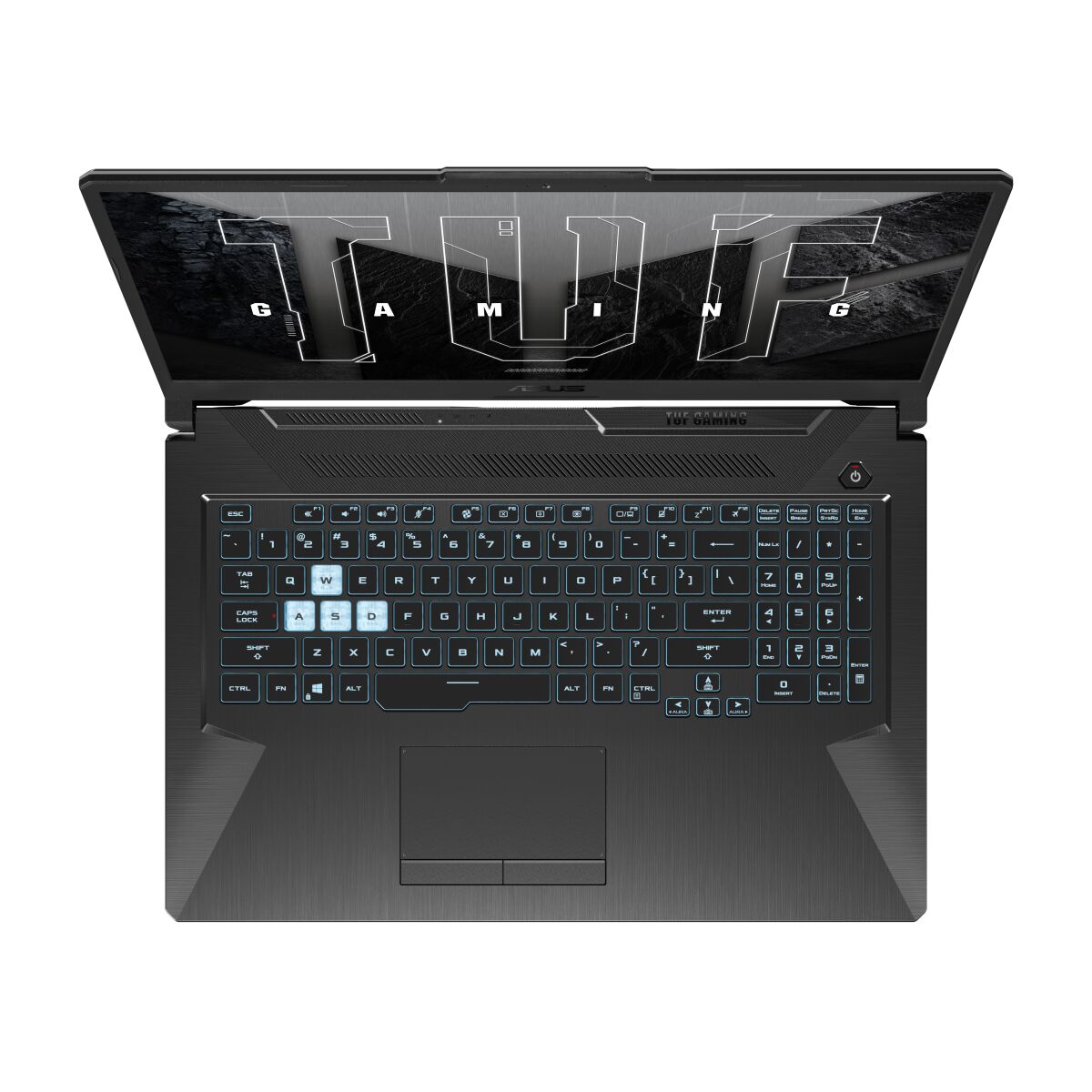


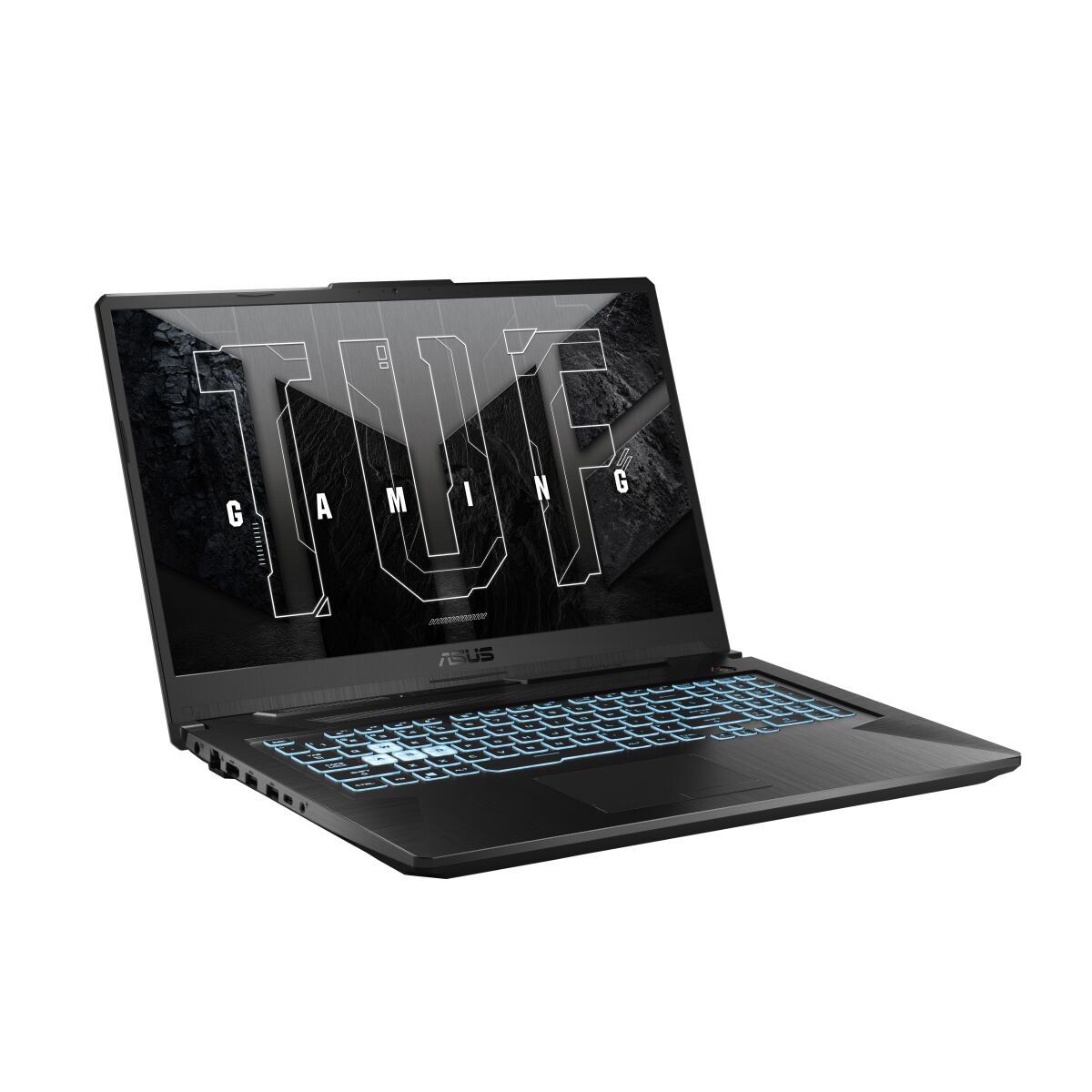
ASUS TUF Gaming F17 series model TUF706HC-HX010 supports DDR4-SDRAM memory upgrades via 2x SO-DIMM slots. The laptop accommodates a maximum RAM capacity of 32 GB total. Compatible memory operates at 3200 MHz frequency. Memory specifications enable users to upgrade RAM configurations within the established compatibility parameters for this gaming laptop model.
Memory Upgrade Specifications
| Specification | Value |
|---|---|
| Memory slots | 2x SO-DIMM |
| Form factor | SO-DIMM |
| Memory type | DDR4-SDRAM |
| Frequency | 3200 MHz |
| Maximum RAM | 32 GB |
| Voltage | 1.2V |
| Number of pins | 260-pin |
| Interface | PC4 |
| PC Speed Rating | PC4-3200 (PC4-25600) |
| Bandwidth | 25.6 GB/s |
| Laptop Release date | 25 February 2021 |
Additional Notes
- The ASUS TUF Gaming TUF706HC-HX010 utilizes SO-DIMM modules, which limits compatibility to laptop-specific memory rather than standard desktop DIMM configurations.
- The 32 GB maximum capacity constraint indicates chipset or motherboard architecture limitations that prevent recognition of higher-density modules beyond 16 GB per slot.
- Mixing memory modules with different speeds will force all installed RAM to operate at the lowest common frequency, potentially downclocking 3200 MHz modules if paired with slower memory.
- DDR4-3200 represents the JEDEC standard speed rating, but actual performance depends on whether XMP profiles are supported and enabled in BIOS settings.
- Both memory slots must remain accessible without full motherboard removal, as SO-DIMM installations in gaming laptops typically require only bottom panel access.
- Single-channel configuration with one occupied slot will halve memory bandwidth compared to dual-channel operation with matched pairs across both slots.
- Non-ECC unbuffered modules are required, as ECC or registered memory types remain incompatible with consumer-grade laptop chipsets in this configuration.
- CAS latency timings affect real-world responsiveness independently of the 3200 MHz speed rating, with tighter timings reducing memory access delays.
- Voltage requirements default to 1.2V for DDR4 specifications, while higher-voltage modules may trigger compatibility issues or require manual BIOS configuration.
- Thermal considerations become relevant at maximum capacity, as 32 GB configurations generate more heat than lower-density installations in confined laptop chassis.
- Warranty preservation requires avoiding physical damage to retention clips during installation, as broken clips void memory-related service coverage.
- Asymmetric configurations pairing different capacities across the 2 slots will operate in flex mode rather than optimal dual-channel mode for the mismatched portion.