ASUS TUF Gaming TUF706HC-HX110T RAM upgrade specifications
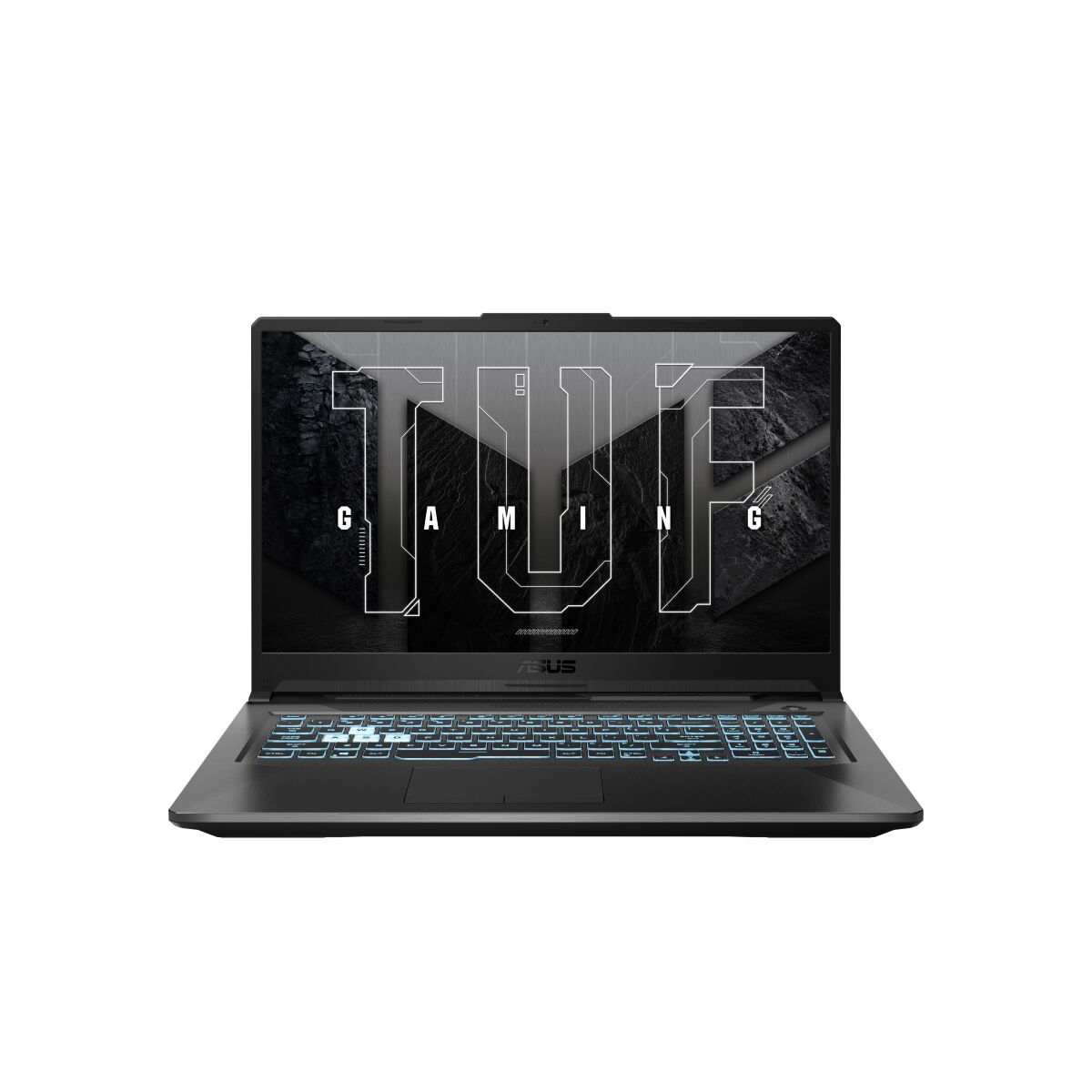
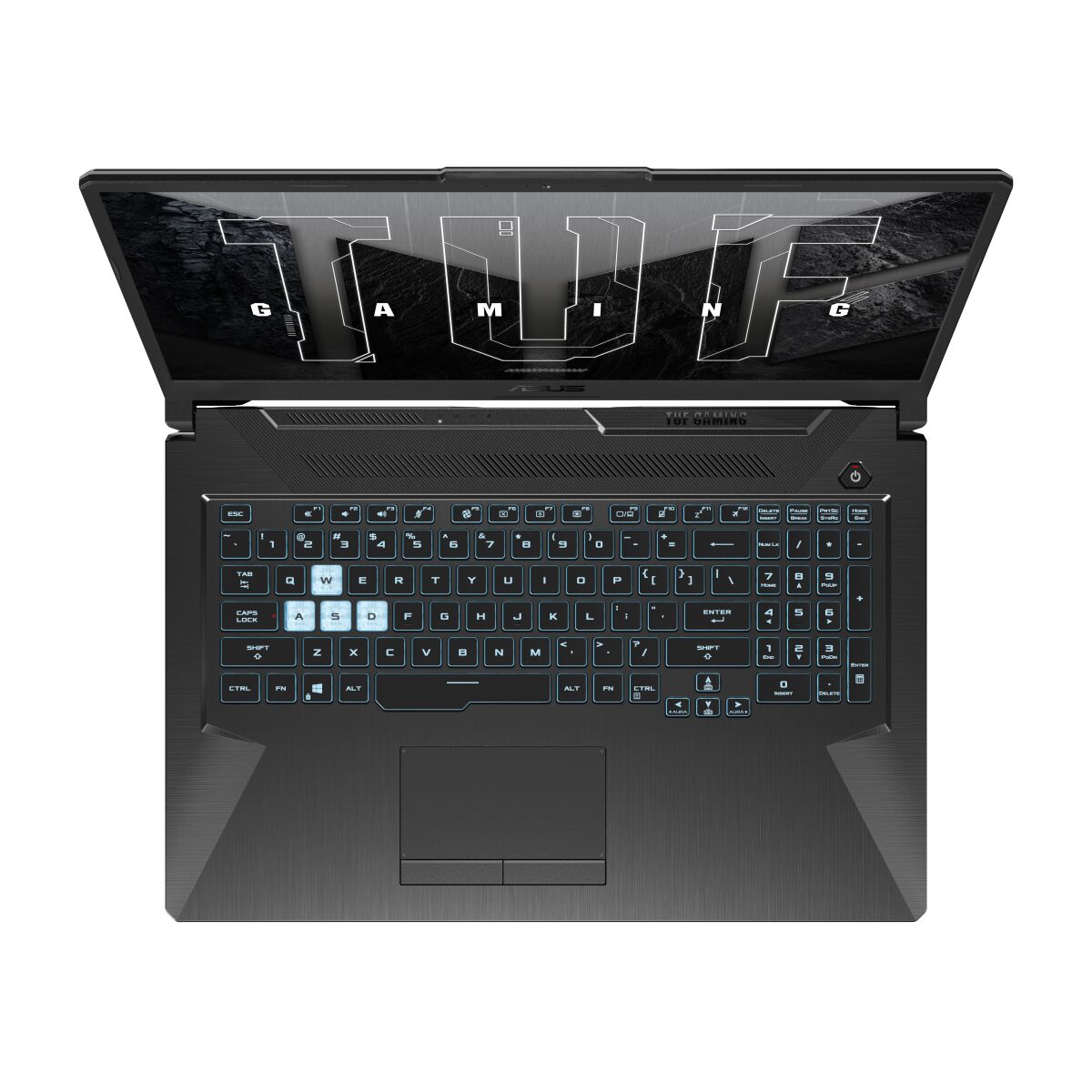



The ASUS TUF Gaming F17 series model TUF706HC-HX110T features DDR4-SDRAM memory specifications with 2x SO-DIMM slots supporting a maximum capacity of 32 GB. The RAM upgrade operates at 3200 MHz frequency. Compatible memory modules use the SO-DIMM form factor standard. The laptop's upgrade slots allow for expansion to the specified maximum capacity, with DDR4-SDRAM compatibility defining the available specifications for memory enhancements on this ASUS TUF Gaming configuration.
Memory Upgrade Specifications
| Specification | Value |
|---|---|
| Memory slots | 2x SO-DIMM |
| Form factor | SO-DIMM |
| Memory type | DDR4-SDRAM |
| Frequency | 3200 MHz |
| Maximum RAM | 32 GB |
| Voltage | 1.2V |
| Number of pins | 260-pin |
| Interface | PC4 |
| PC Speed Rating | PC4-3200 (PC4-25600) |
| Bandwidth | 25.6 GB/s |
| Laptop Release date | 25 April 2021 |
Additional Notes
- The ASUS TUF Gaming TUF706HC-HX110T memory controller enforces a 32 GB total capacity ceiling, meaning paired modules exceeding this limit will either fail to POST or force underclocking.
- DDR4-3200 operates on a 1.2V standard voltage rail, eliminating compatibility with DDR3L or DDR5 modules regardless of physical keying differences.
- Dual SO-DIMM slots require matched module capacities for symmetric dual-channel operation; mismatched pairs revert to single-channel mode or asymmetric flex configurations with reduced bandwidth.
- 3200 MHz represents the JEDEC or XMP maximum supported frequency, meaning modules rated at 3600 MHz or higher will downclock to this baseline without performance gain.
- SO-DIMM 260-pin physical standard precludes use of desktop UDIMM modules due to incompatible notch positioning and trace length specifications.
- Accessing memory slots typically requires bottom panel removal and potential warranty seal violation depending on regional service policies.
- Non-ECC unbuffered modules are implied by consumer gaming classification, rendering registered or ECC SO-DIMMs incompatible with the onboard memory controller.
- Rank configuration affects stability at maximum capacity; 2 dual-rank 16 GB modules may exhibit lower overclocking headroom compared to 4 hypothetical single-rank modules in a 4-slot configuration.
- CAS latency timing tolerances vary by module manufacturer, but the chipset will enforce JEDEC fallback timings if XMP profiles fail validation during POST.
- Thermal constraints in gaming laptops mean high-density 32 GB configurations may throttle under sustained memory-intensive workloads compared to lower-capacity installations with improved airflow.