ASUS TUF Gaming TUF707VV-HX217X RAM upgrade specifications
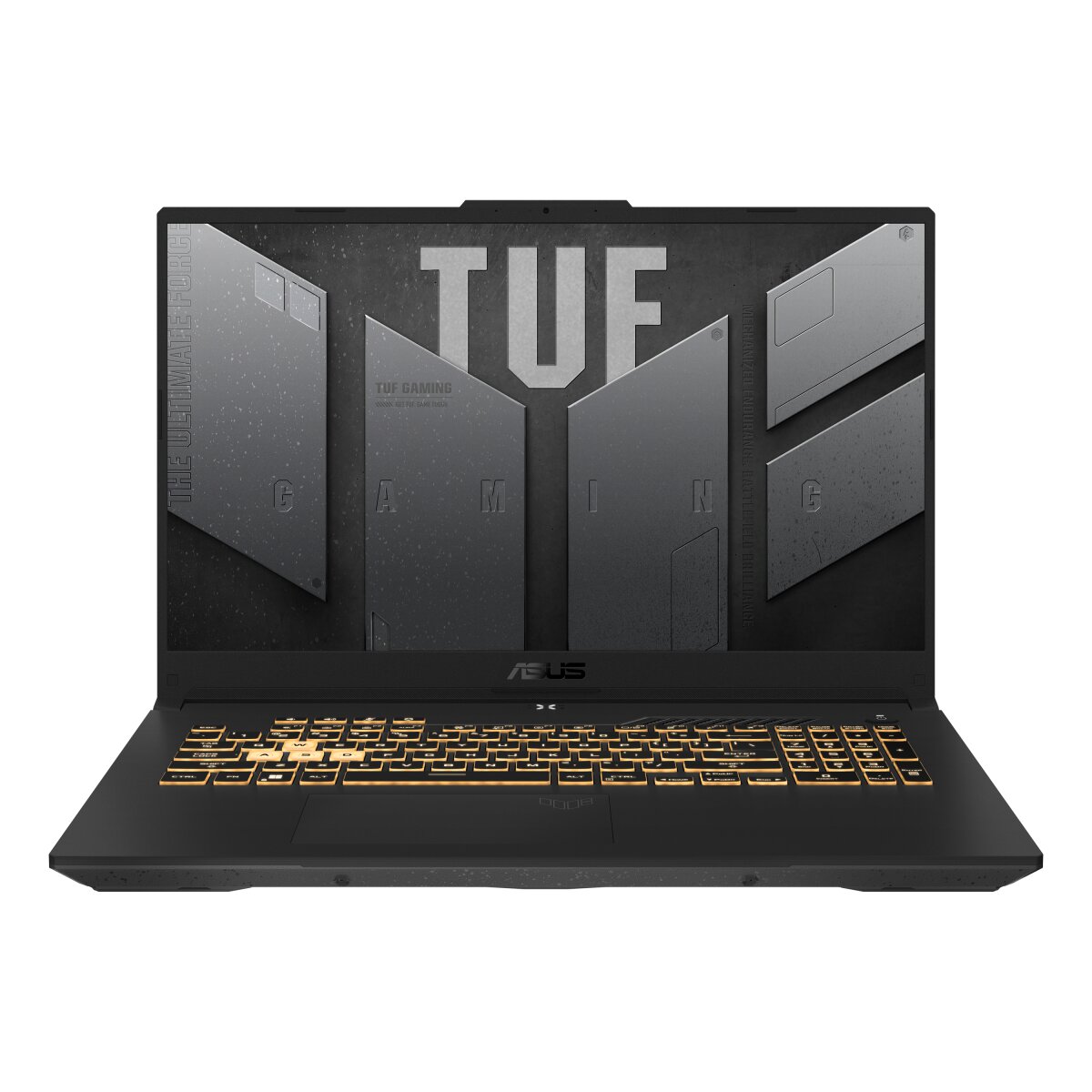
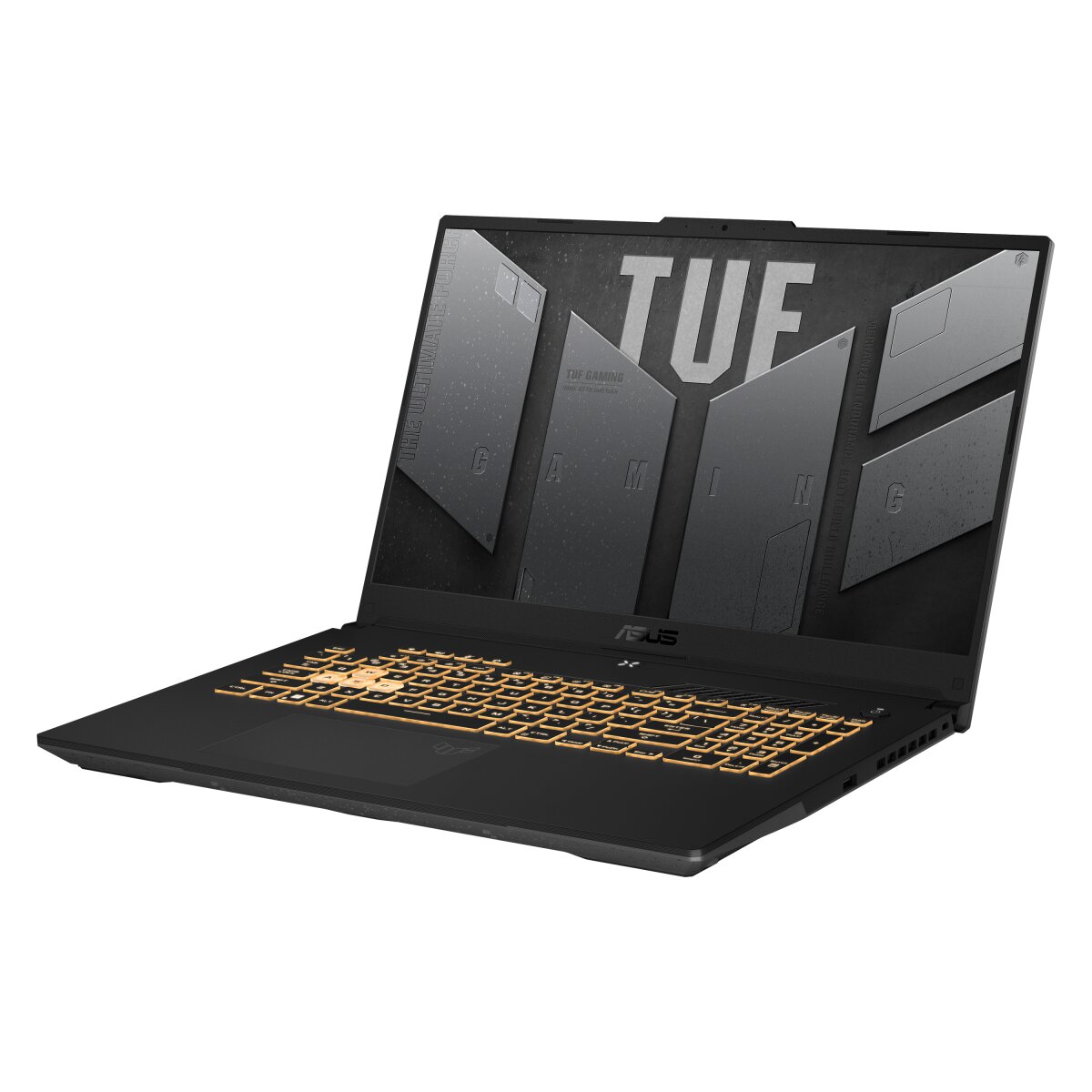
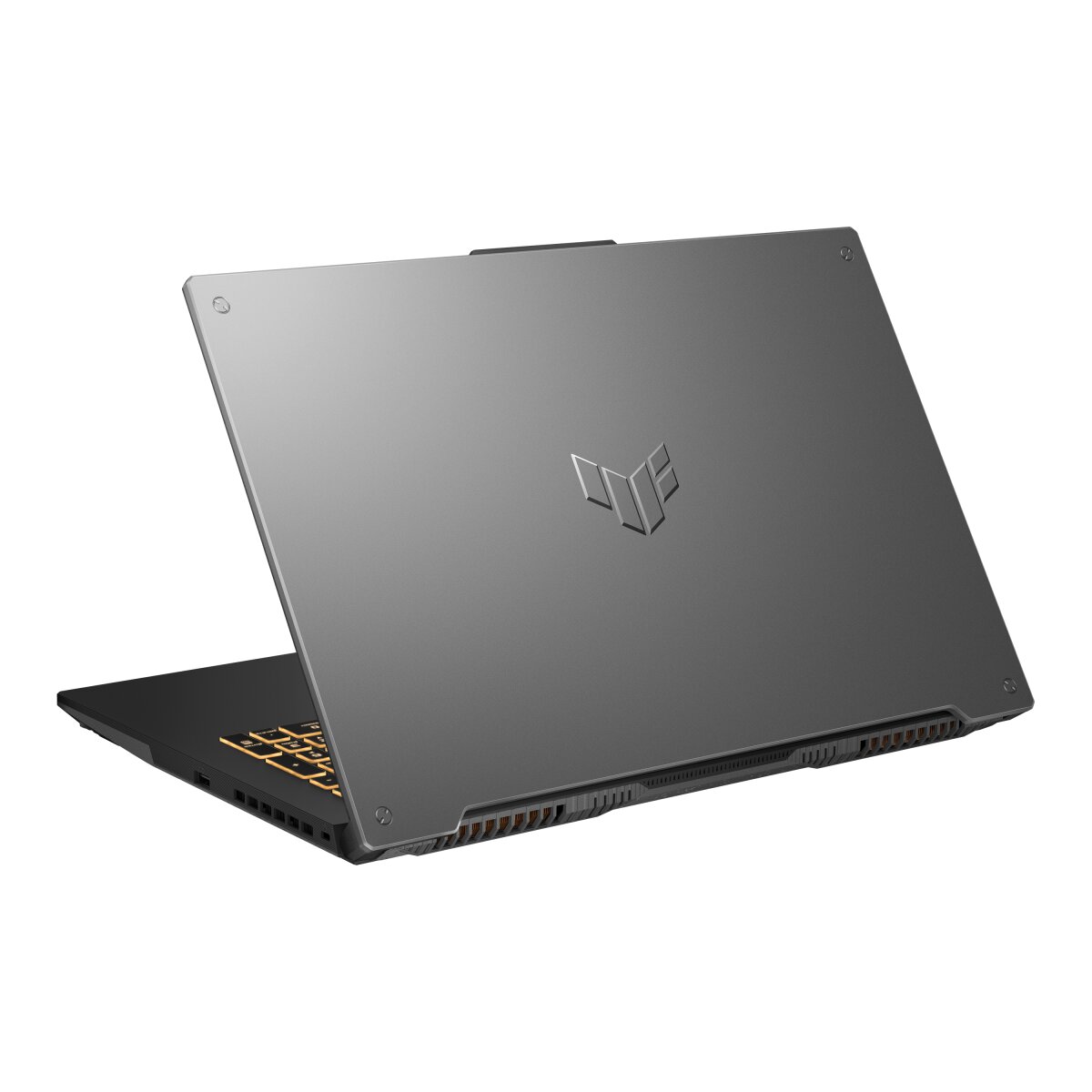
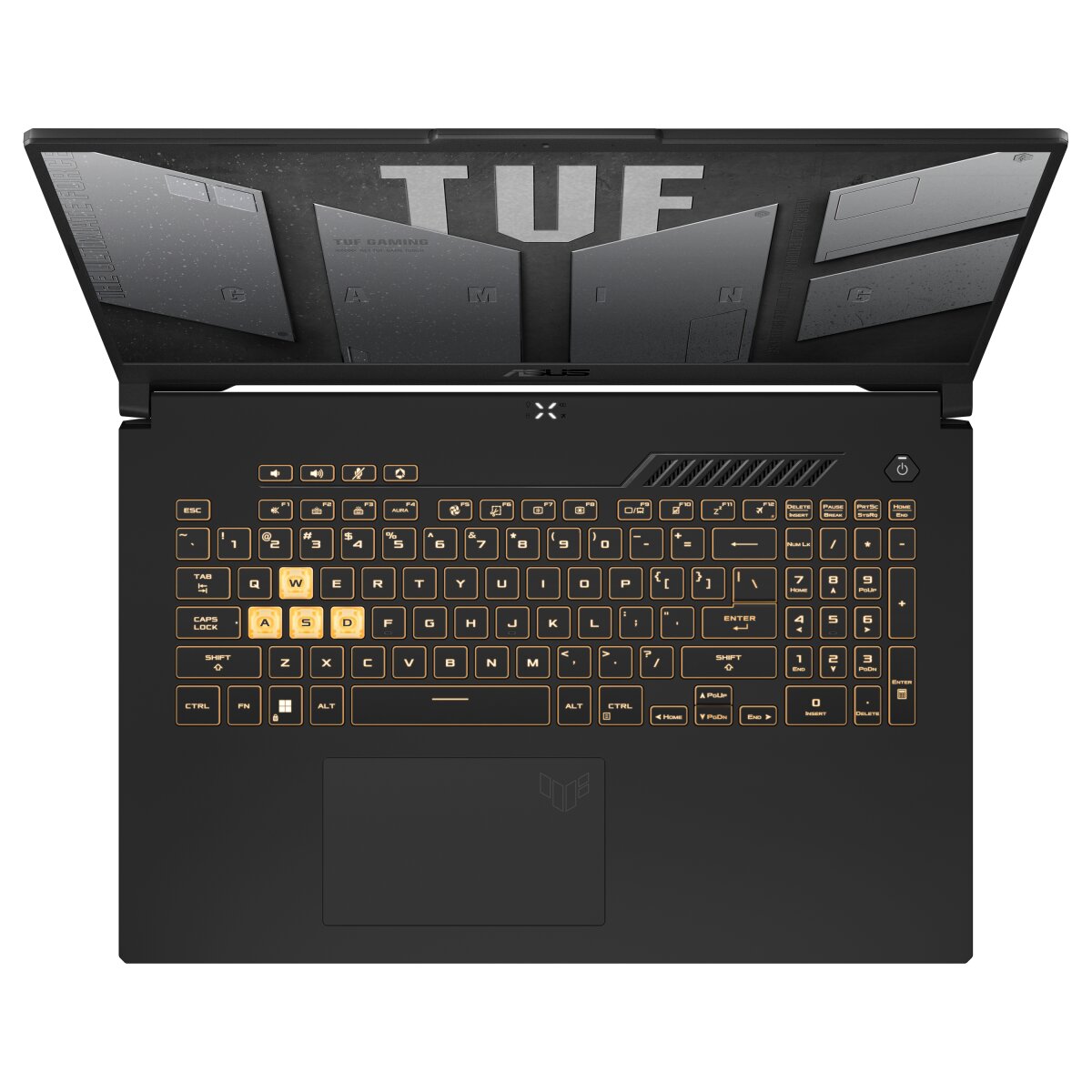
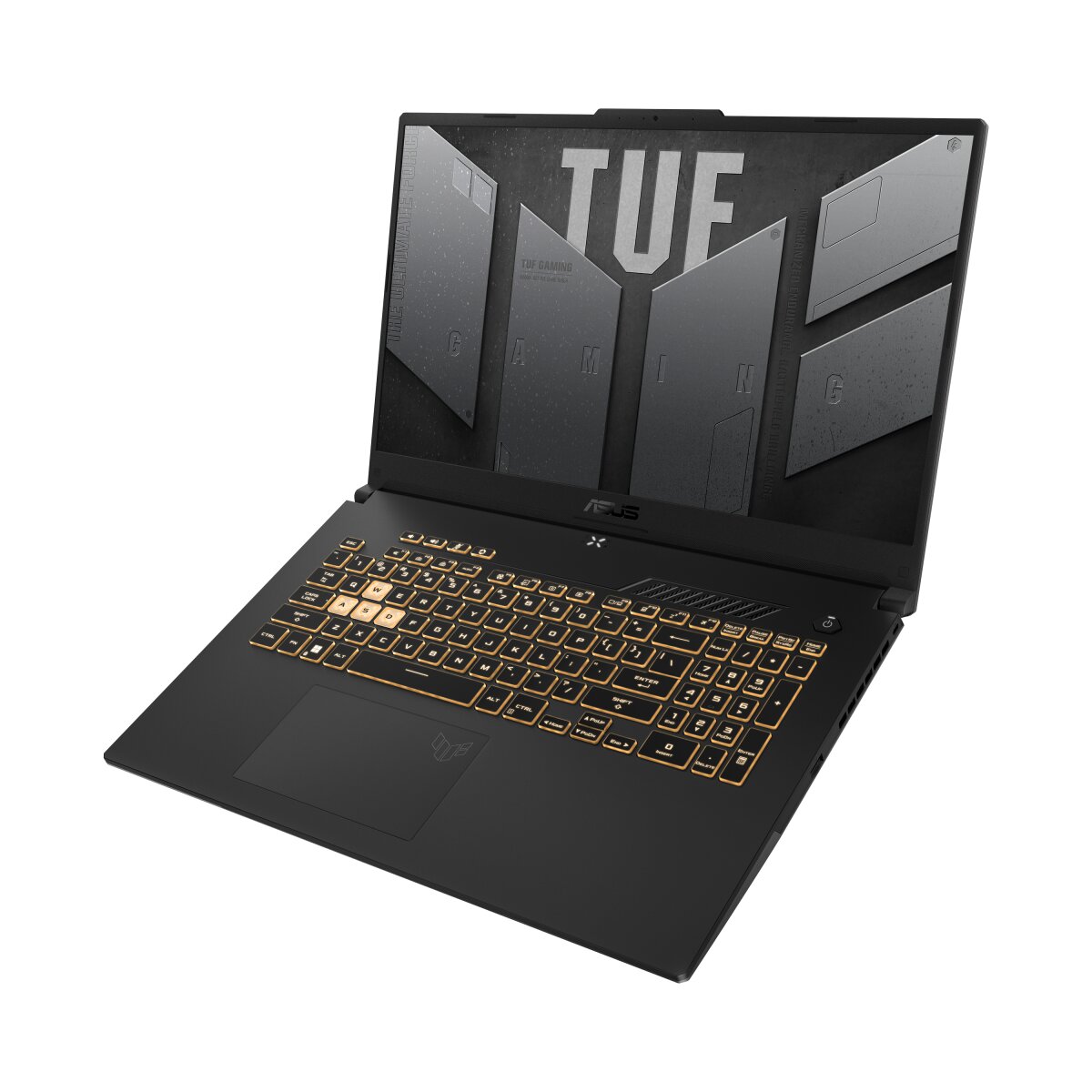
ASUS TUF Gaming F17 series model TUF707VV-HX217X features DDR5-SDRAM memory upgrade capacity. The laptop contains 2x SO-DIMM slots supporting maximum RAM of 32 GB. Compatible memory operates at 4800 MHz frequency. Memory specifications indicate SO-DIMM form factor modules required for upgrade compatibility. This configuration allows for dual-channel memory expansion within the TUF Gaming F17 series specifications.
Memory Upgrade Specifications
| Specification | Value |
|---|---|
| Memory slots | 2x SO-DIMM |
| Form factor | SO-DIMM |
| Memory type | DDR5-SDRAM |
| Frequency | 4800 MHz |
| Maximum RAM | 32 GB |
| Voltage | 1.1V |
| Number of pins | 262-pin |
| Interface | PC5 |
| PC Speed Rating | PC5-4800 (PC5-38400) |
| Bandwidth | 38.4 GB/s |
Additional Notes
- The 2 SO-DIMM slot configuration on the ASUS TUF Gaming TUF707VV-HX217X requires both slots to populate symmetrically for dual-channel operation. Installing a single module will default to single-channel mode, halving memory bandwidth and degrading gaming and workload performance relative to dual-module setups.
- DDR5-4800 modules are the validated specification, but the slot controller may accept higher-frequency DDR5 modules. However, BIOS will downclock non-validated speeds to 4800 MHz, making premium-tier DDR5-6000 or DDR5-7200 modules provide no performance benefit without vendor BIOS updates that explicitly enable overclocking profiles.
- The 32 GB ceiling represents a hard limit imposed by the processor's memory controller addressing scheme. Modules exceeding this aggregate capacity (such as 2x24GB configurations) will not initialize, making upgrading to 64GB capacity impossible on this platform.
- SO-DIMM form factor compatibility means standard UDIMM (desktop) DDR5 modules cannot be installed. Purchasing incorrect form factors results in complete incompatibility and no partial workarounds exist.
- Latency between L3 cache and memory will increase proportionally if upgrading from lower-capacity to higher-capacity modules of identical speed, as die density affects access times independent of rated frequency. This creates a minor performance trade-off when scaling beyond 24GB configurations.
- The 5V SO-DIMM standard for DDR5 allows module replacement without motherboard firmware modifications. Warranty retention does not require vendor approval for RAM swaps, provided modules meet DDR5 JEDEC specifications and frequency does not exceed rated maximums through BIOS settings.